Pacific Islands
Upstream in the Pacific: Inside N4H Scoping workshop
Representatives from 12 Pacific Island countries and territories spent two days in Nadi tracing the connections between land, food systems and health, and deciding where prevention should begin.
Across the Pacific, reefs, forests and food systems are the foundation of daily life: nutrition, fresh water, livelihoods and cultural continuity. When those systems come under pressure, health risks follow. The Nature4Health (N4H) Pacific scoping workshop set out to answer a practical question: where, exactly, do those pressures begin, and what would it take to act there rather than waiting for the emergency downstream
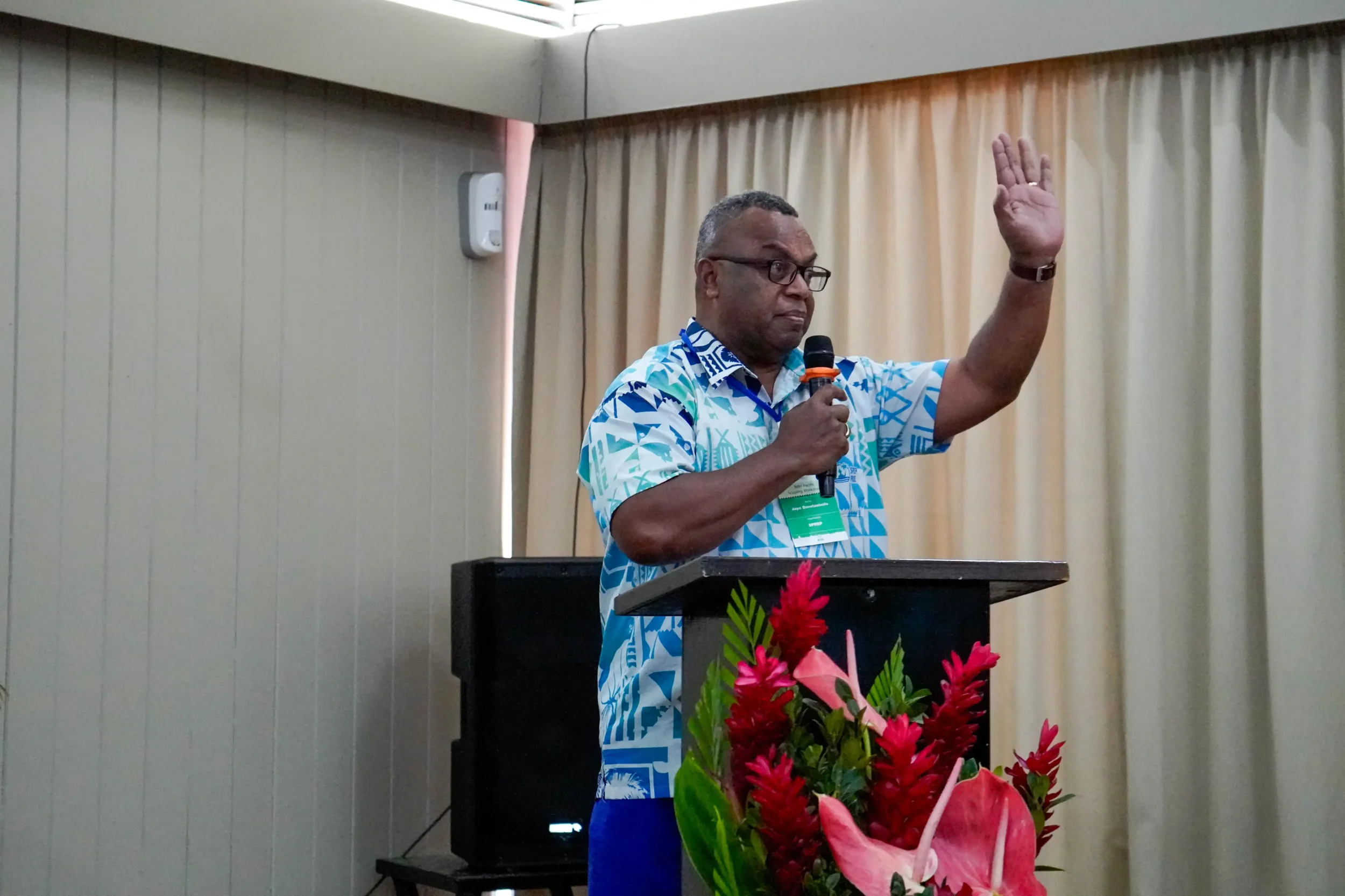
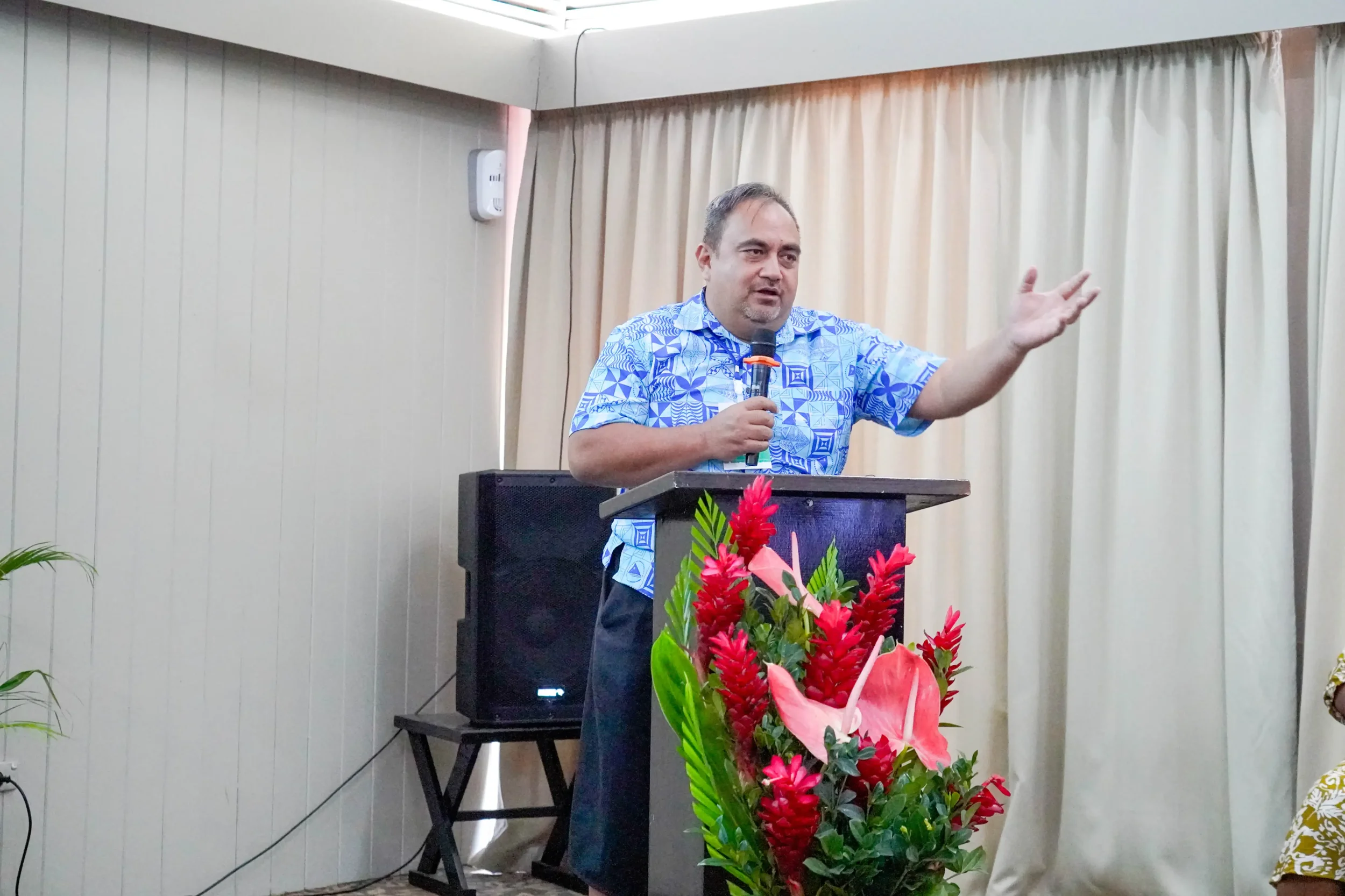
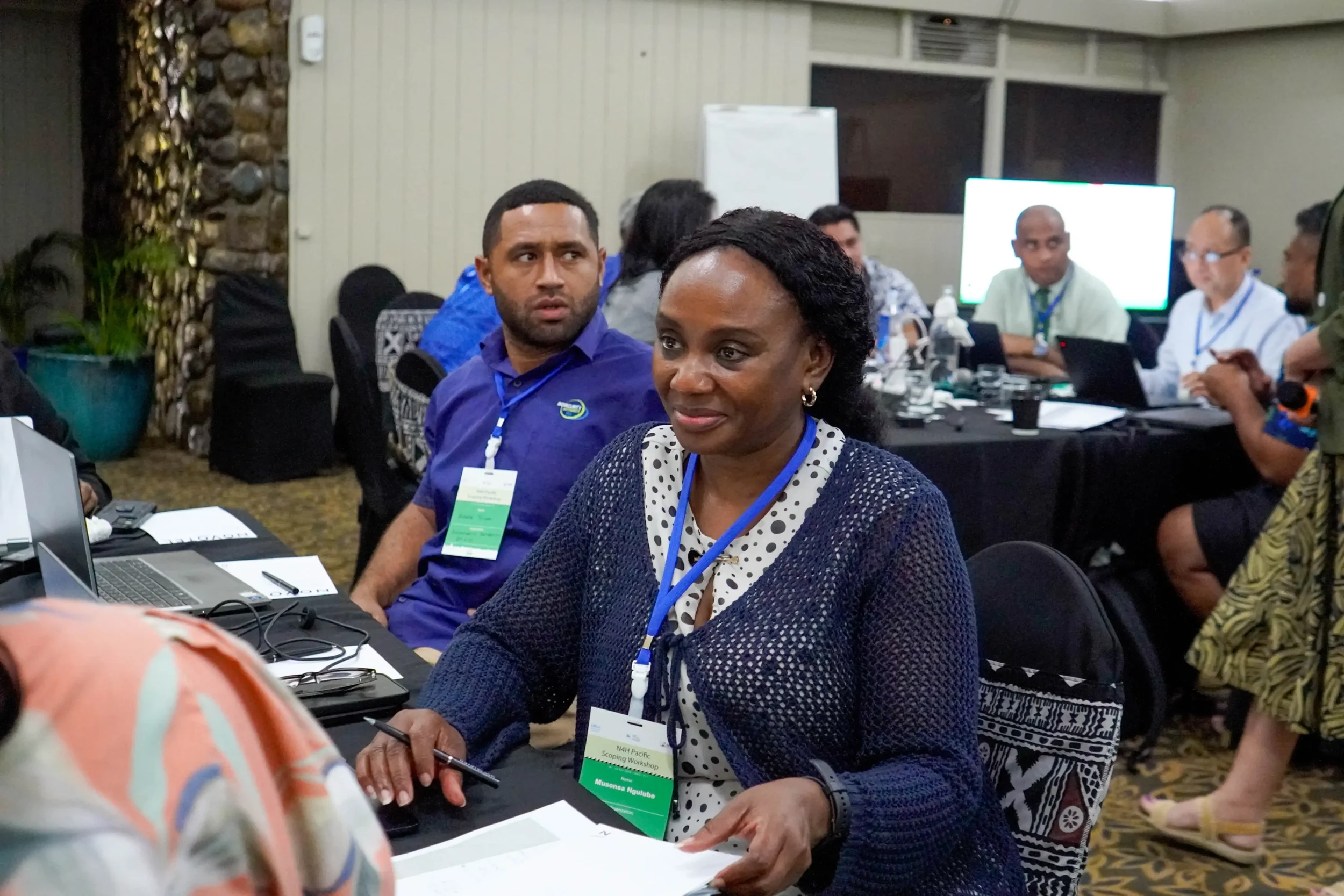
Held at Nadi, Fiji on 28–29 September 2026 and organised by the Secretariat of the Pacific Regional Environment Programme (SPREP), the Pacific Community (SPC) and the UN Environment Programme (UNEP), the workshop brought together around 54 participants in person, with representation from 12 Pacific Island countries and territories balanced across all three subregions: Fiji, New Caledonia, Solomon Islands and Vanuatu from Melanesia; Kiribati, Nauru, Palau and the Republic of the Marshall Islands from Micronesia; and the Cook Islands, Samoa, Tonga and Tuvalu from Polynesia. Further participants joined the plenary sessions online from across the wider Asia-Pacific region.
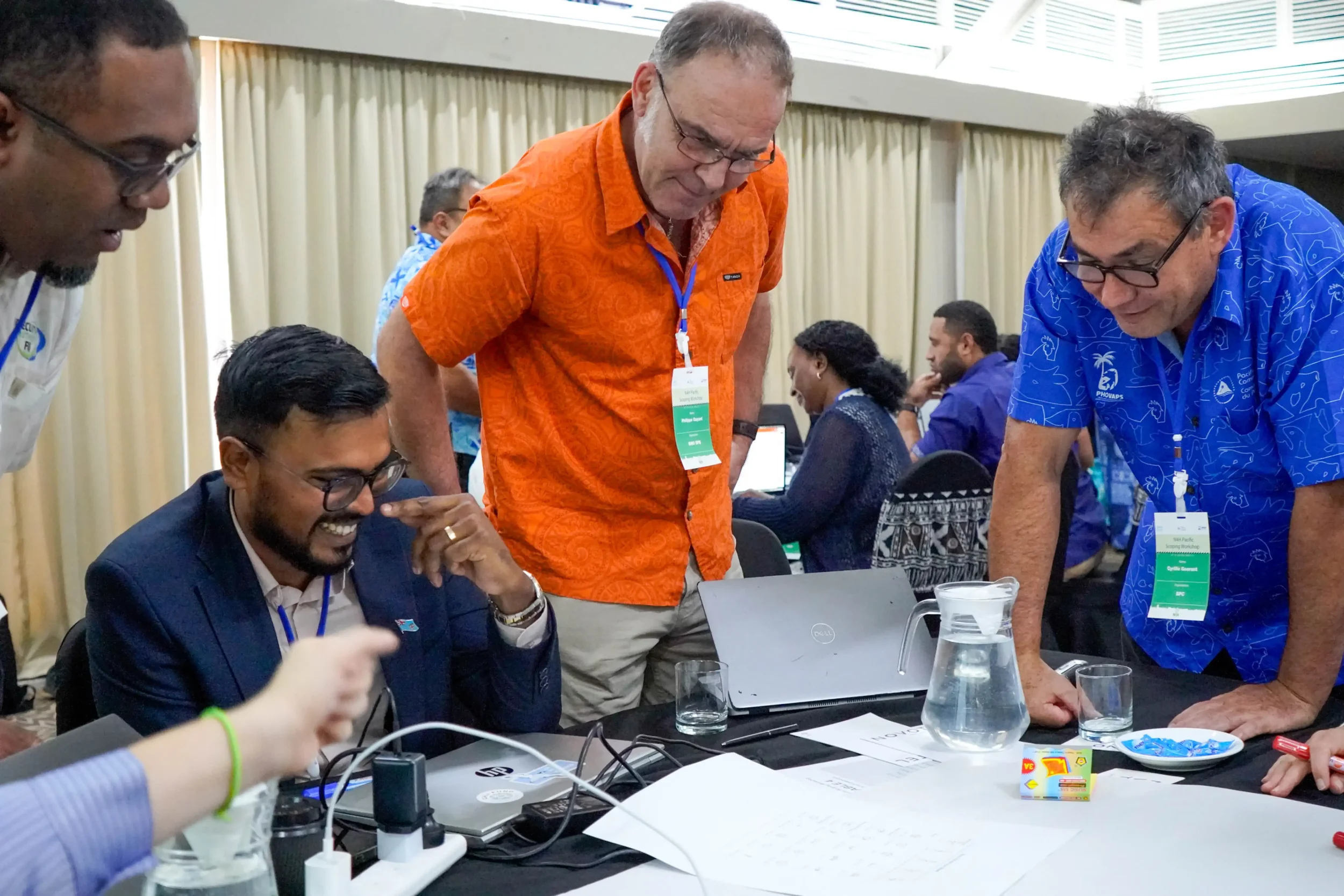
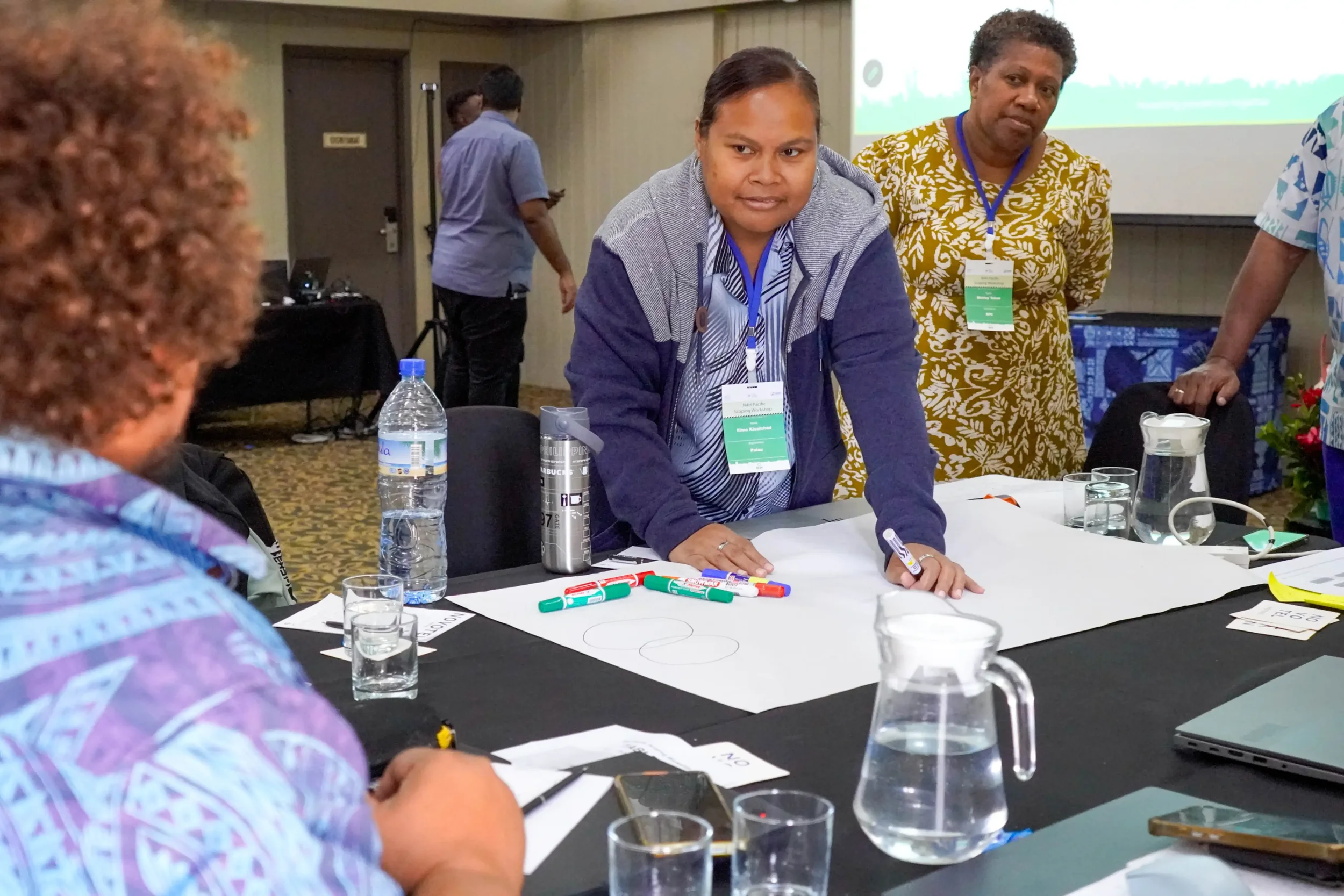
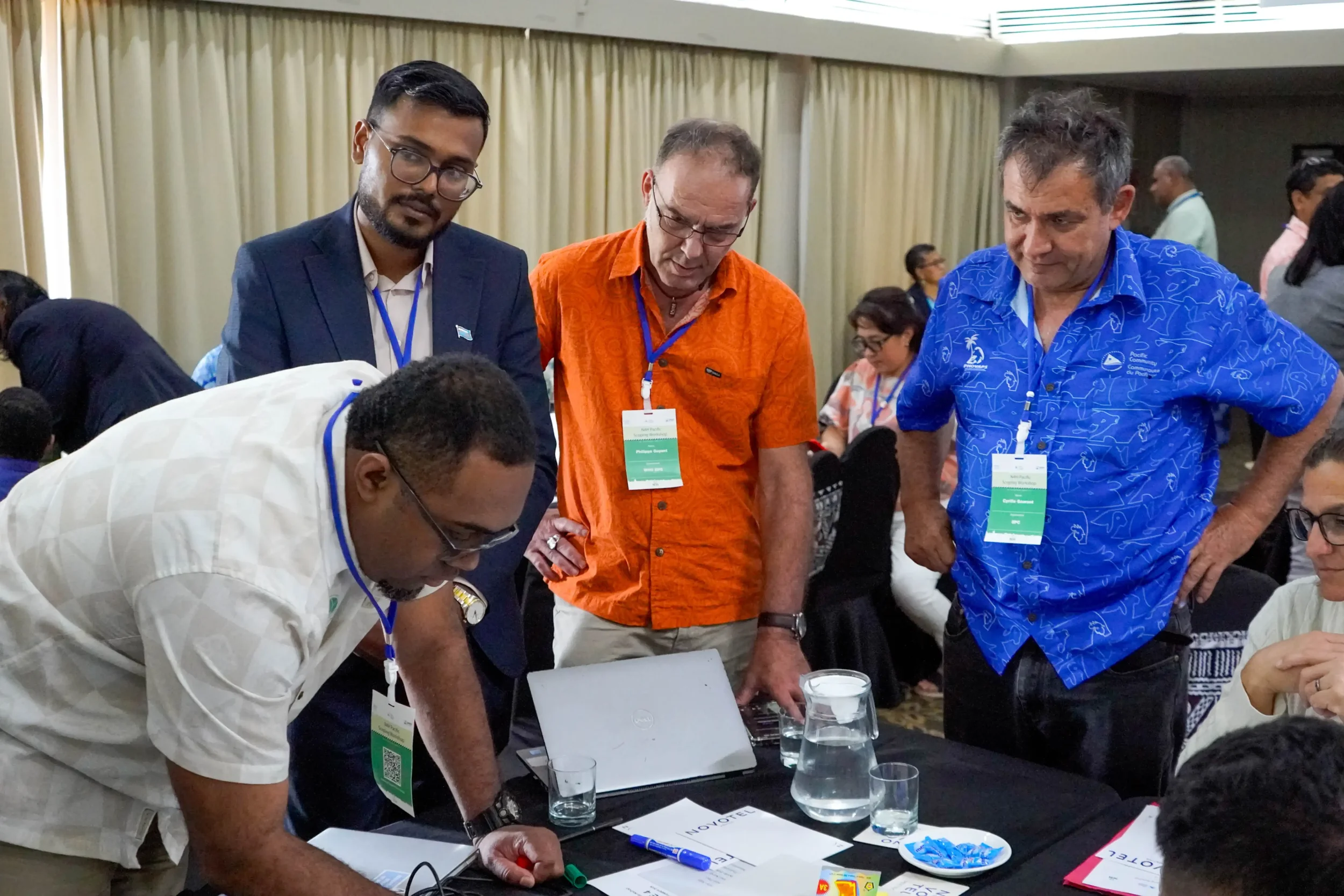
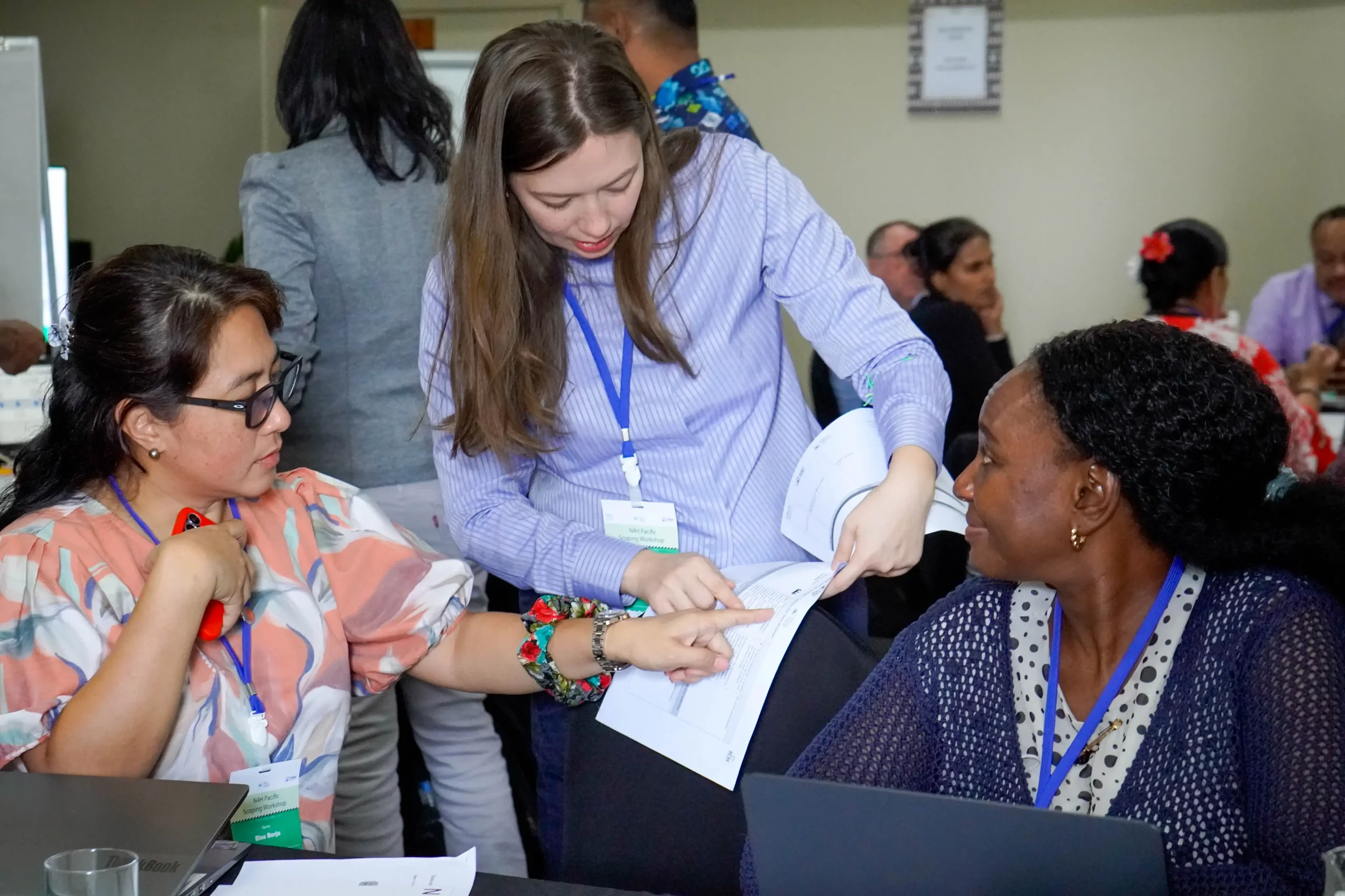
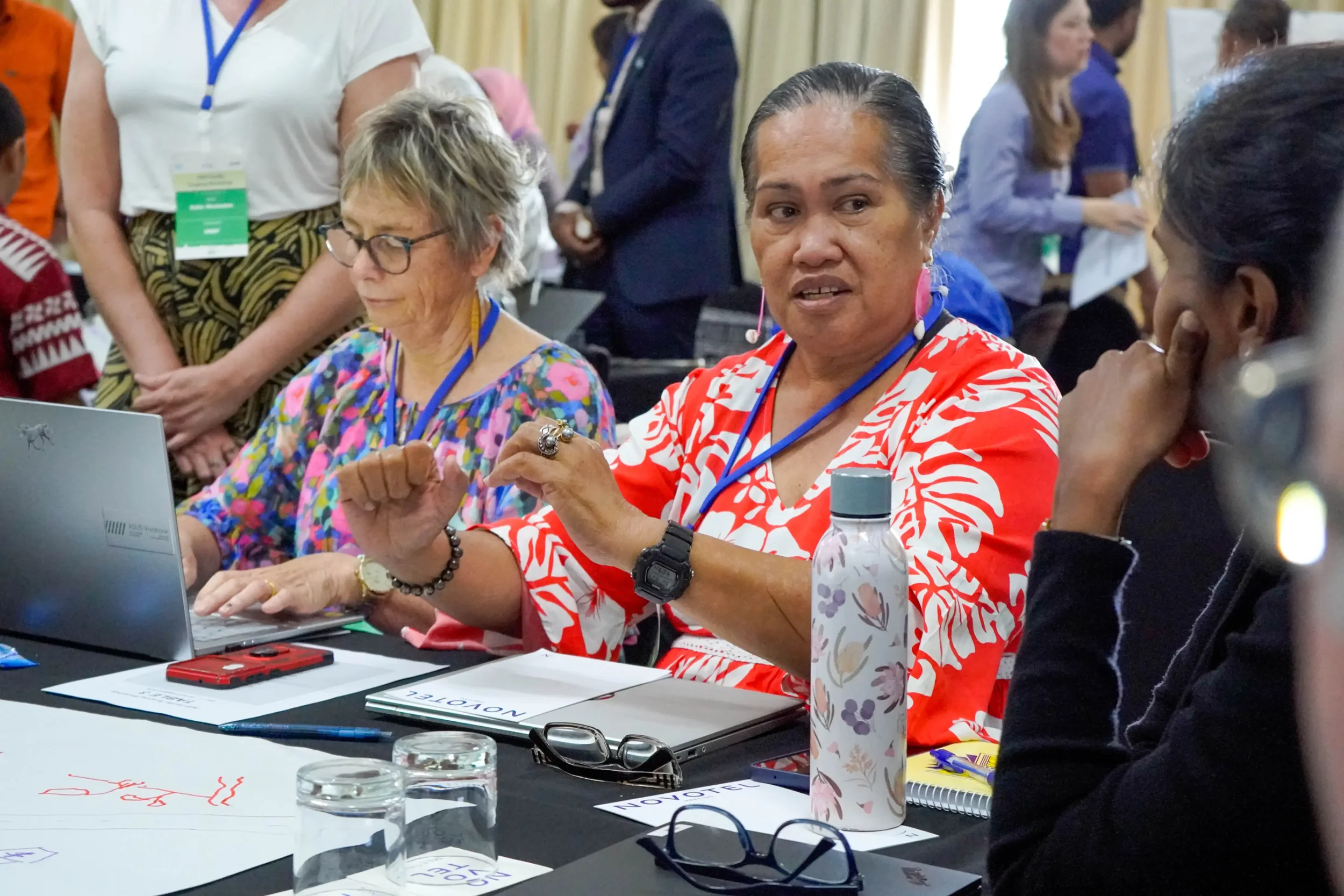
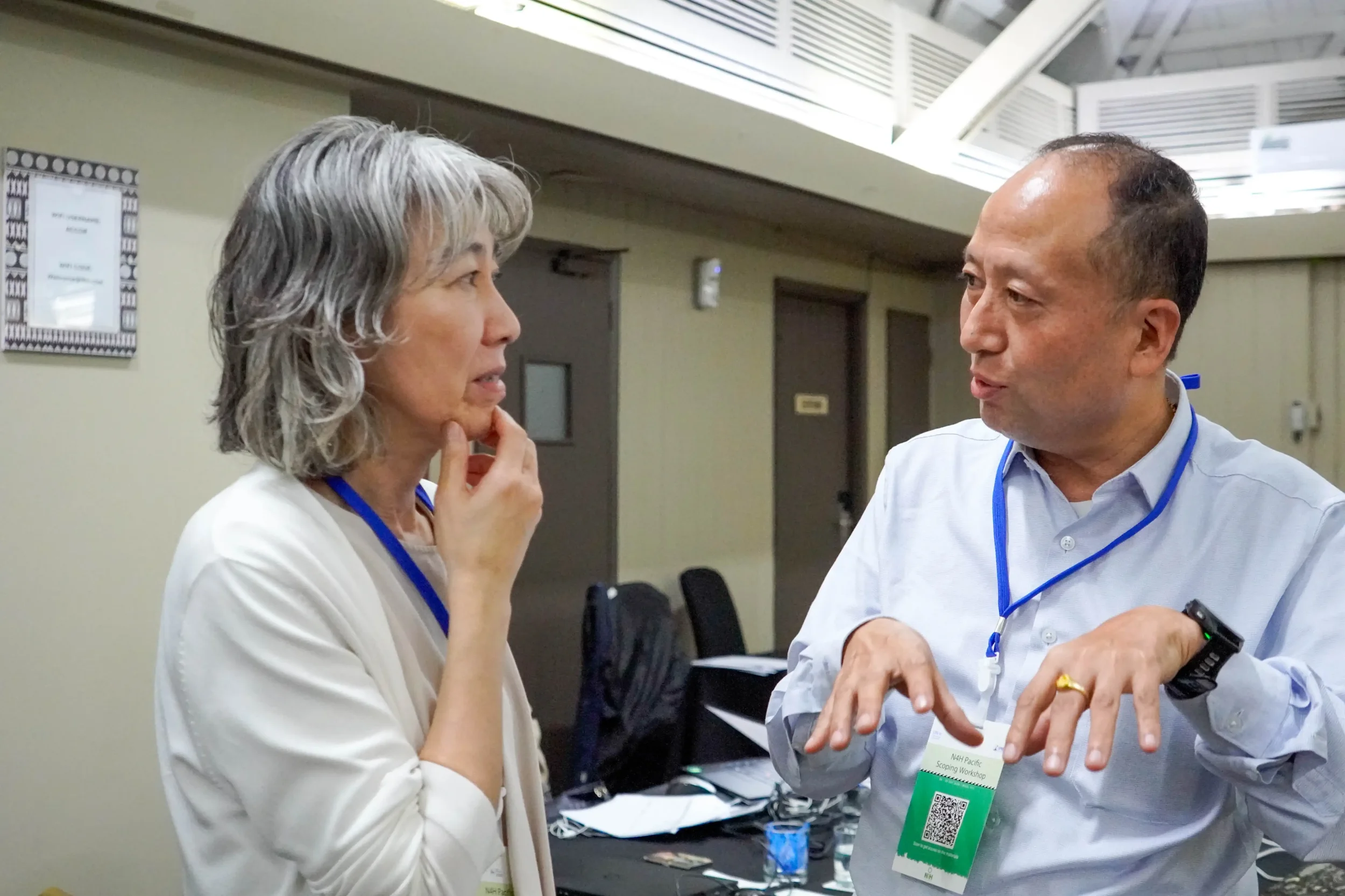
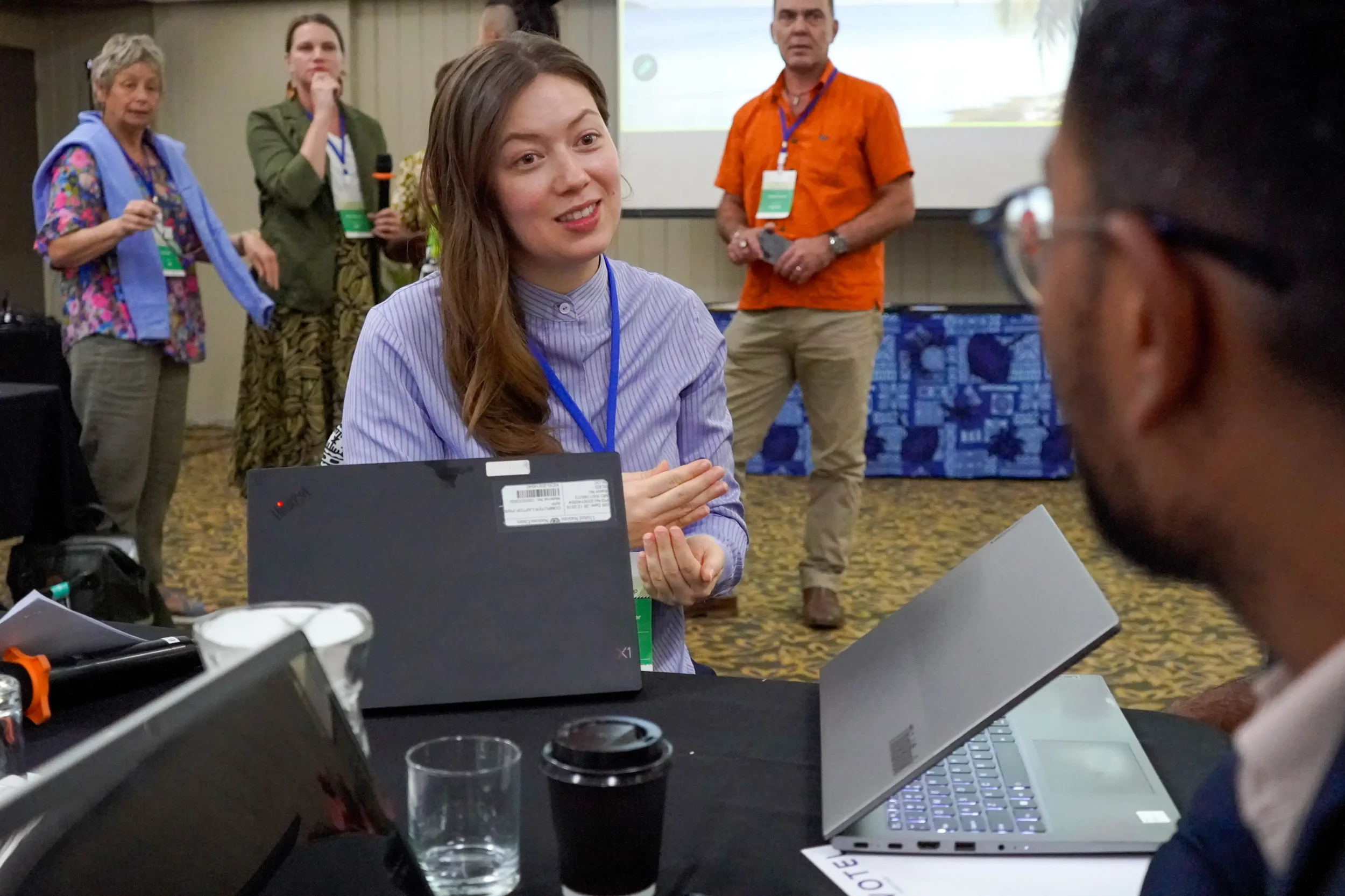
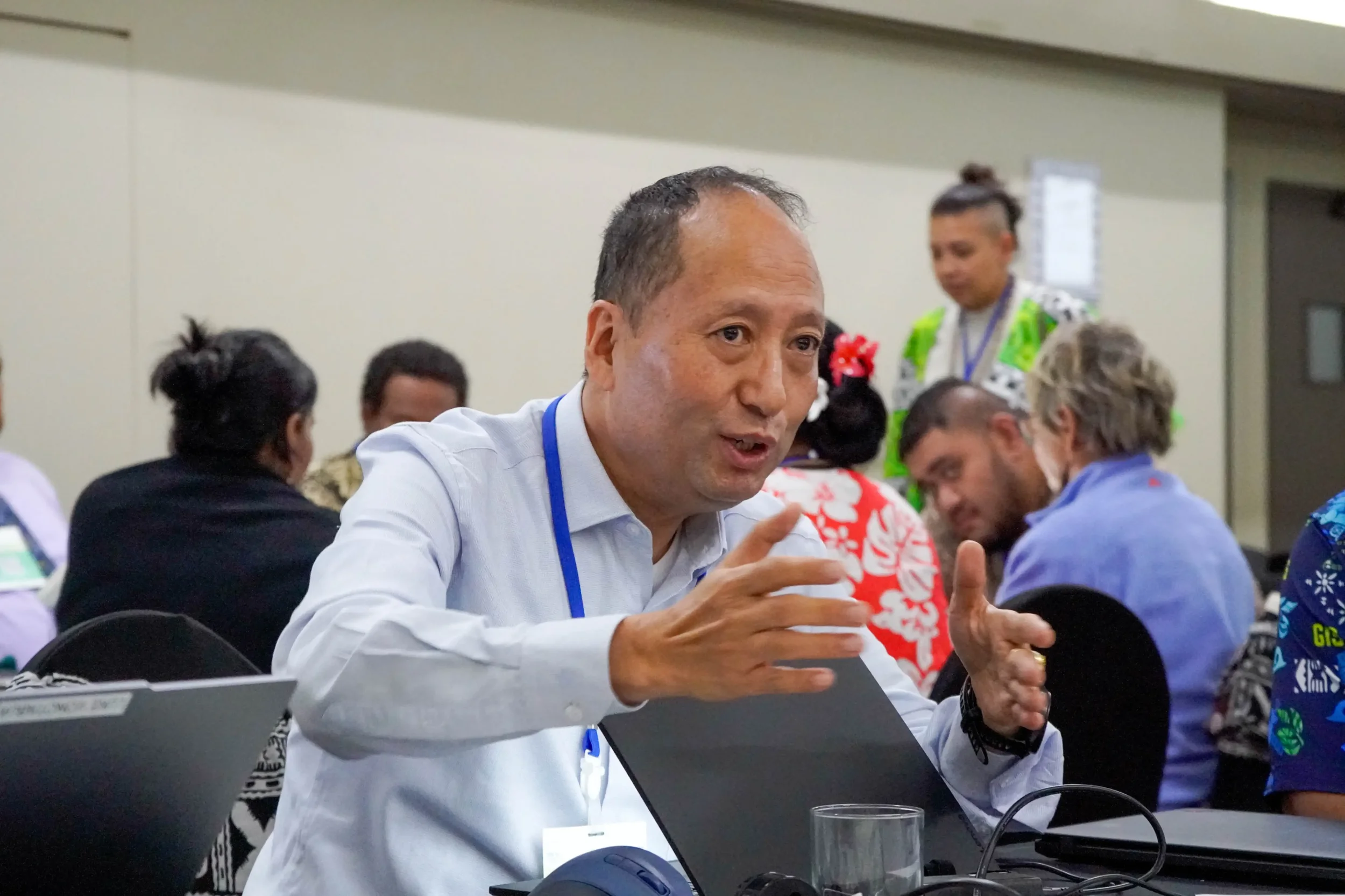
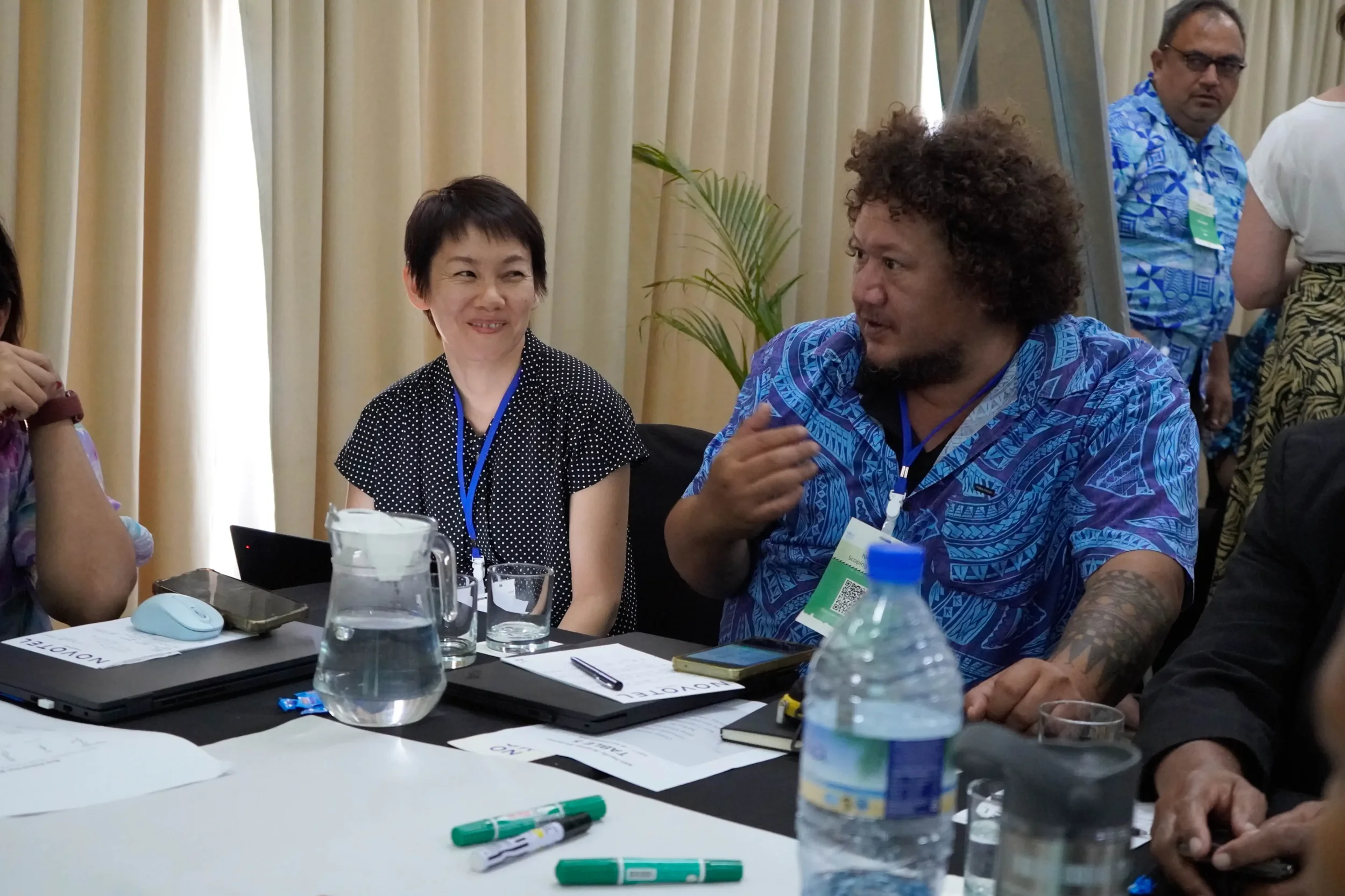
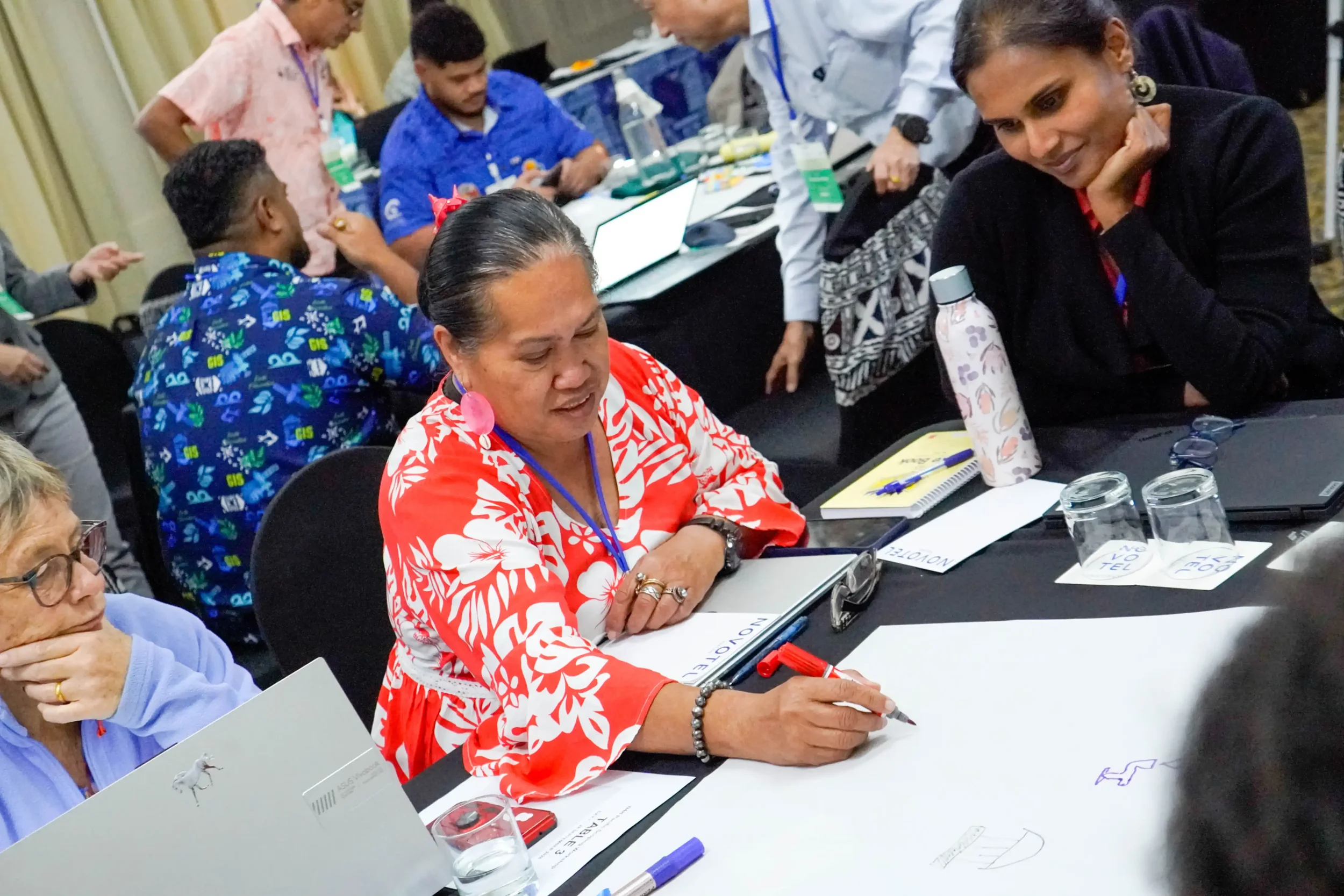
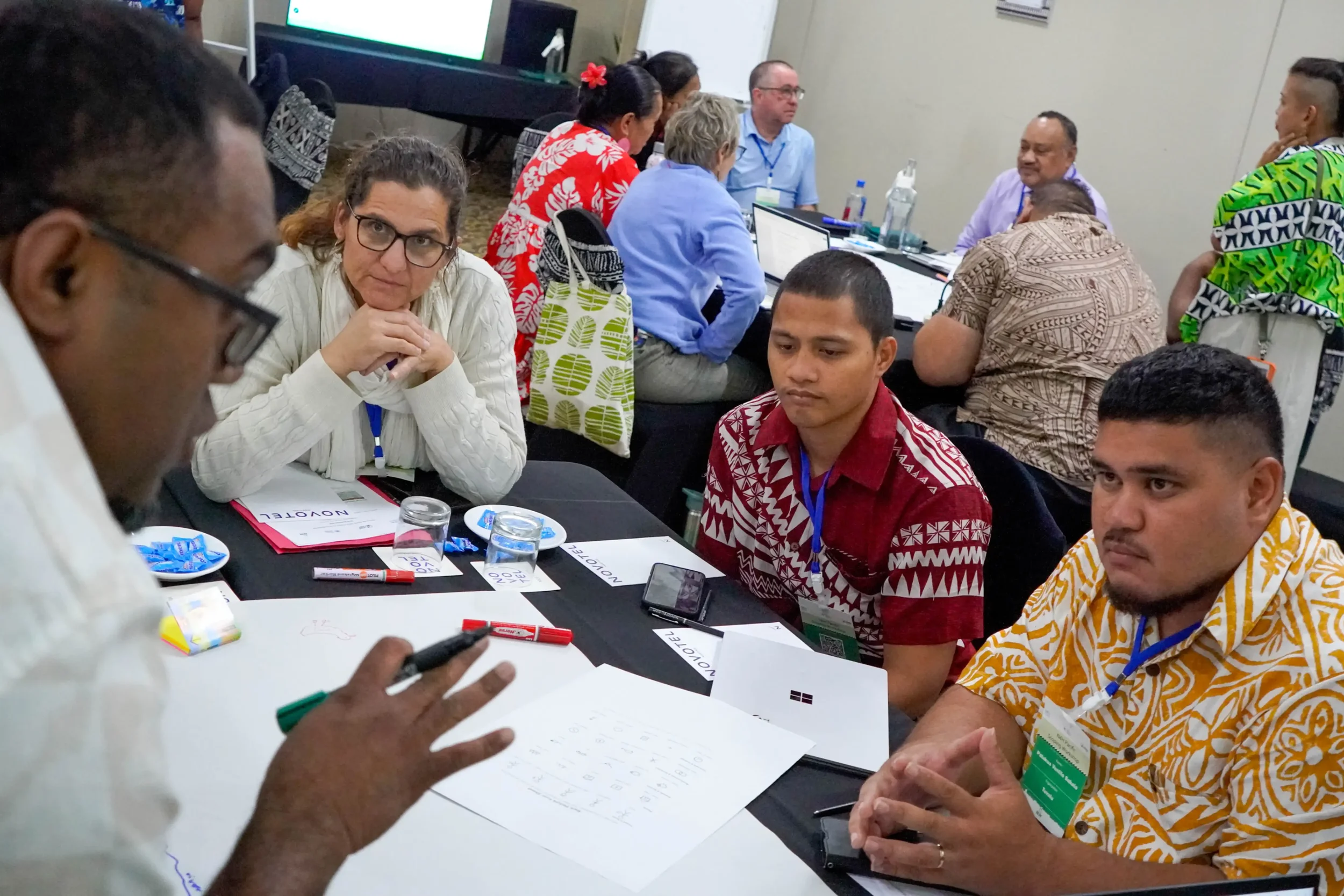
Rather than presentations, the two days focused on participatory systems-thinking exercises. Working in mixed groups, participants examined how environmental change, biodiversity loss, food systems, land-use practices and other underlying drivers shape the health of people, animals and ecosystems, mapping the connections between them across Pacific landscapes and communities. The exercises identified the stakeholders who influence those drivers and the competing priorities that make action difficult in practice.
Out of that mapping came the workshop’s central discussion: what it would take to move beyond responding to health emergencies and towards upstream prevention, acting on the pressures that generate health risks, before diseases emerge or spill over.
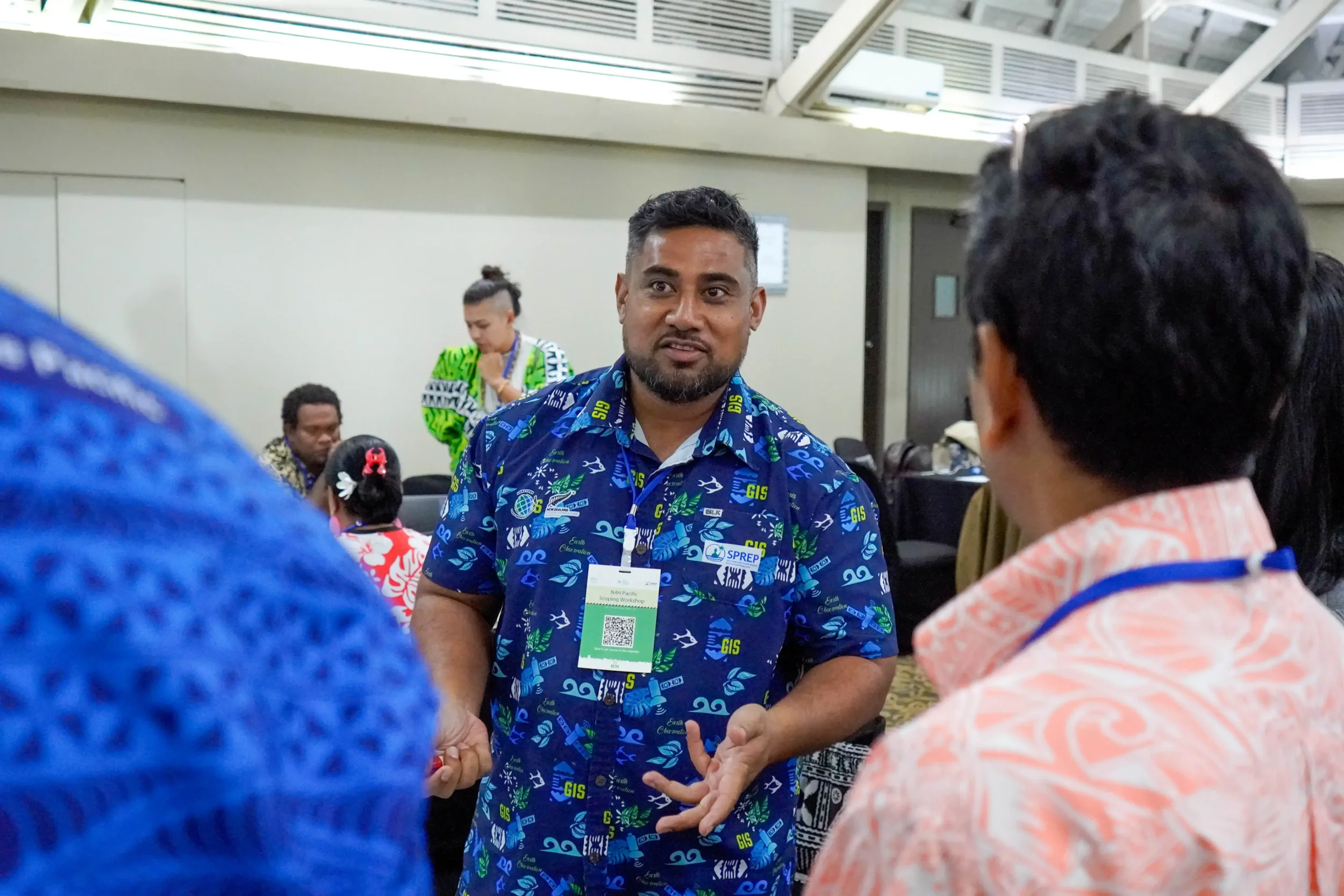
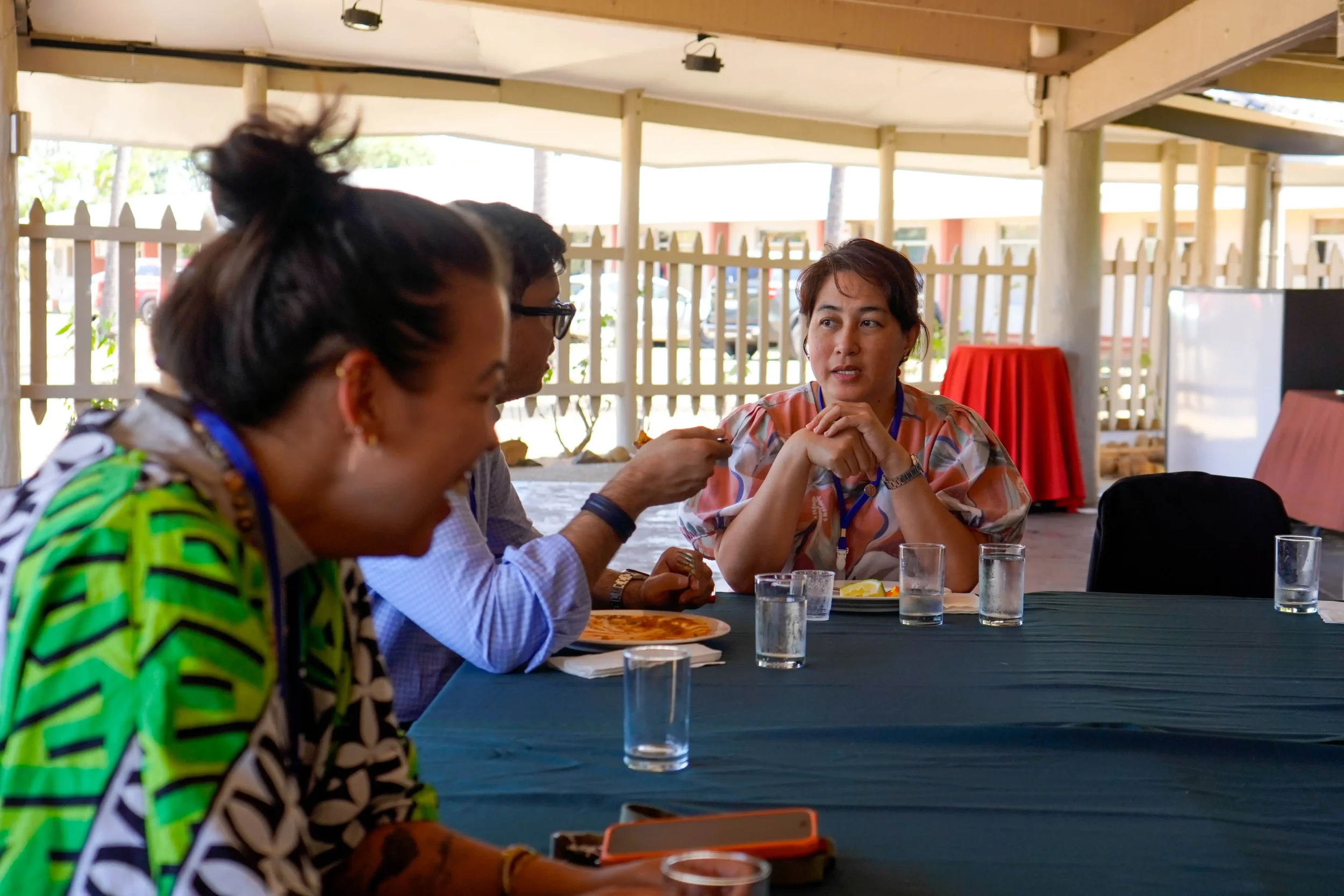
Just as importantly, the two days brought government representatives, regional organisations, local stakeholders and partners together in the same room, working on the same map. That exchange across sectors and borders is itself part of the method: upstream prevention cuts across environmental, health and agricultural mandates and cannot be delivered by any one of them alone.
The workshop lays the groundwork for the next phase of the N4H Pacific scoping process, which will culminate in an Implementation Project Document that sets out priorities, activities, governance and resourcing for a regional implementation phase.
The N4H Pacific scoping process is co-led by SPREP and SPC, with UNEP as a convening partner. It is supported by Nature4Health partners and by the German Federal Ministry for the Environment, Nature Conservation, Nuclear Safety and Consumer Protection through the International Climate Initiative (IKI).