KENYA
Nature4Health on home ground: Kenya opens its scoping phase
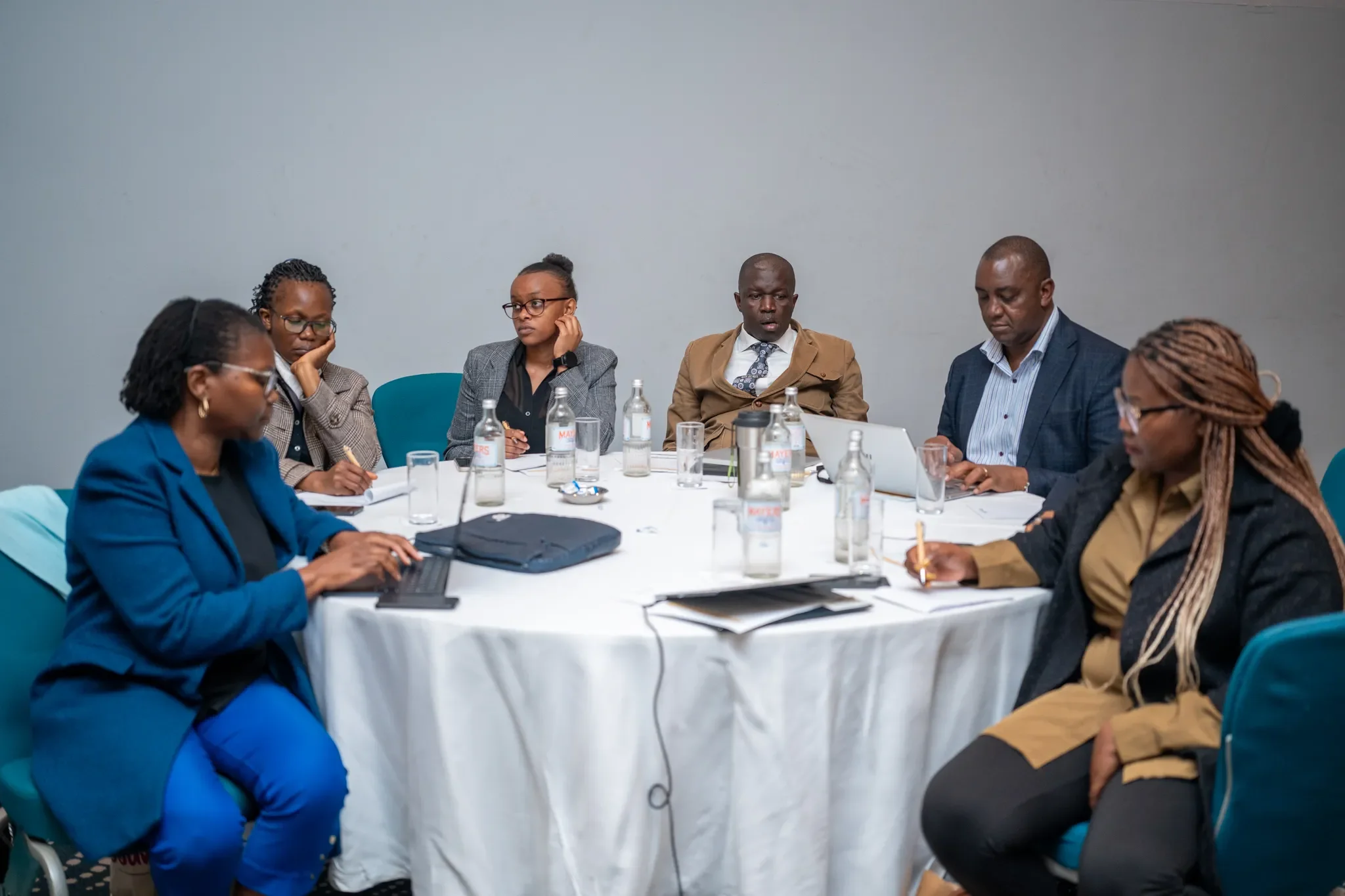
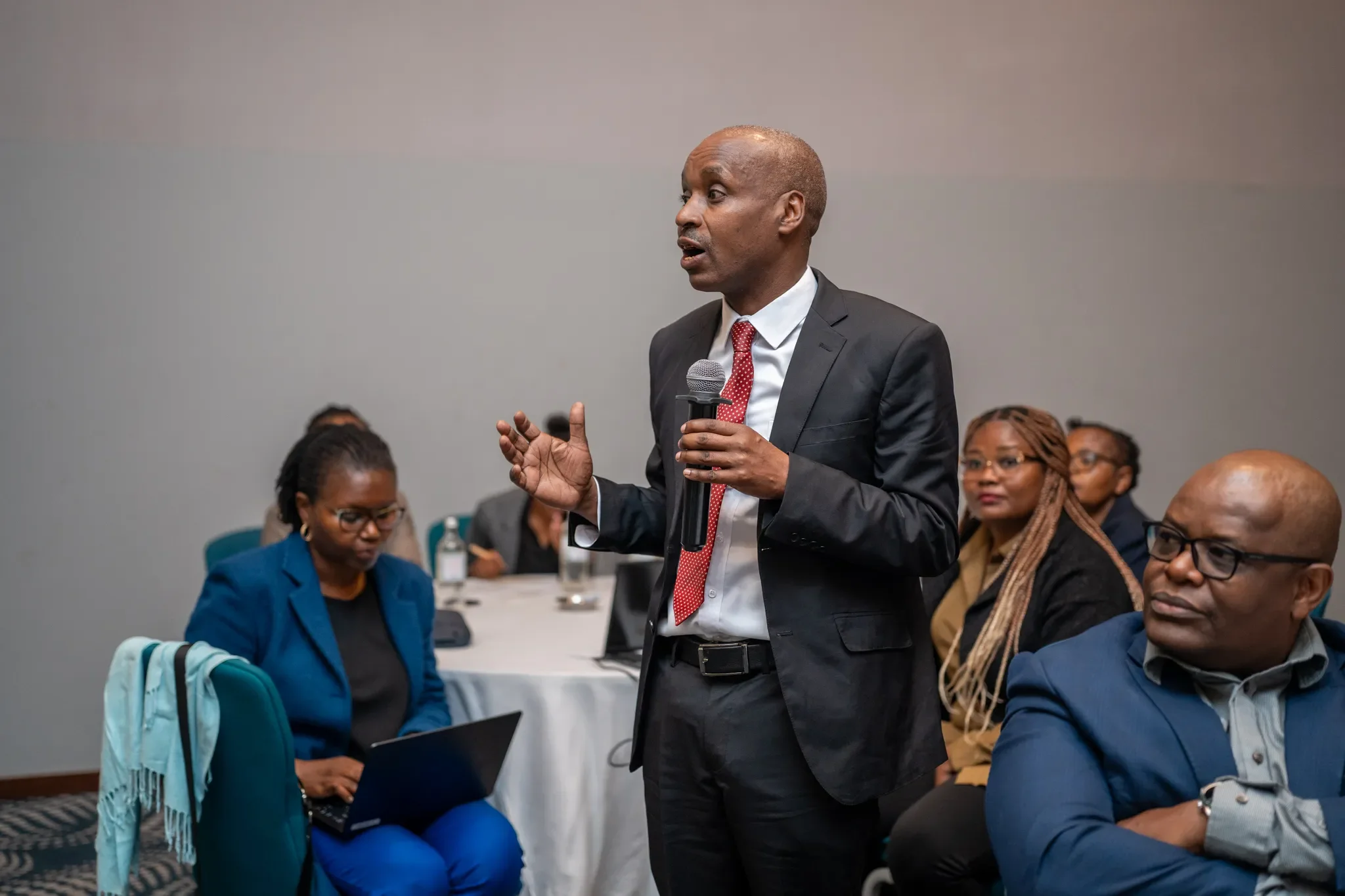
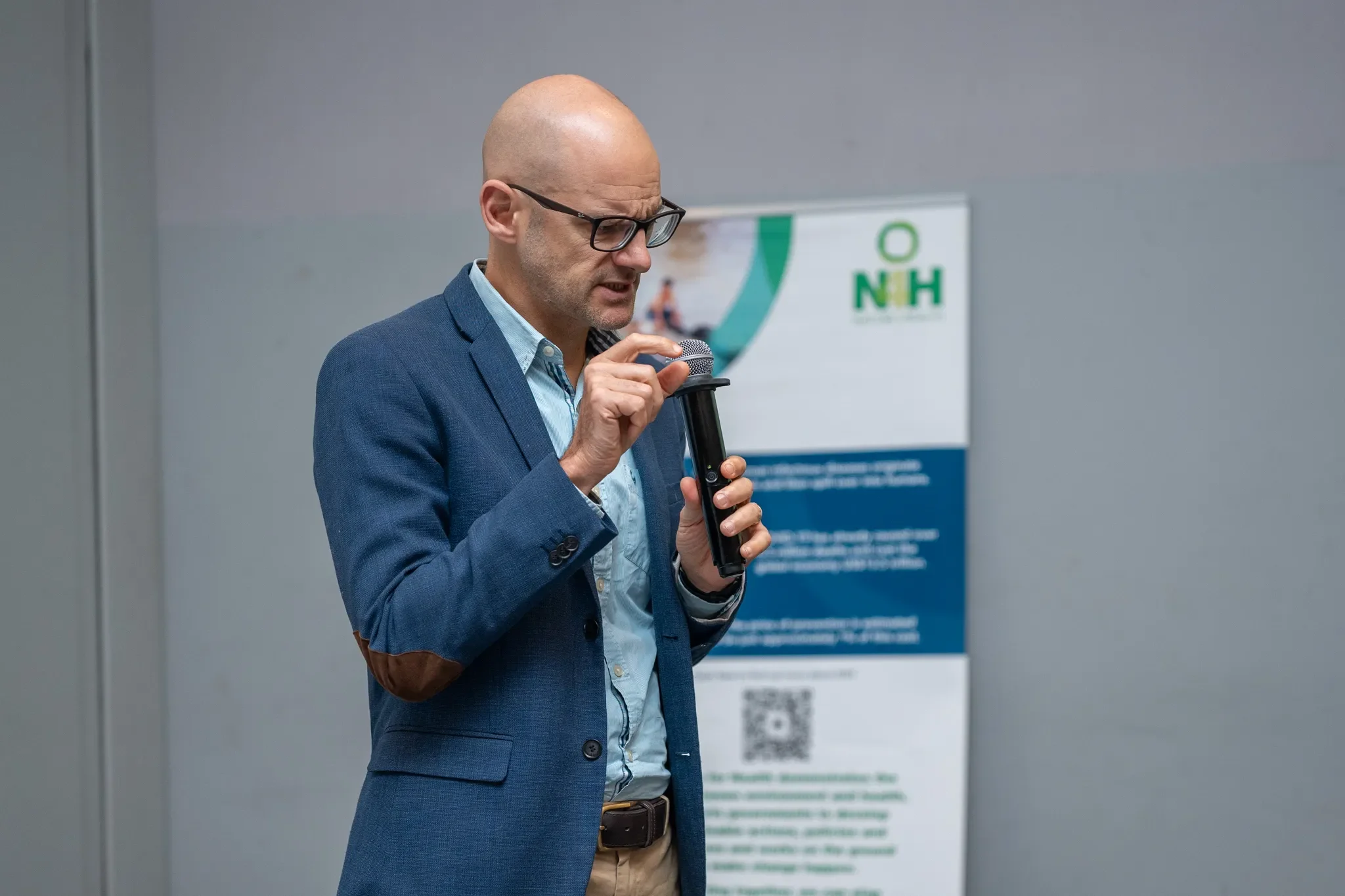
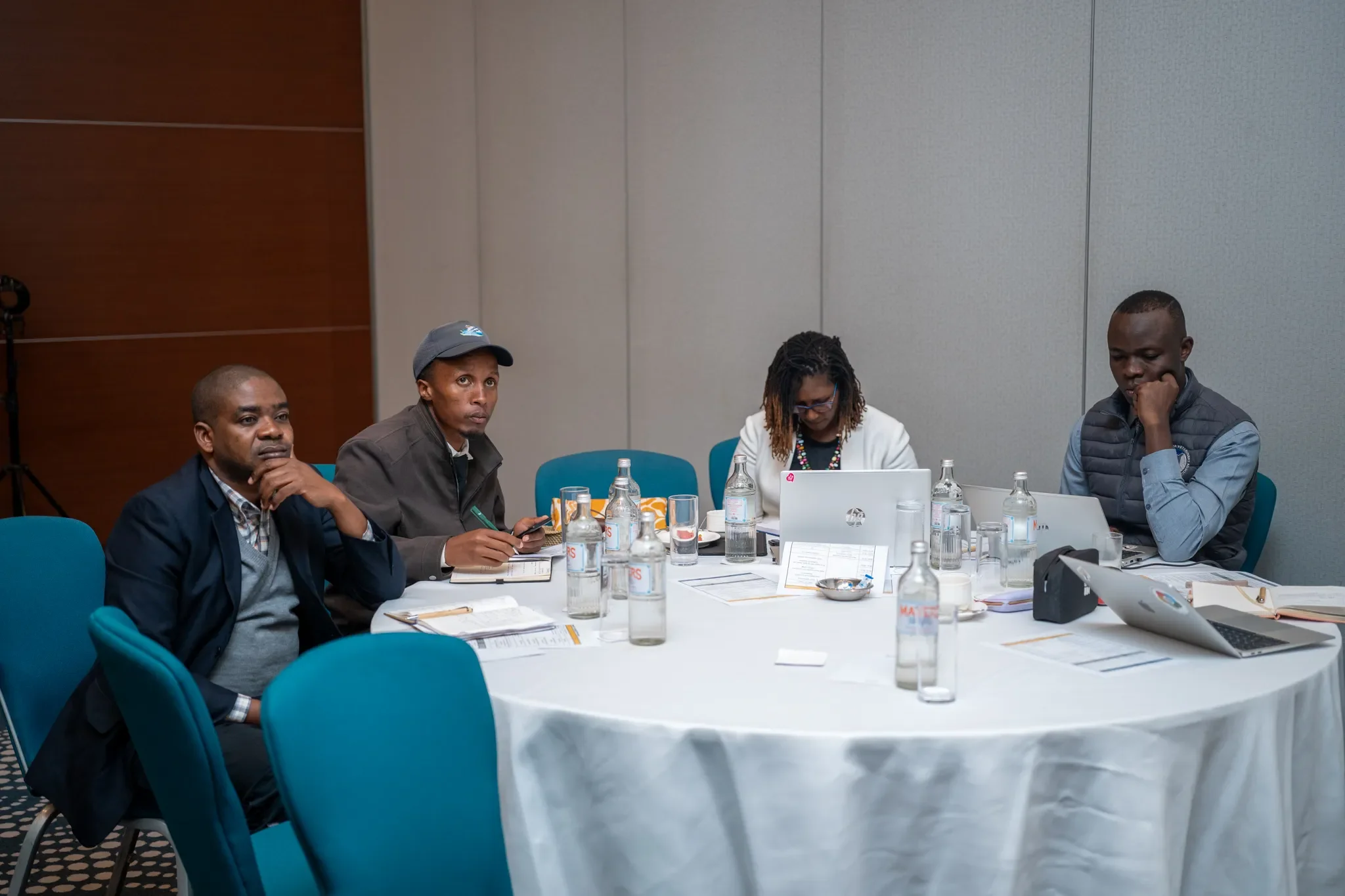
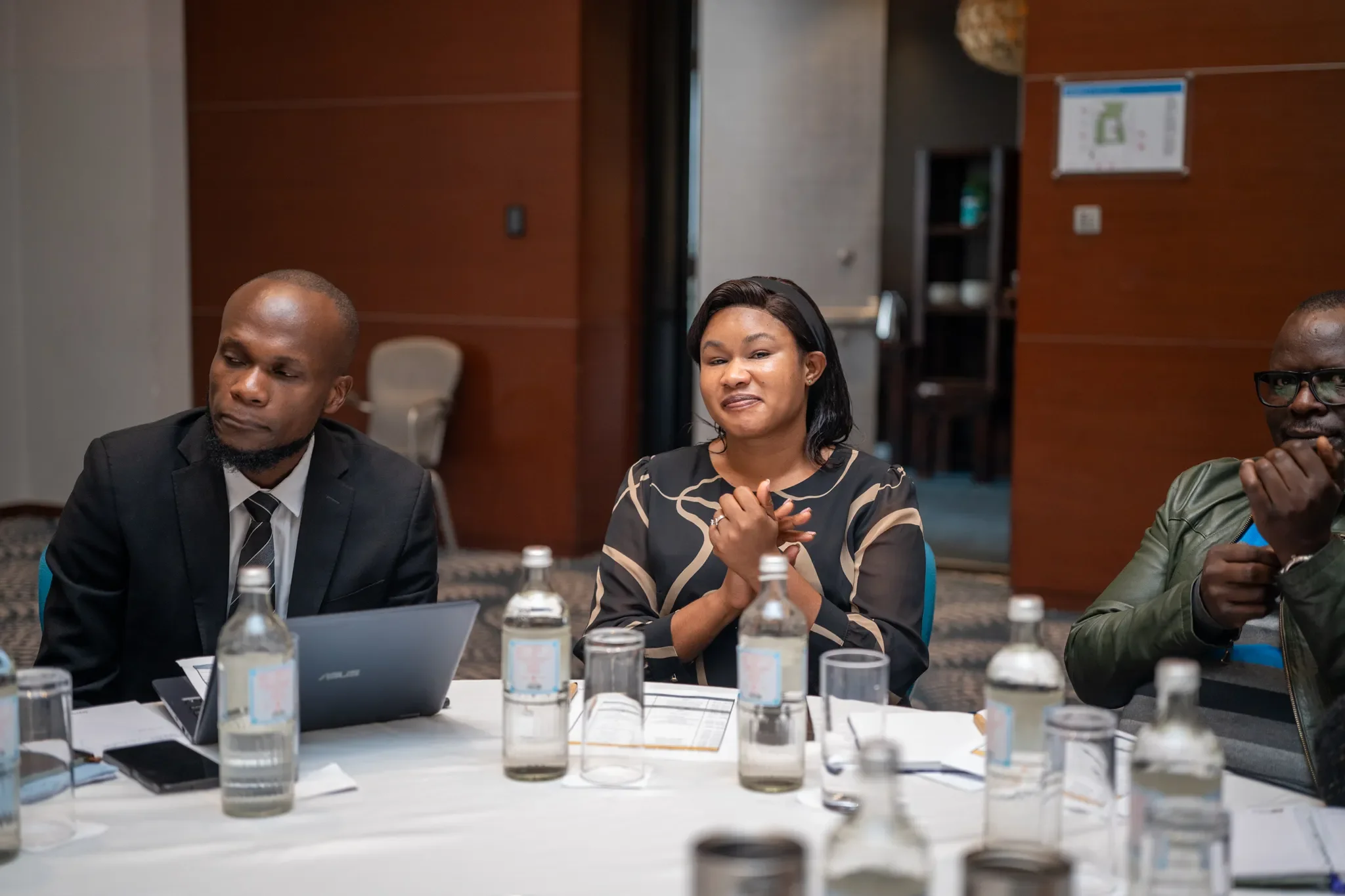
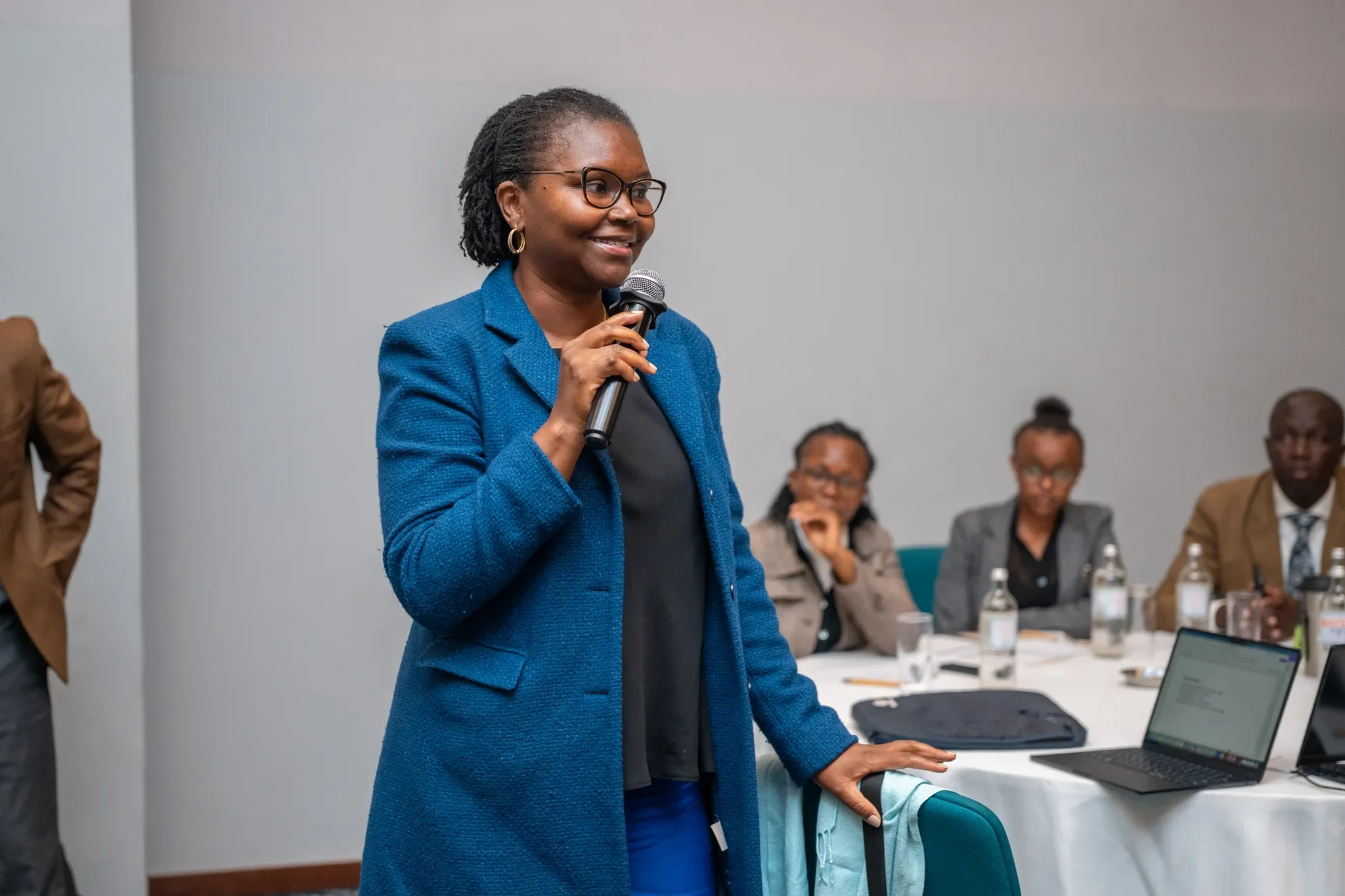
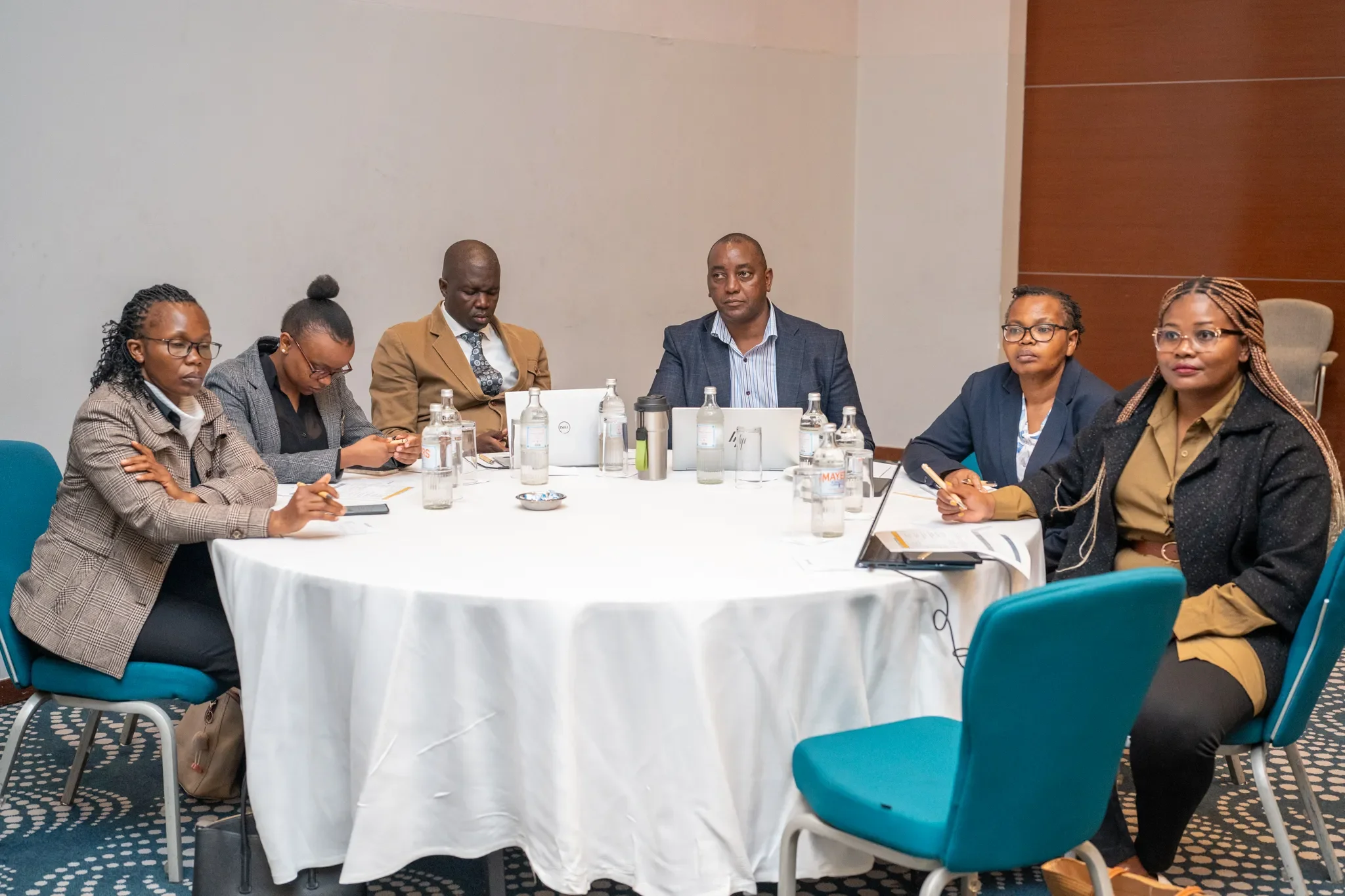
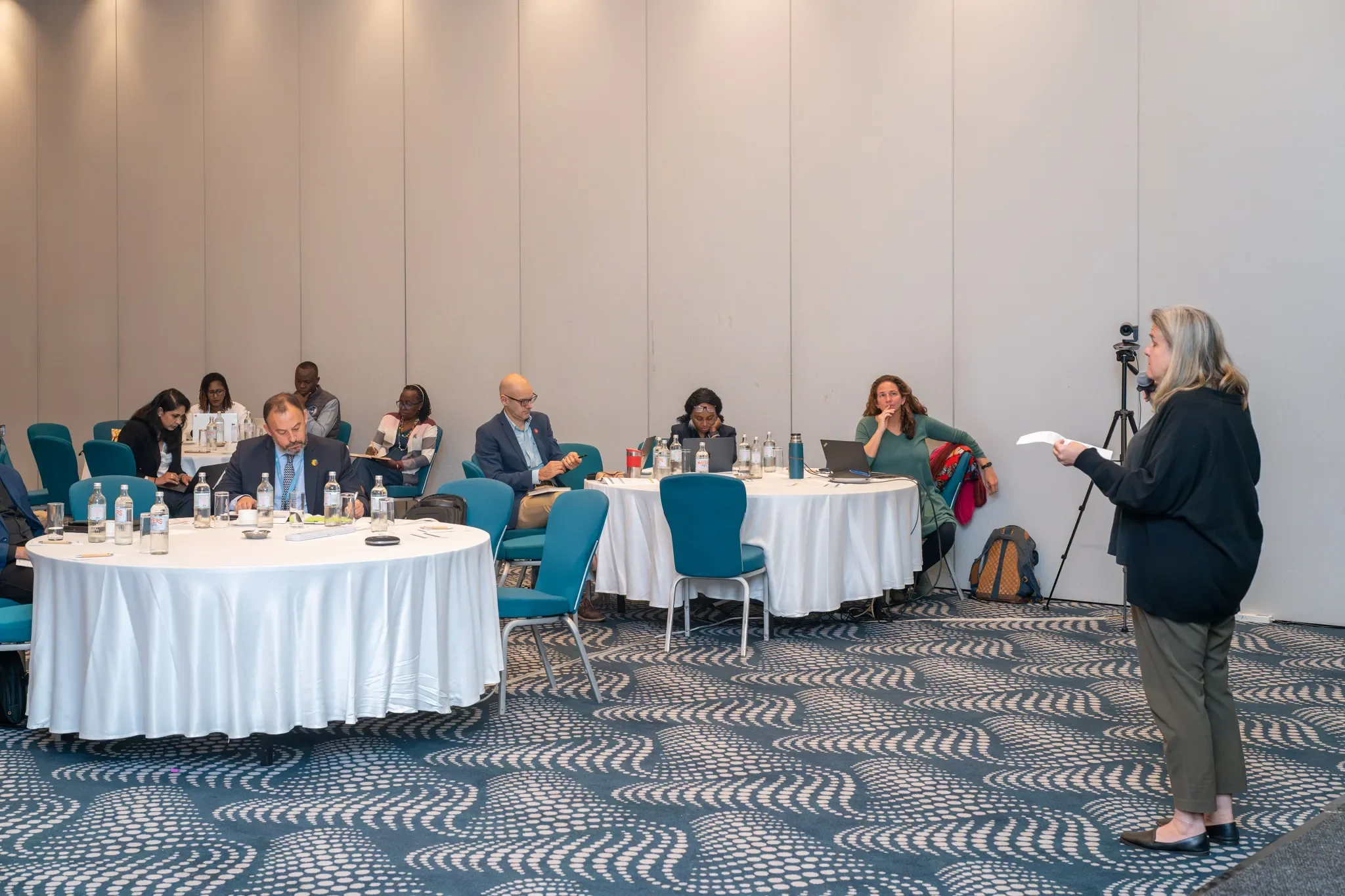
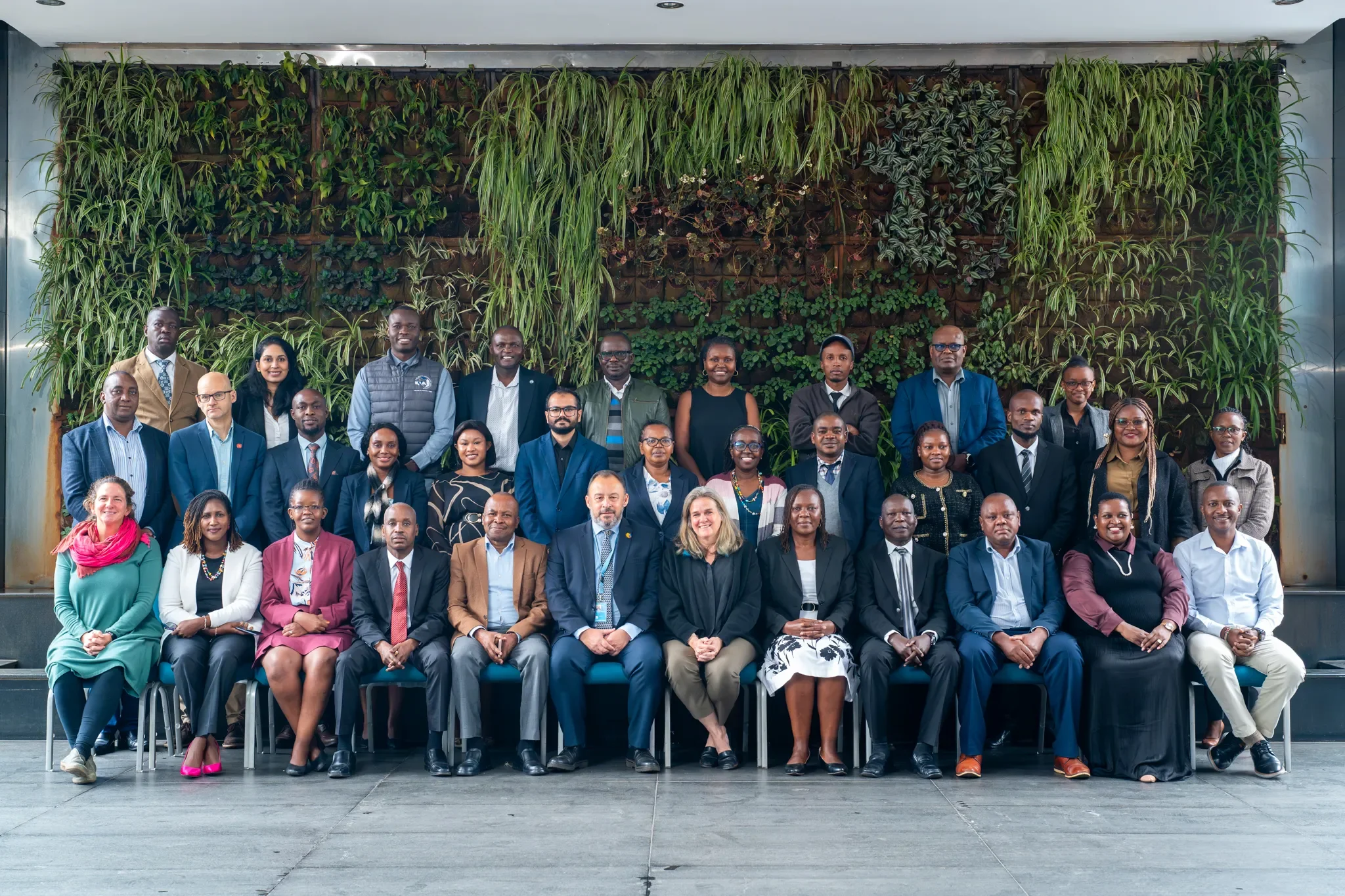
Government ministries, researchers, conservationists, and young people met in Nairobi on 16 September to launch Kenya's Nature4Health scoping phase, where the initiative's Secretariat is based.
Kenya has formally inaugurated the scoping phase of its Nature4Health (N4H) process. The inaugural meeting at the Radisson Blu Upper Hill in Nairobi brought together national ministries, research and conservation institutions, youth representatives, and the N4H Technical Advisory Group (TAG). The work itself is still ahead: over the next few months, the scoping phase will determine where Kenya’s prevention efforts should focus. UNEP hosts the N4H Secretariat in Nairobi, so the launch was on home ground.
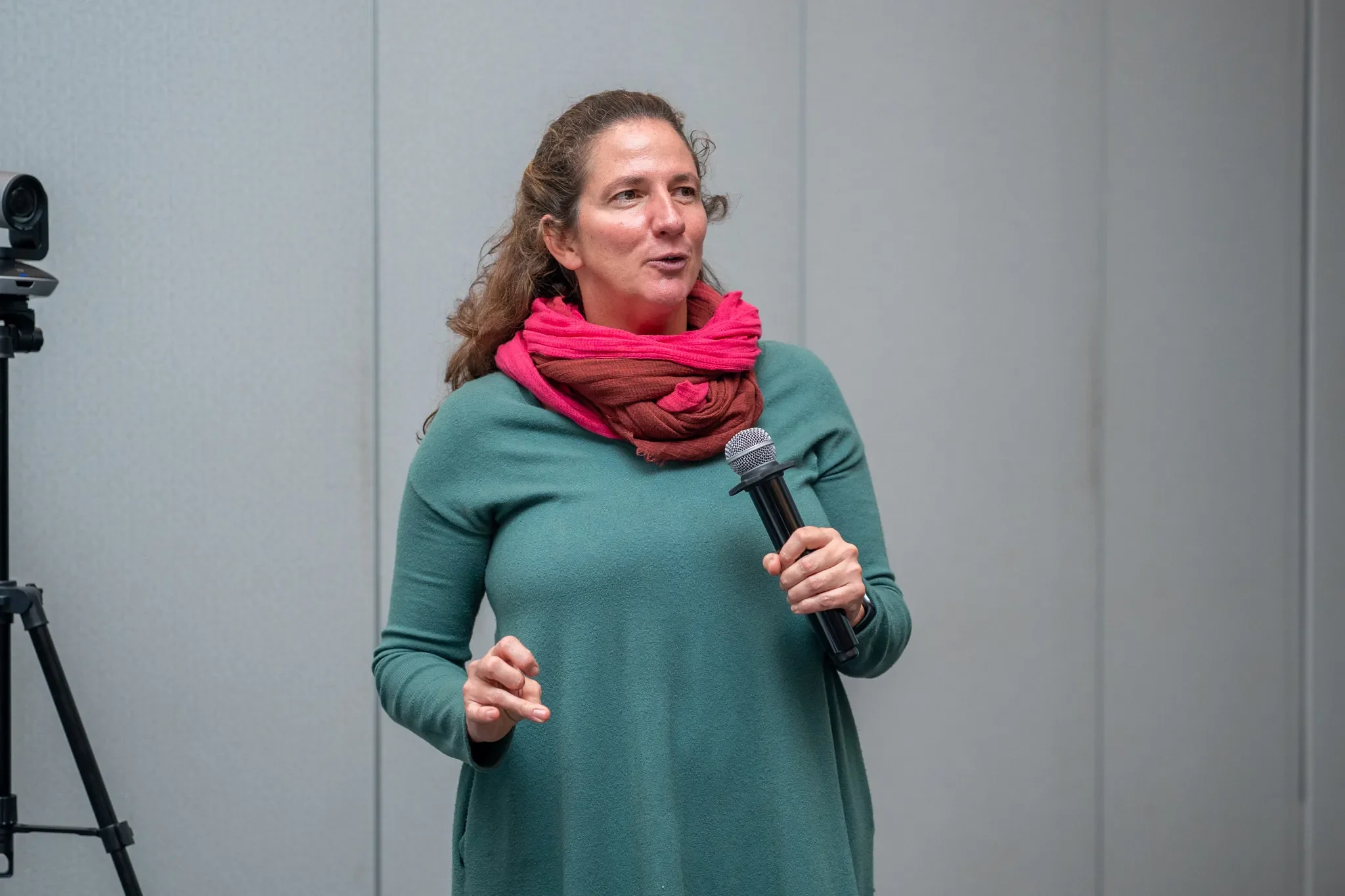
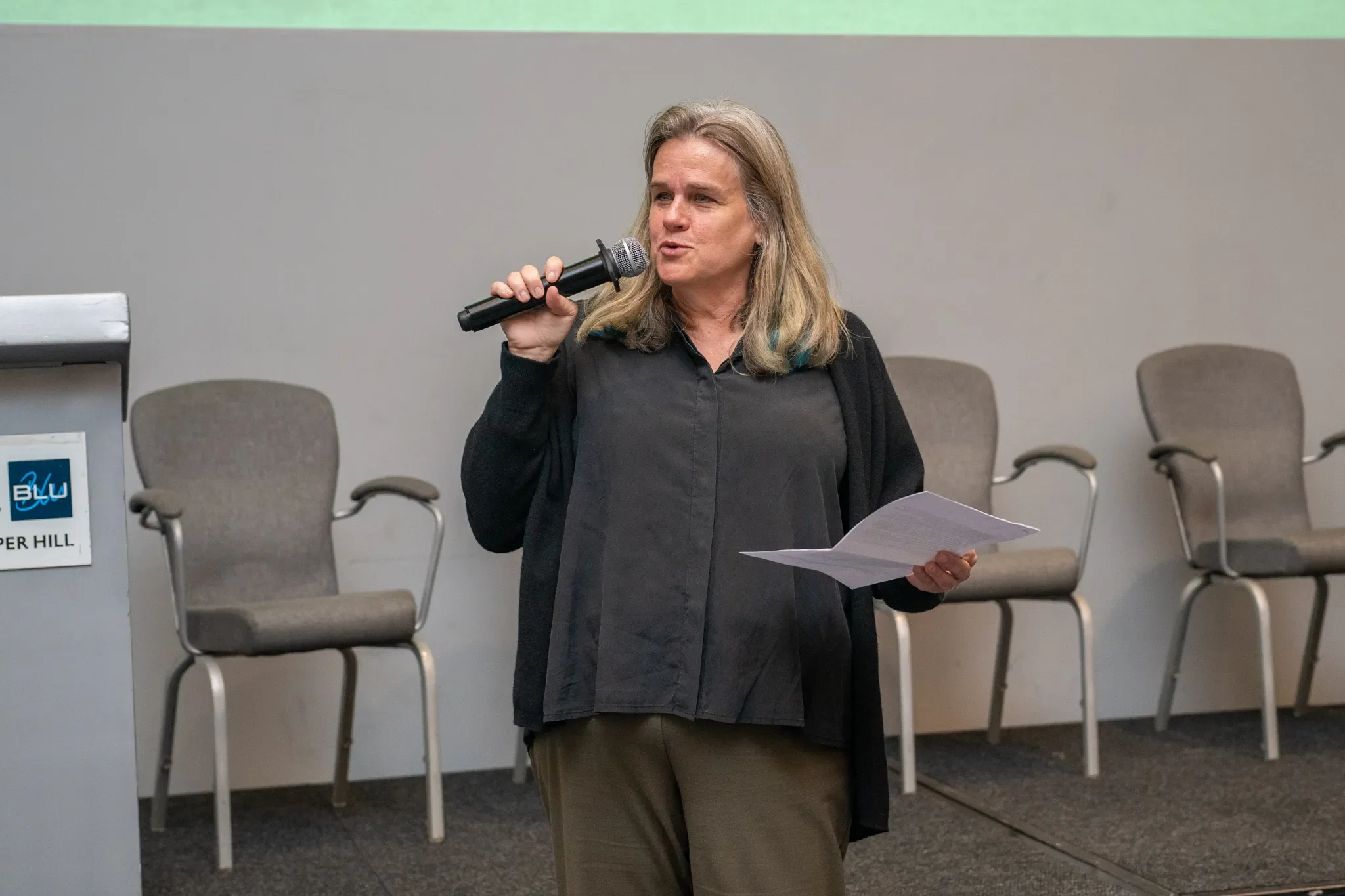
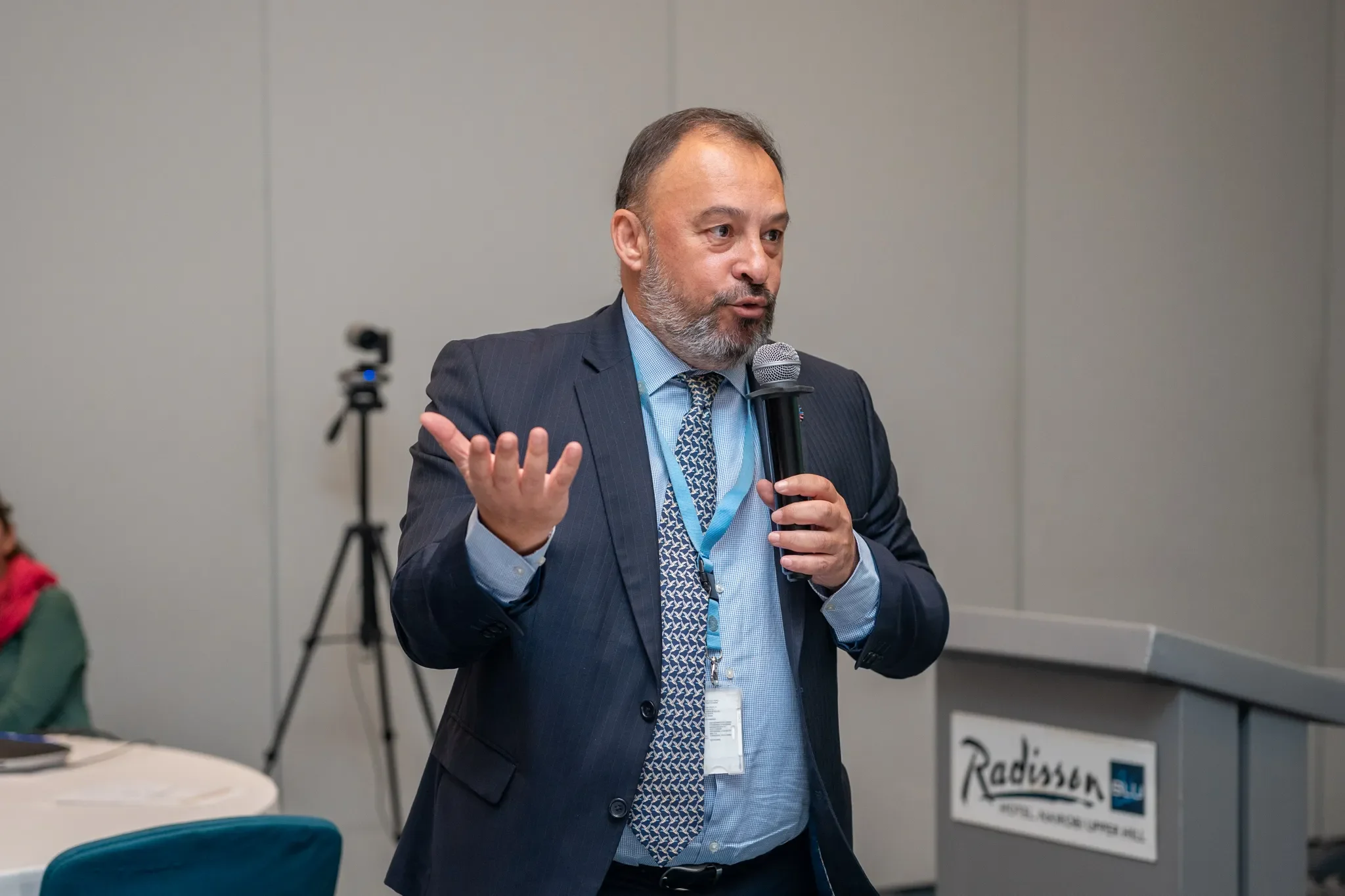
Opening the meeting, Doreen Robinson, Deputy Director of UNEP’s Ecosystems Division and co-chair of the N4H Global Steering Committee, set out why prevention must begin with nature. COVID-19, she said, reminded the world that pandemics do not emerge by chance: as habitats are degraded, biodiversity declines, and human activity encroaches deeper into ecosystems, the opportunities for disease to spill over from animals to people increase. “Protecting nature is therefore not only an environmental imperative,” she said. “It is also an investment in public health, economic stability, and human well-being.” She credited Kenya’s selection to the country’s governance structures and sustained government engagement, noting the two Expressions of Interest the government submitted.
She was equally direct about why the case for prevention is hard to make. “Prevention is often difficult to prove because its success is measured by something that does not happen,” she said. It is not easy to demonstrate the economic value of an outbreak that never occurred. At a time when development and environmental funding is under pressure, she argued. The task is to strengthen the evidence base and make prevention “not only necessary, but investable”.
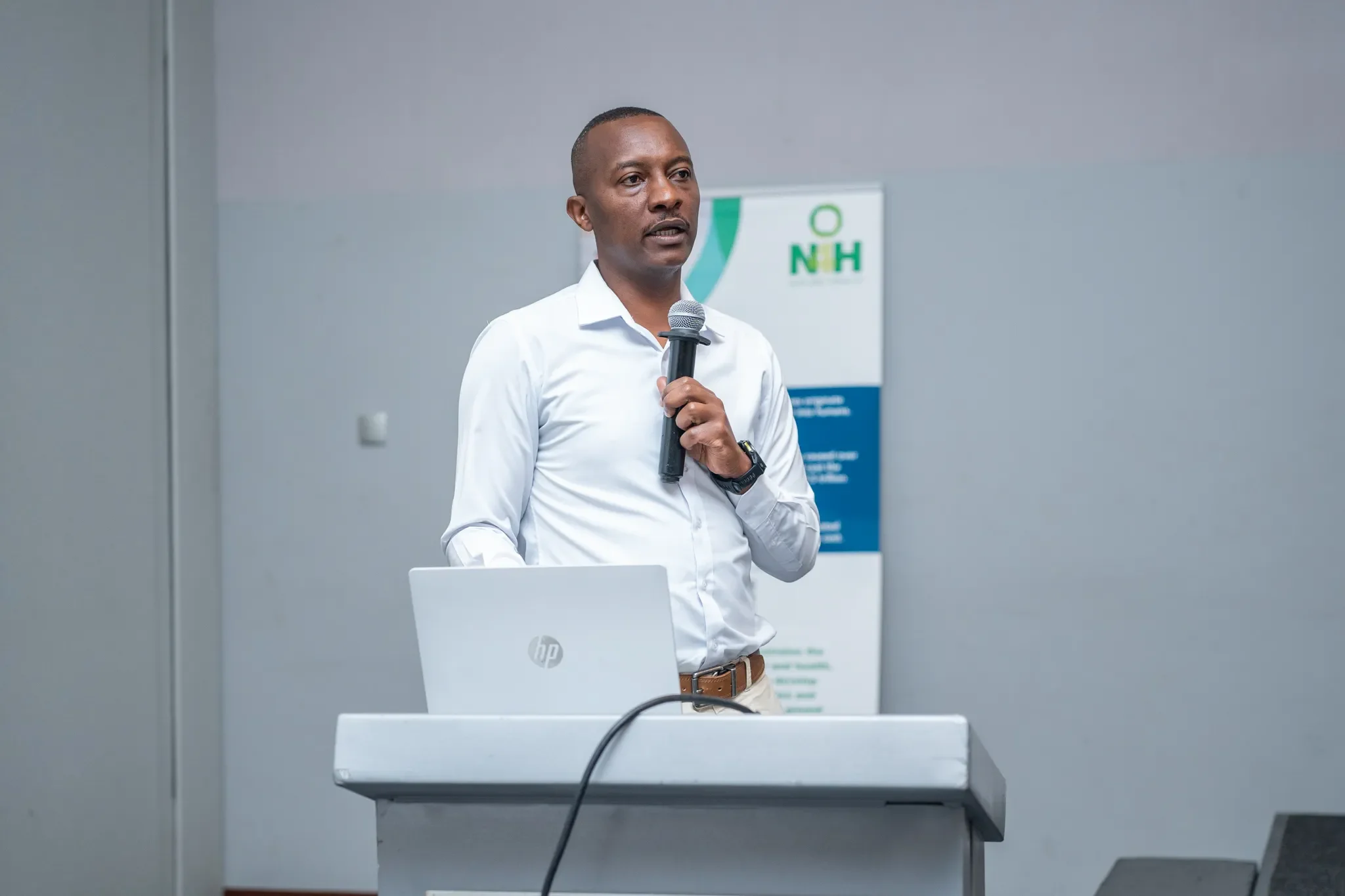
Kenya knows the cost of spillover first-hand. Dr Mathew Muturi, Head of the Epidemiology Section at the Ministry of Agriculture and Livestock, set out the record: the 2015 anthrax outbreak in Ol Pejeta and the surrounding conservancies, which killed up to 800 buffalo and eight white rhinos, as well as livestock, and exposed people too; recurrent Rift Valley fever in northern Kenya; and yellow fever, which in 2022 caused 111 cases and 12 deaths, marking the country's first locally acquired infections since 1995. The common thread, he said, is rapid environmental and demographic change, land-use change, shifting rainfall and prolonged drought, population growth and urbanization, each widening opportunities for a pathogen to spread.
Speaking on behalf of the N4H Taskforce Technical Advisory Group (TAG), Prof. Alexandre Caron set out the rationale for the approach. Environmental, social and economic crises are interconnected, he said, while the responses to them are not. Upstream prevention addresses the environmental, structural, and systemic causes of risk before disease reaches the point of spillover, through activities such as land-use policy, habitat restoration, rangeland management, and the empowerment of Indigenous Peoples and local communities. Which of those angles Kenya takes remains unsettled; that is the question the scoping phase is set up to answer.
UNEP Kenya
Voices from the landscape
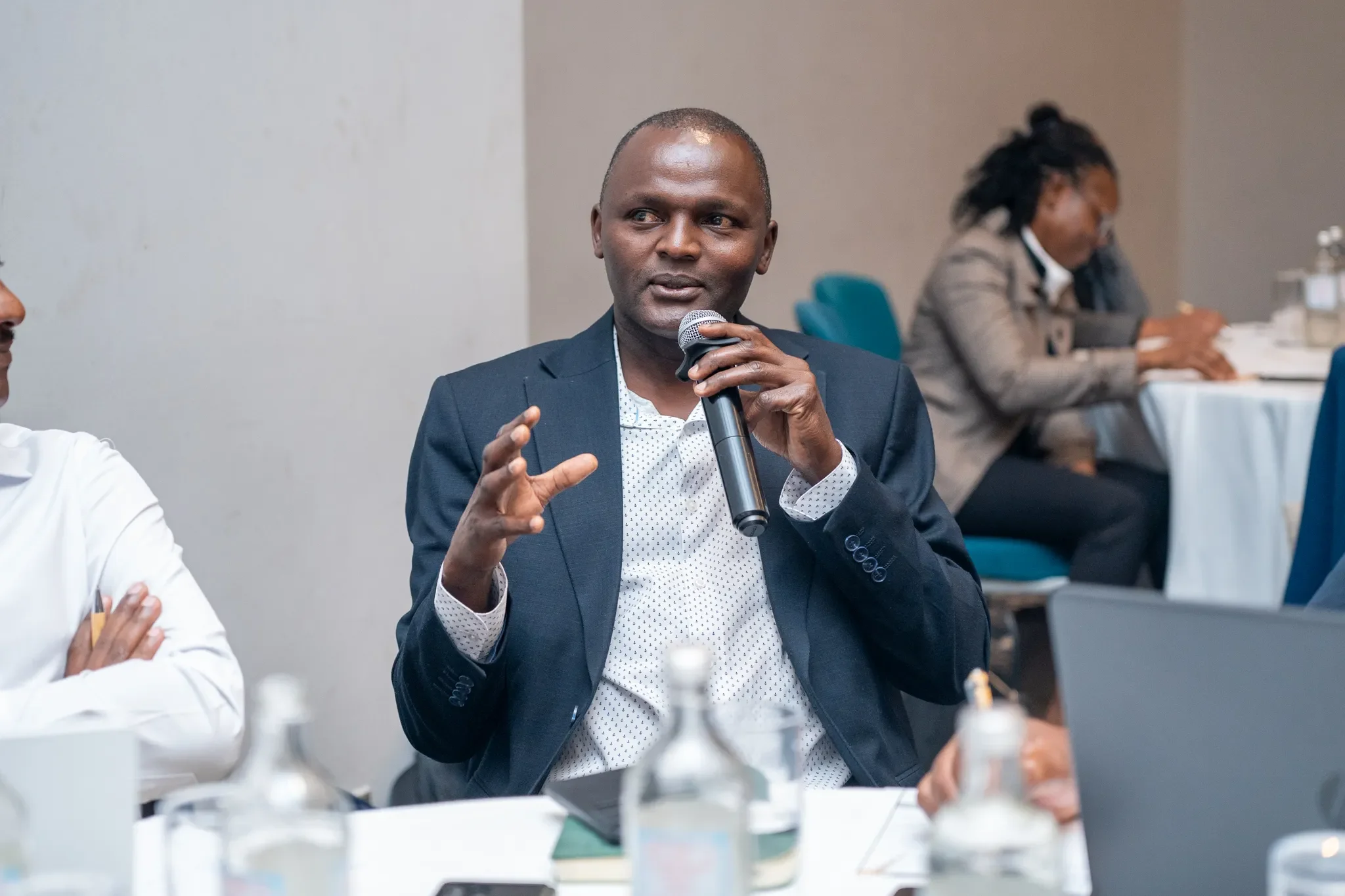
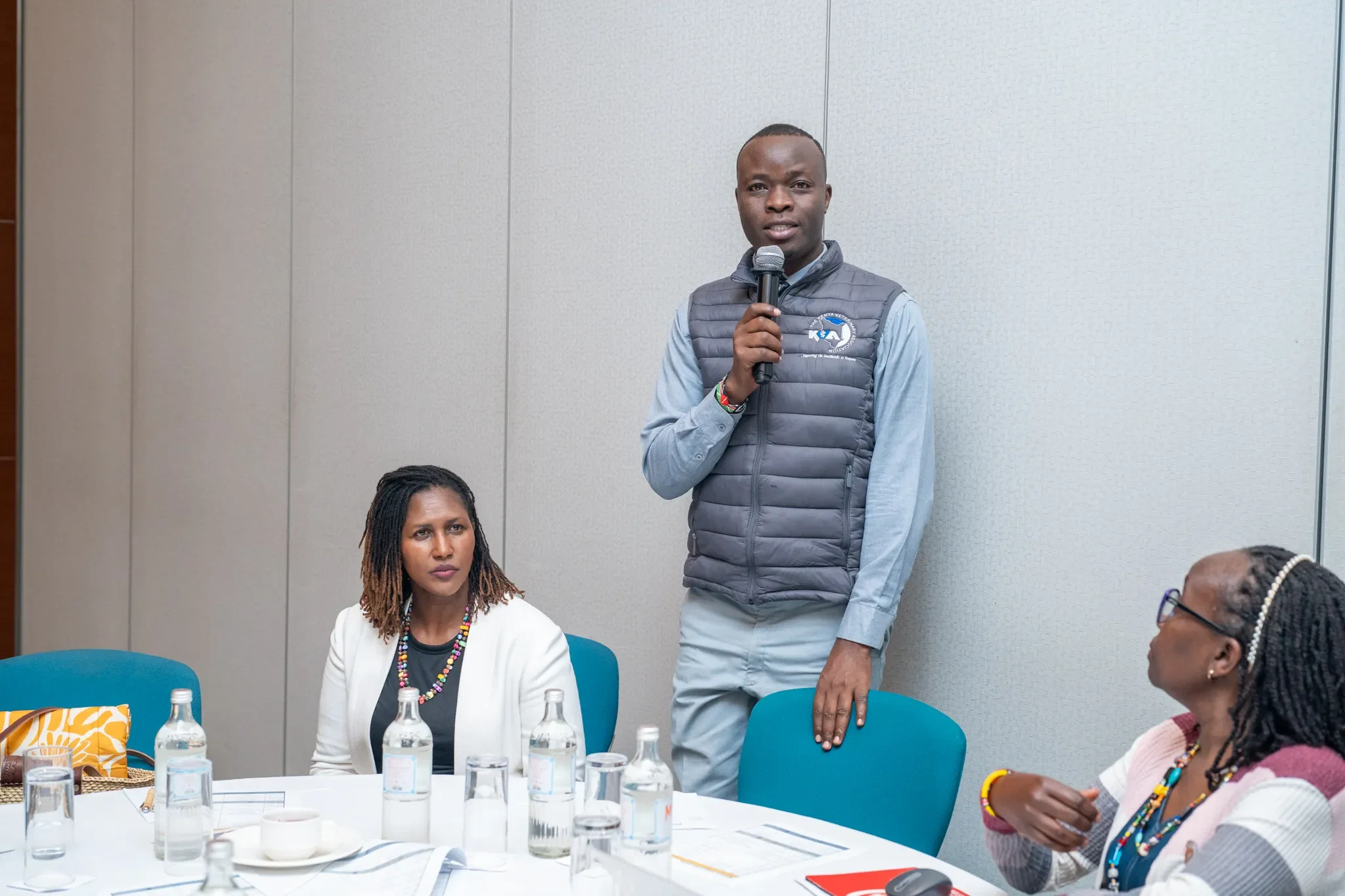
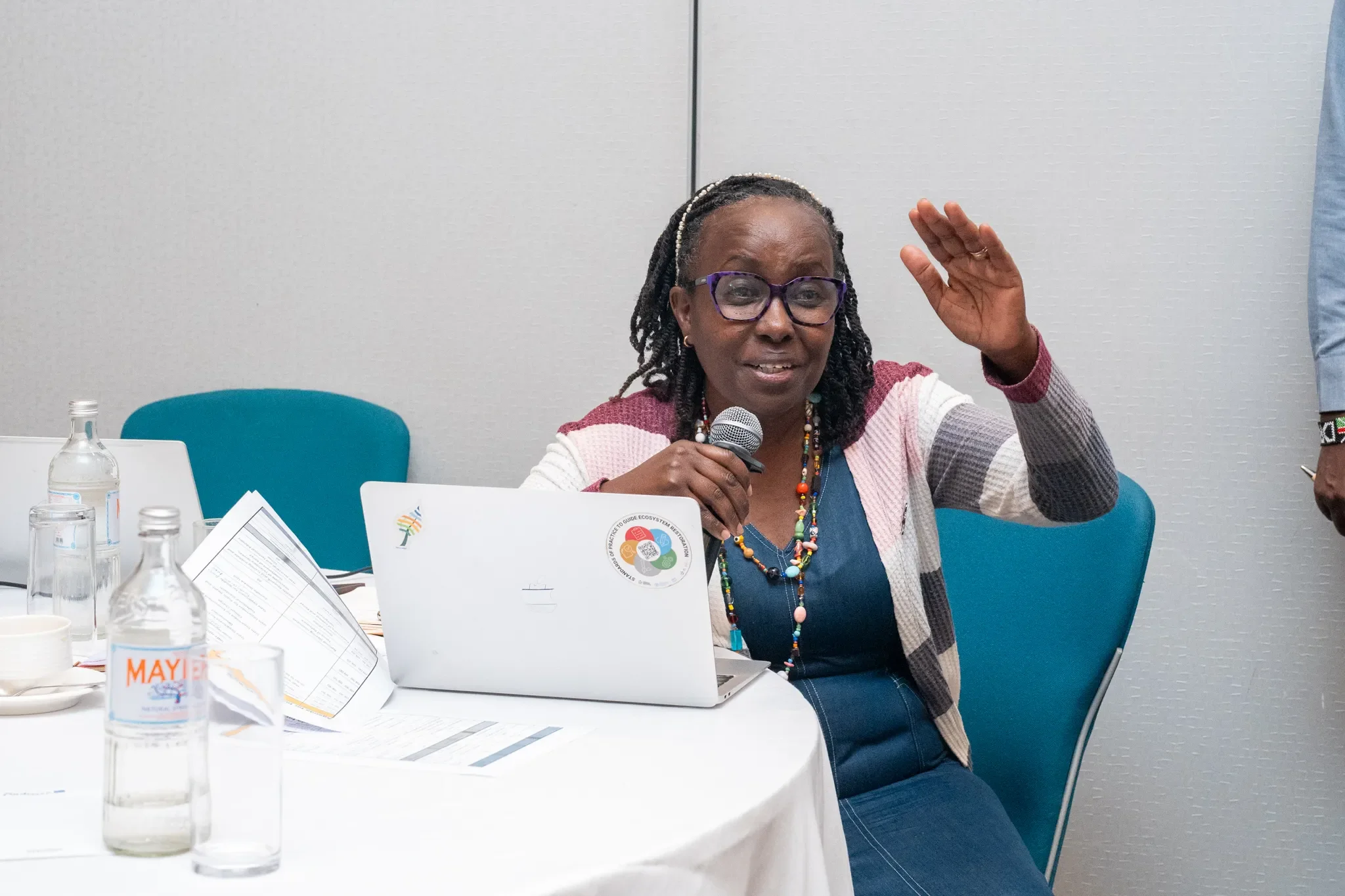
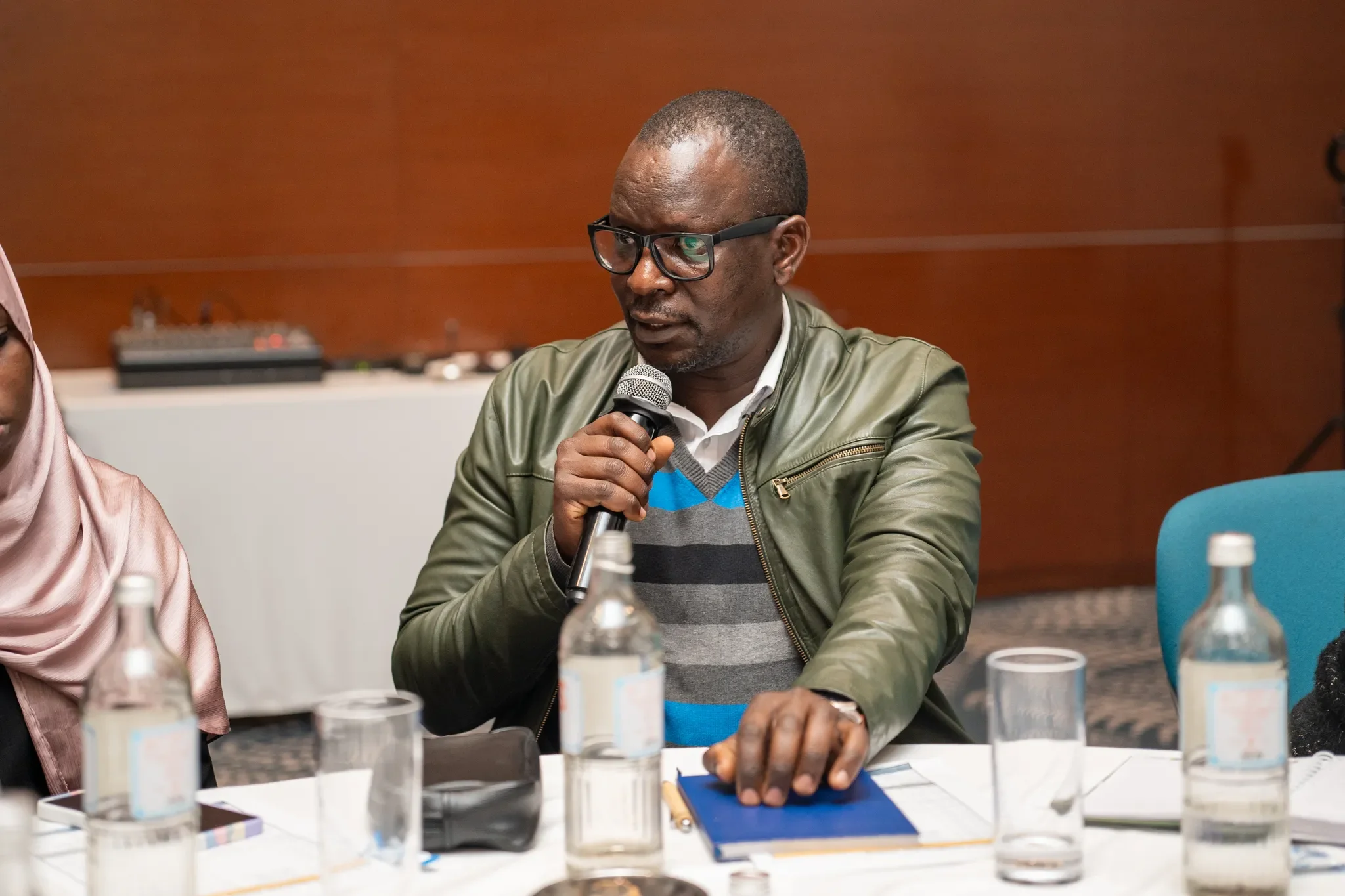
Victor Mose of the Amboseli Conservation Program and Lucy Waruingi from the African Conservation Centre demonstrated what this looks like on the ground. In Amboseli, One Health Community Clubs bring herders, community health promoters, veterinary services, and women's grass bank groups together to monitor their landscape. Community knowledge and satellite data have been combined to map flood drainage routes, and the findings are shared with communities in Maa and Swahili.
Hafeex Hamza, Children and Youth Major Group
Who will steer it?
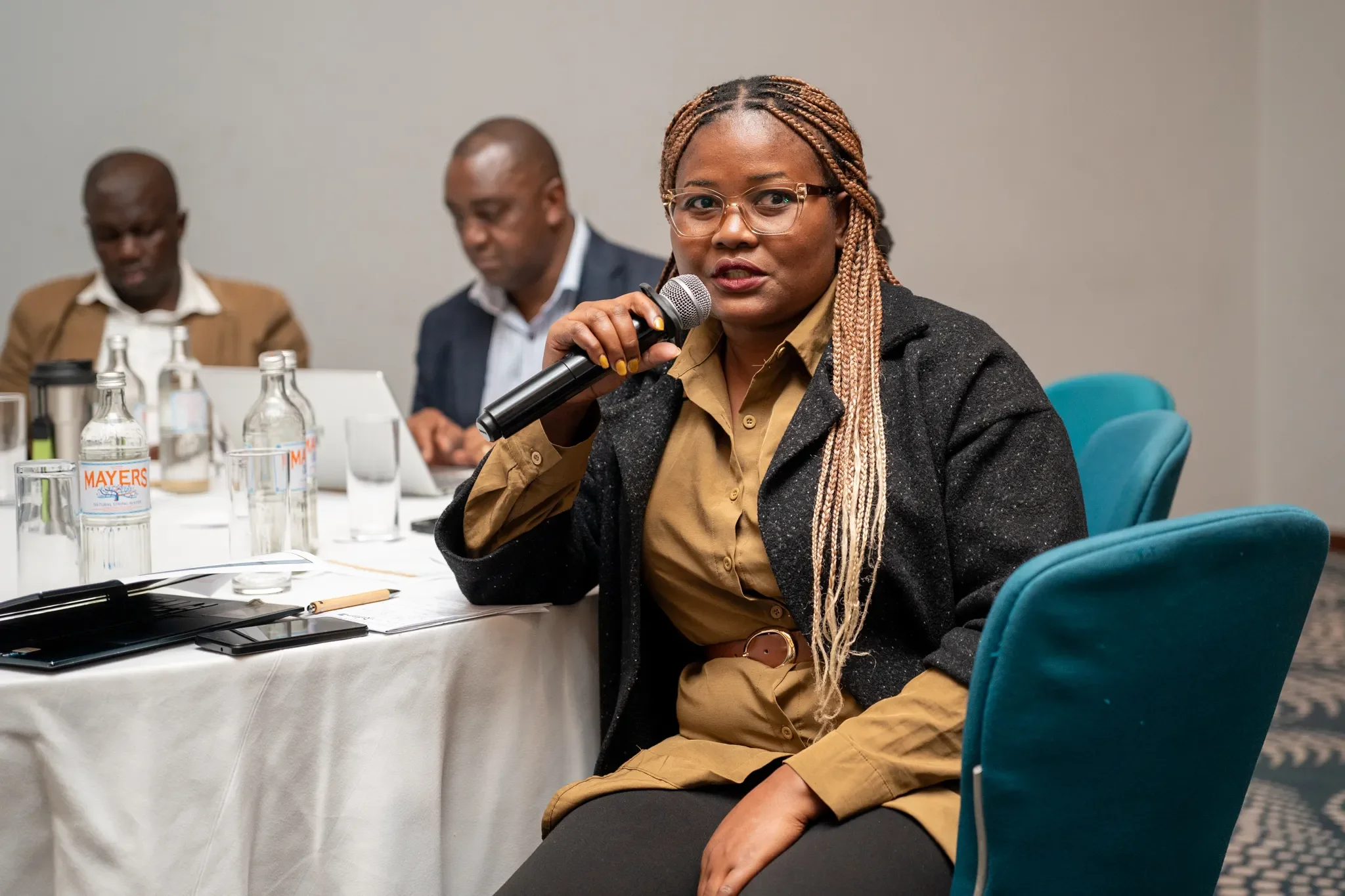
Dr Khadija Chepkorir of the One Health Coordination Office at the Zoonotic Disease Unit presented the proposed National Steering Committee, which would bring together:
The ministries responsible for agriculture and livestock, health, and the environment
The Wildlife Research and Training Institute
The Zoonotic Disease Unit
The One Health Technical Working Group
The University of Nairobi
United Nations Environment Programme (UNEP)
Representatives of Kenya's Children and Youth, Indigenous Peoples and Women's Major Groups
The Committee will meet roughly every two weeks and will steer, guide and ultimately endorse Kenya's Implementation Project Document.
What comes next
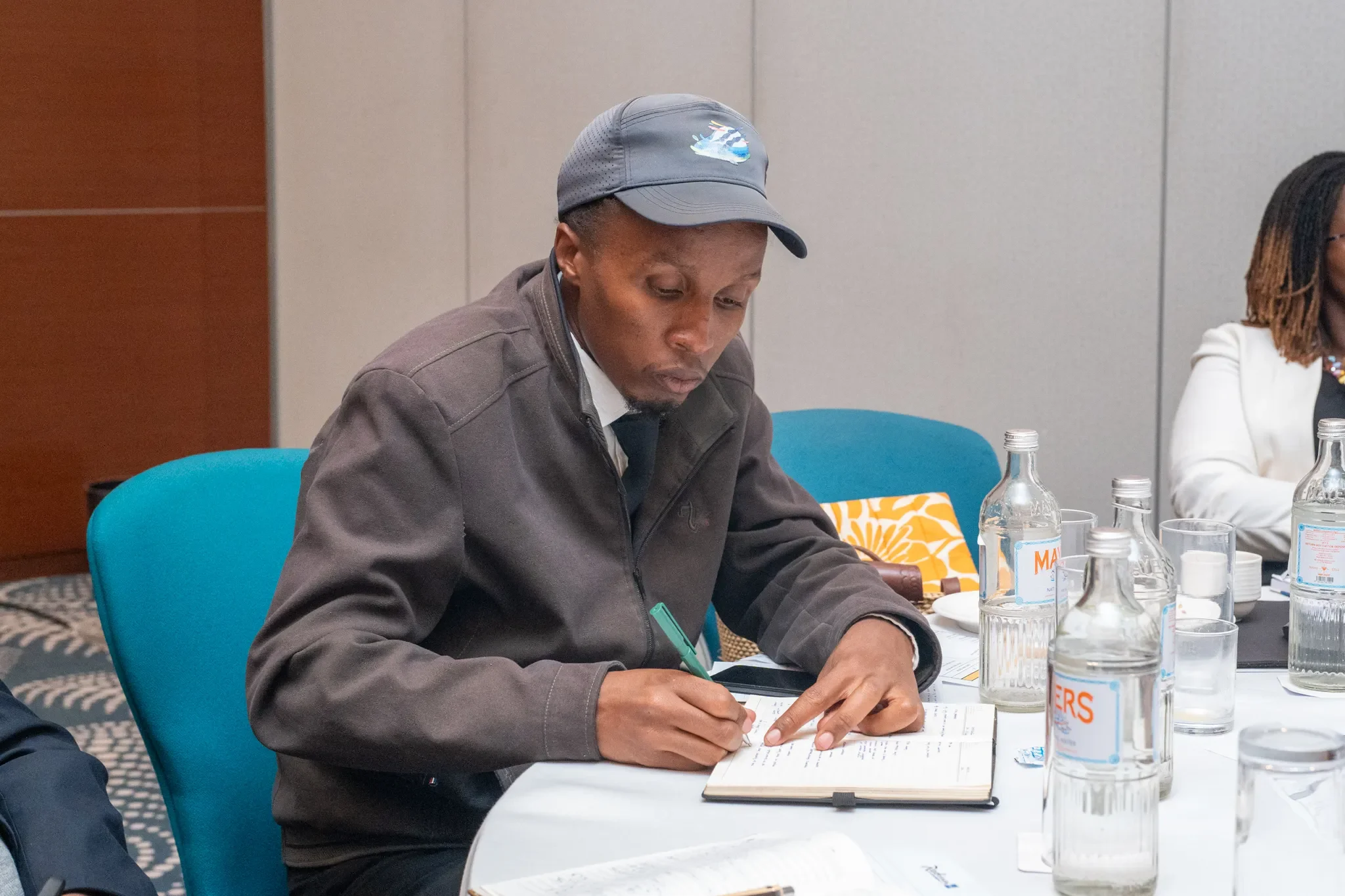
Victor Mose, Amboseli
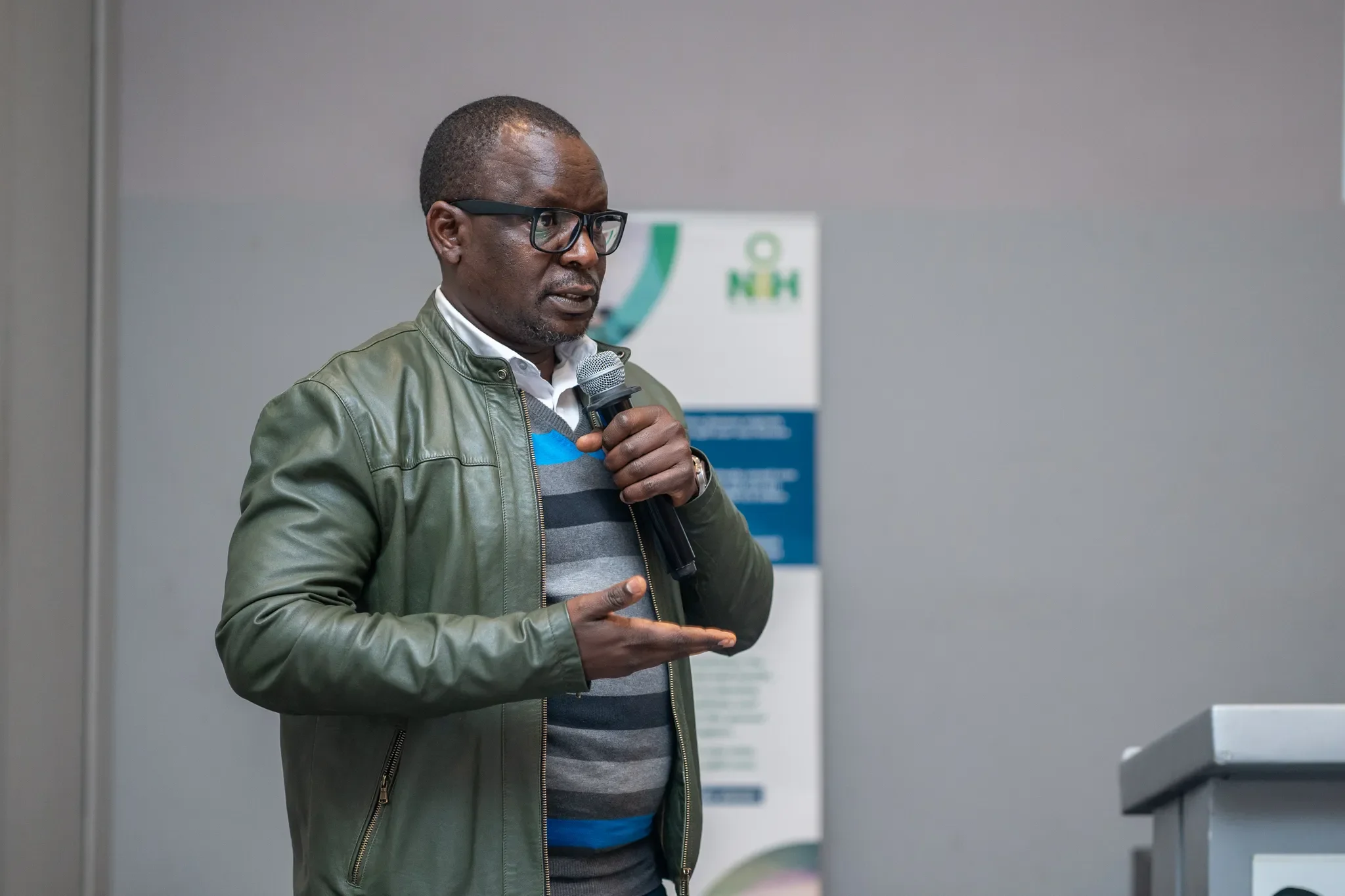
Lucy Waruingi, AFC
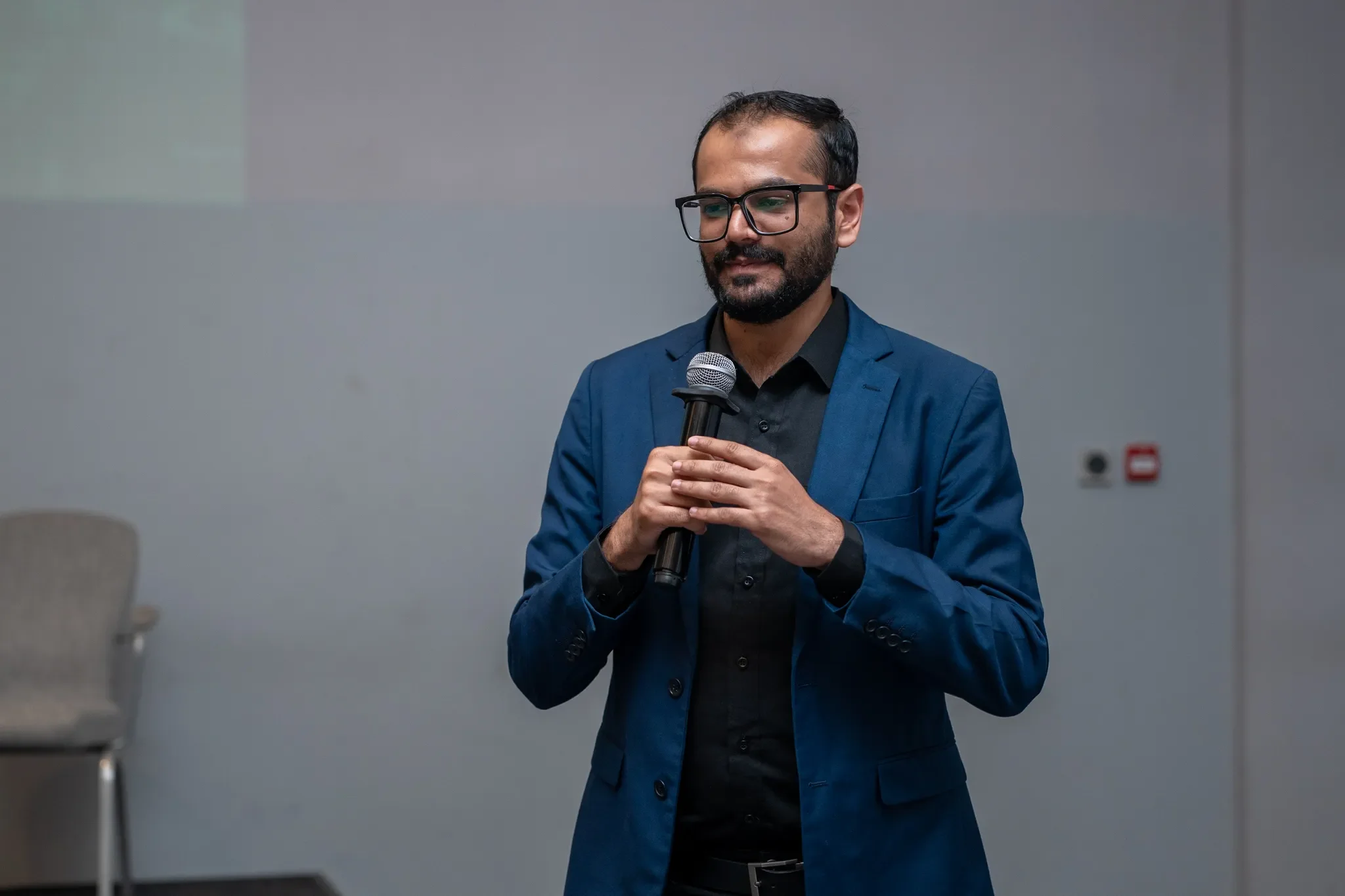
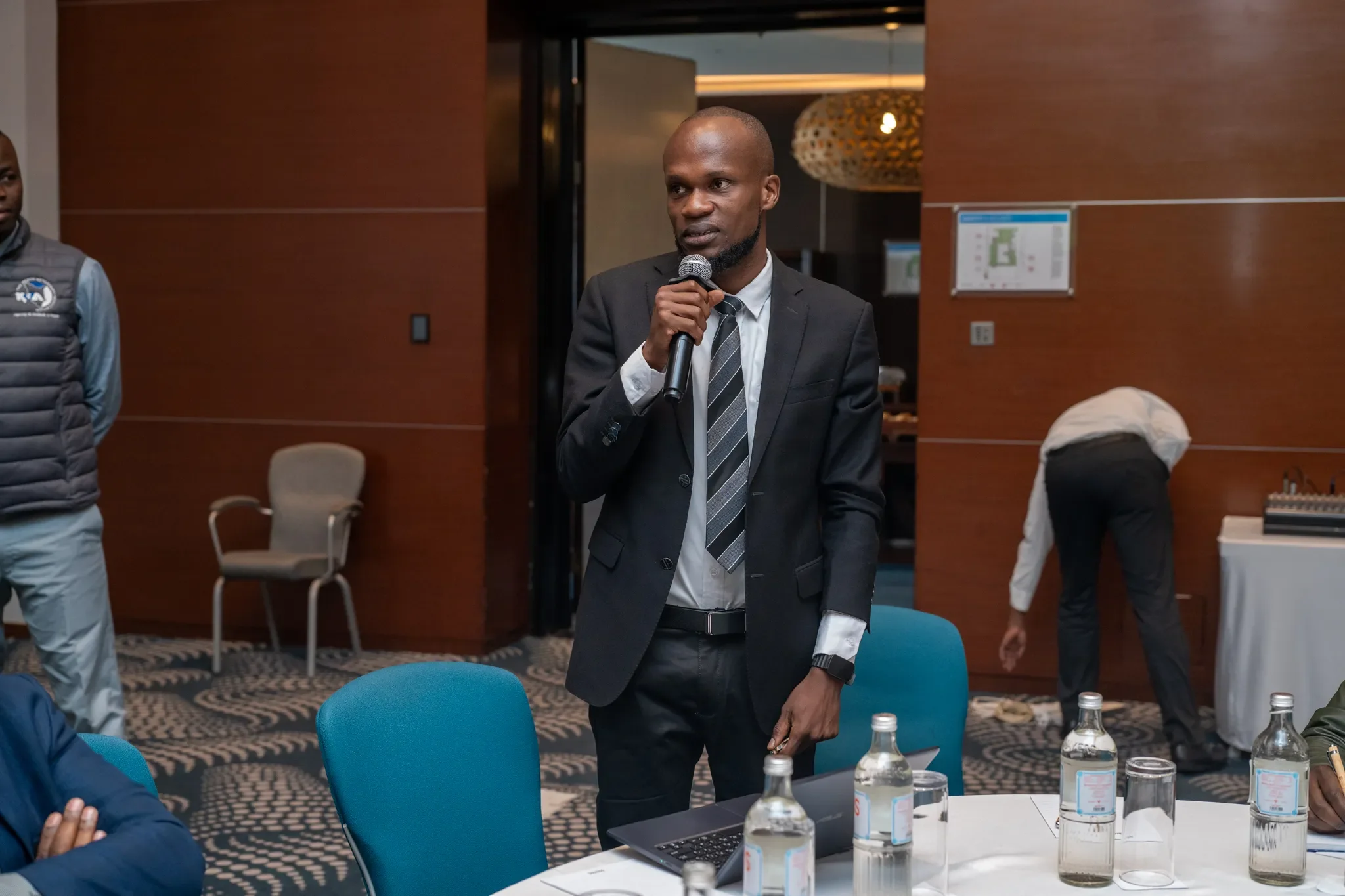
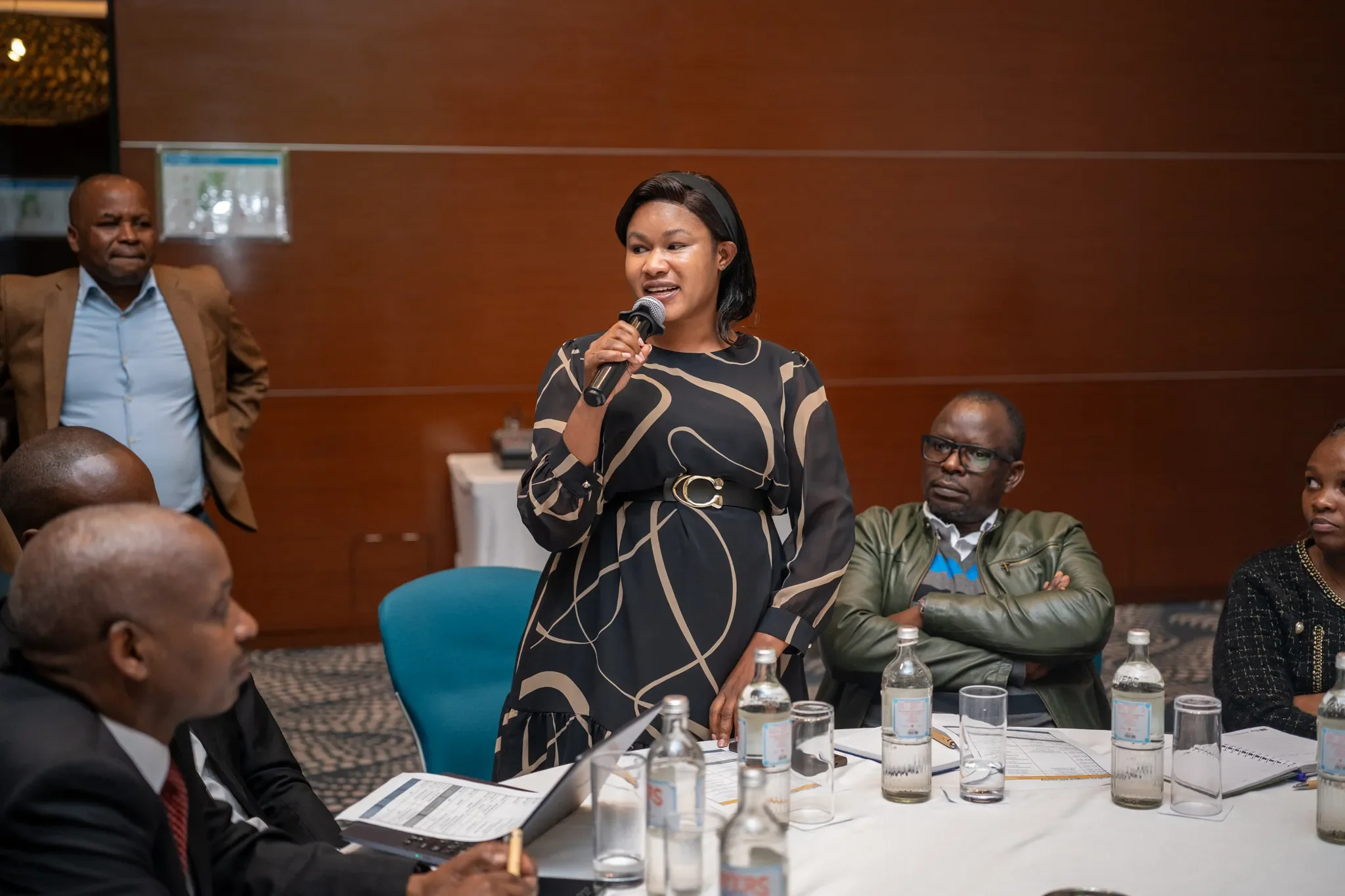
Hafeez Hamza of the Children and Youth Major Group to UNEP made the case for young people. Around three-quarters of Kenyans are under 35, and many already work in areas where spillover occurs. He pointed to the resolution on youth participation adopted at UNEA-7 in Nairobi last December.
He also asked that youth networks be named as convenors in the process, rather than listed as a stakeholder category.
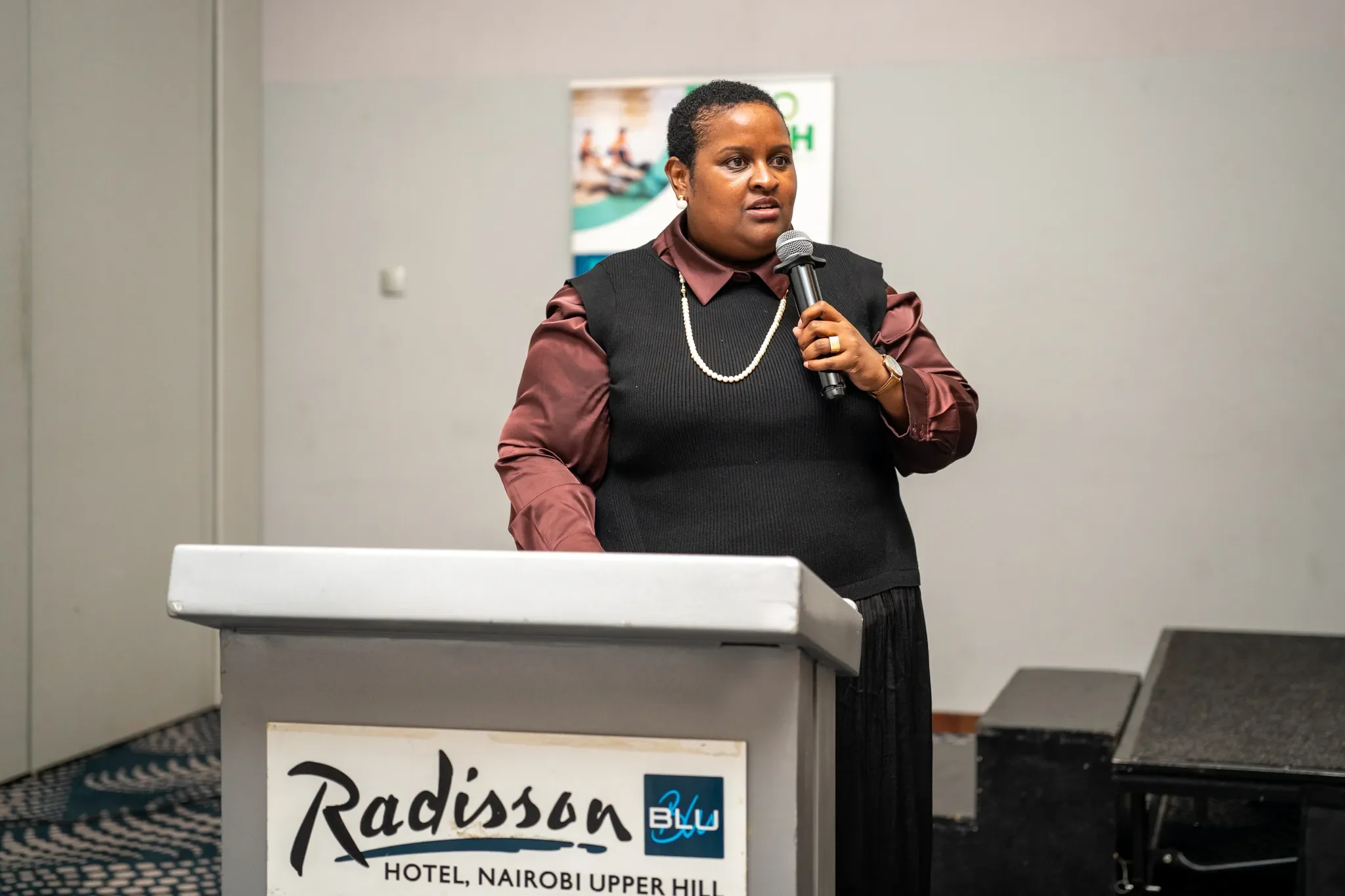
Dr Khadija Chepkorir
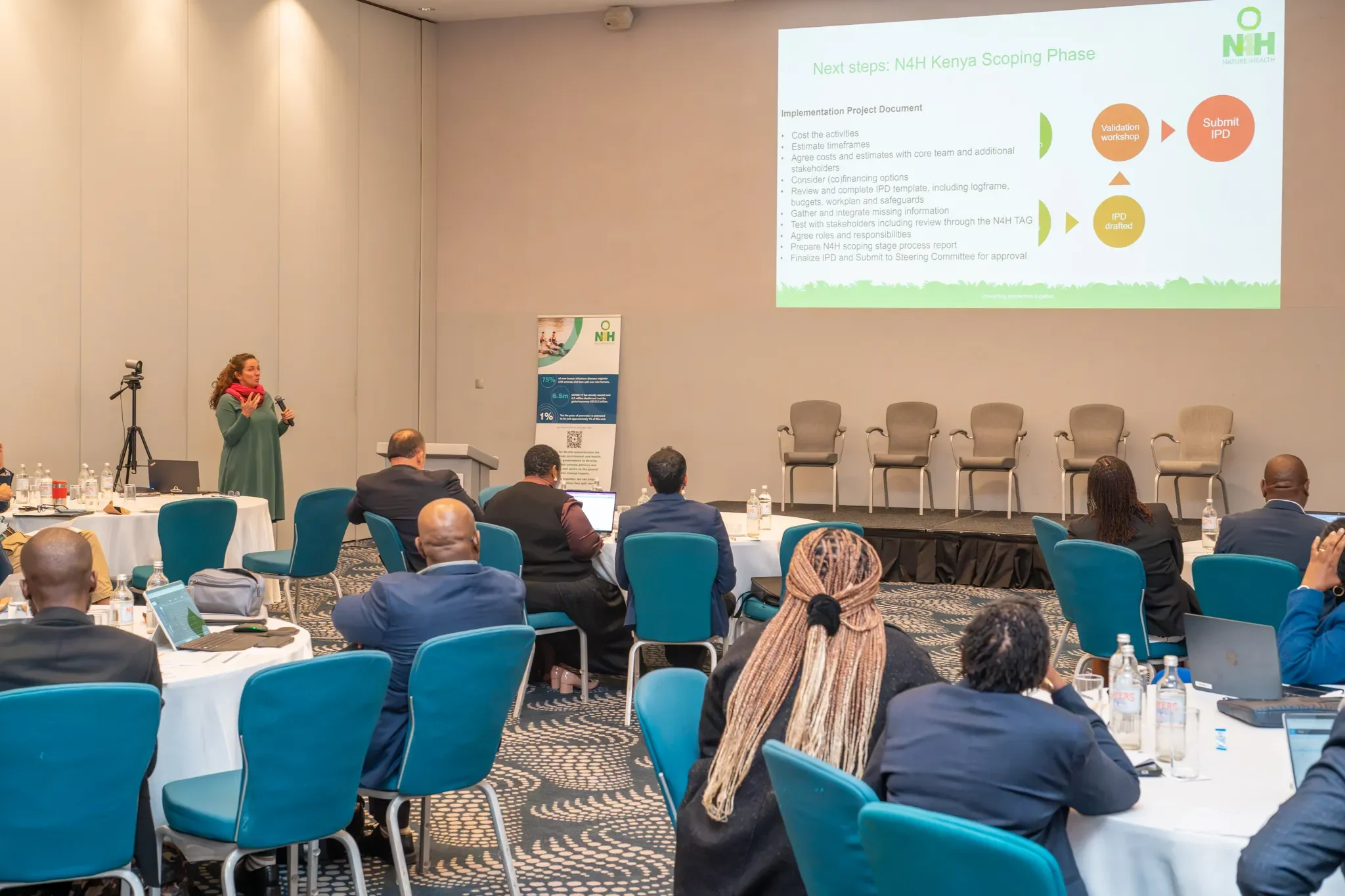
As the meeting closed, Mónica López Conlon of UNEP set out the way ahead. The core team is in place and has jointly drafted the scoping work plan. Bilateral meetings with agencies and sectors will lead to an inception workshop on 3–5 November 2026, which will map stakeholders, risk drivers and geographic scope. Co-creation workshops identify leverage points where action can address root causes. The phase closes with a validation workshop and an Implementation Project Document, which will be submitted to the Steering Committee for approval.
Kenya is one of six Nature4Health Phase I countries. N4H is a multi-partner initiative with UNEP hosting the Secretariat, supported by the German Federal Ministry for the Environment, Nature Conservation, Nuclear Safety a