"Acting for Nature is Acting for Health"
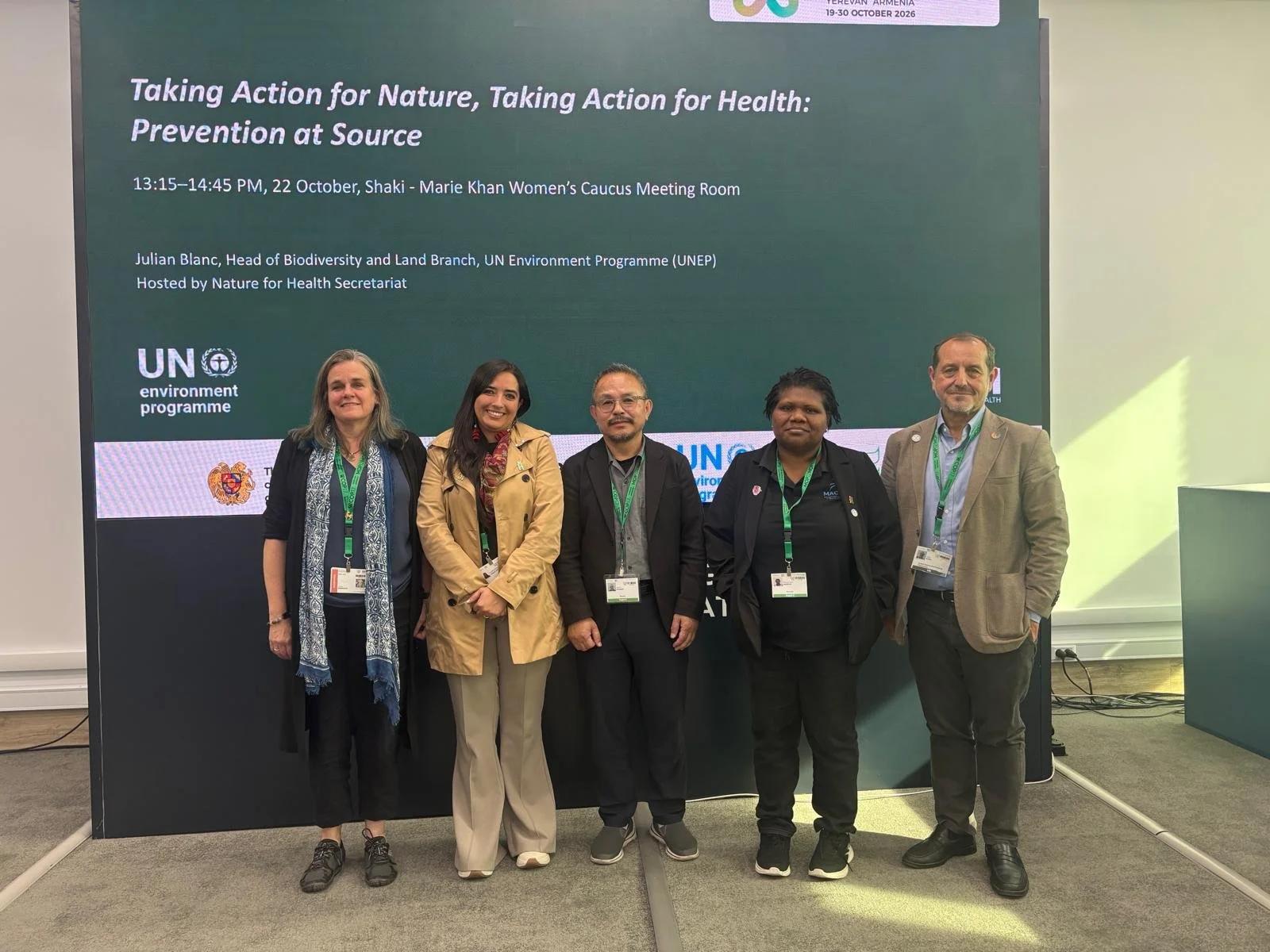
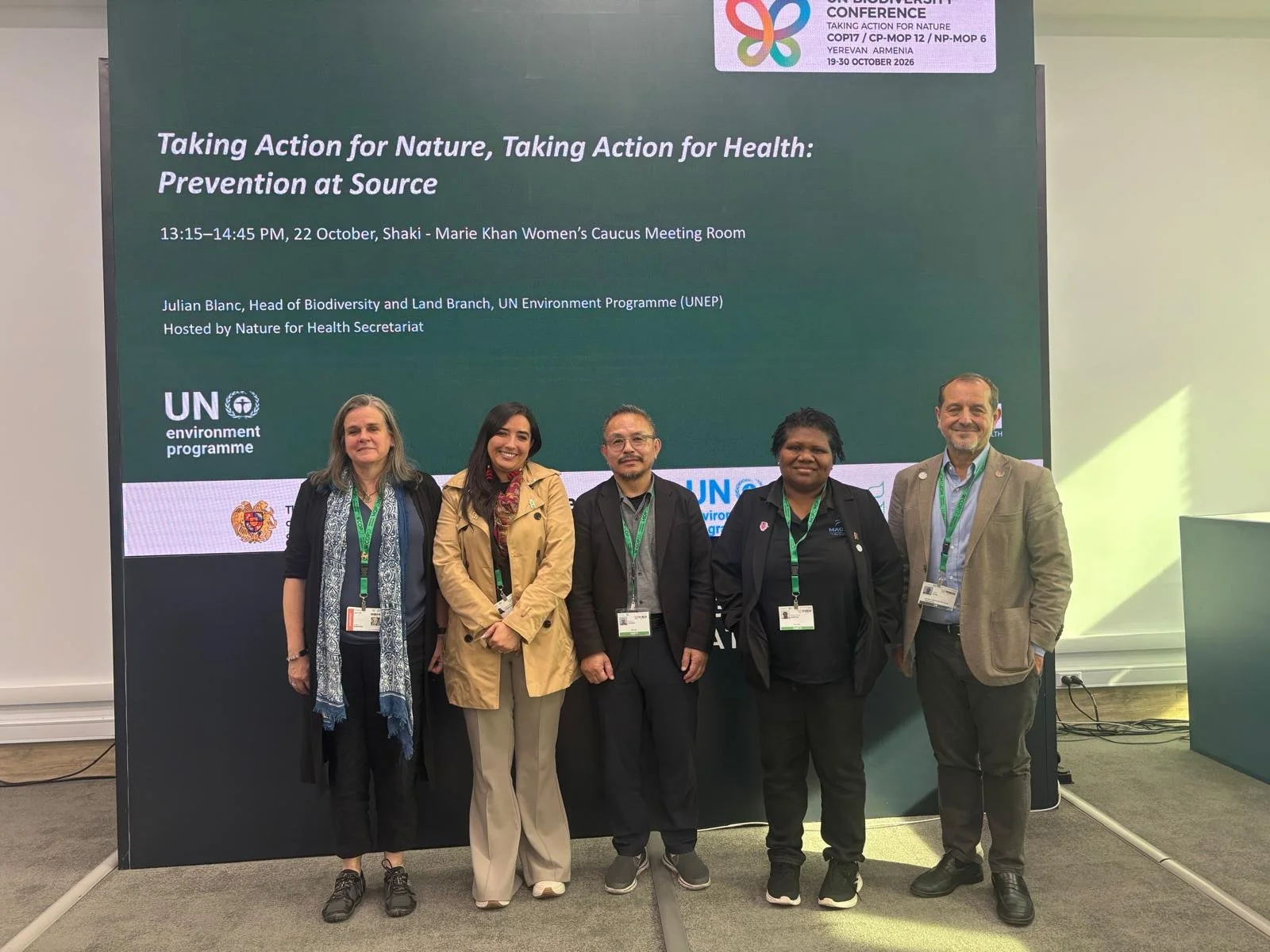
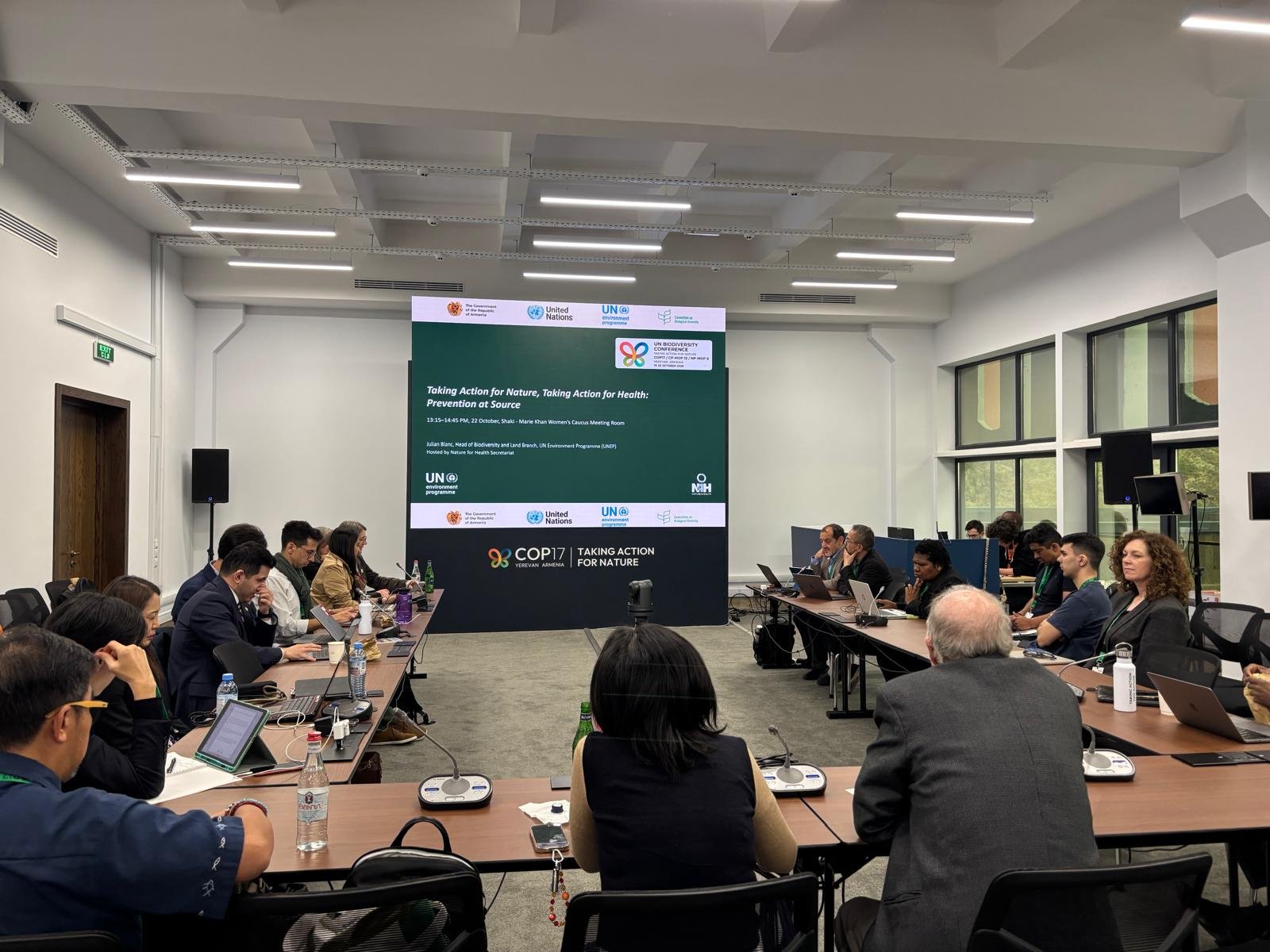
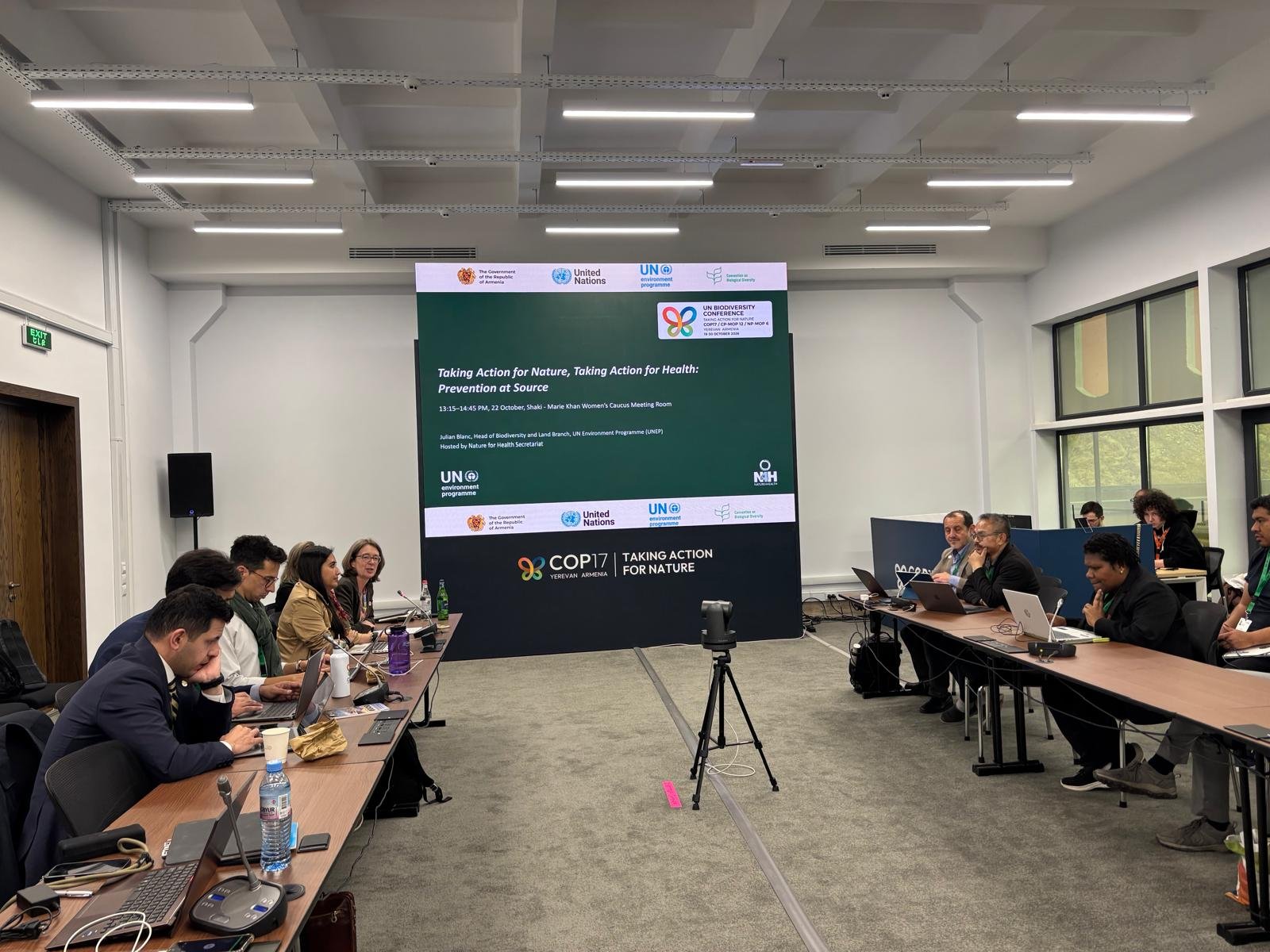
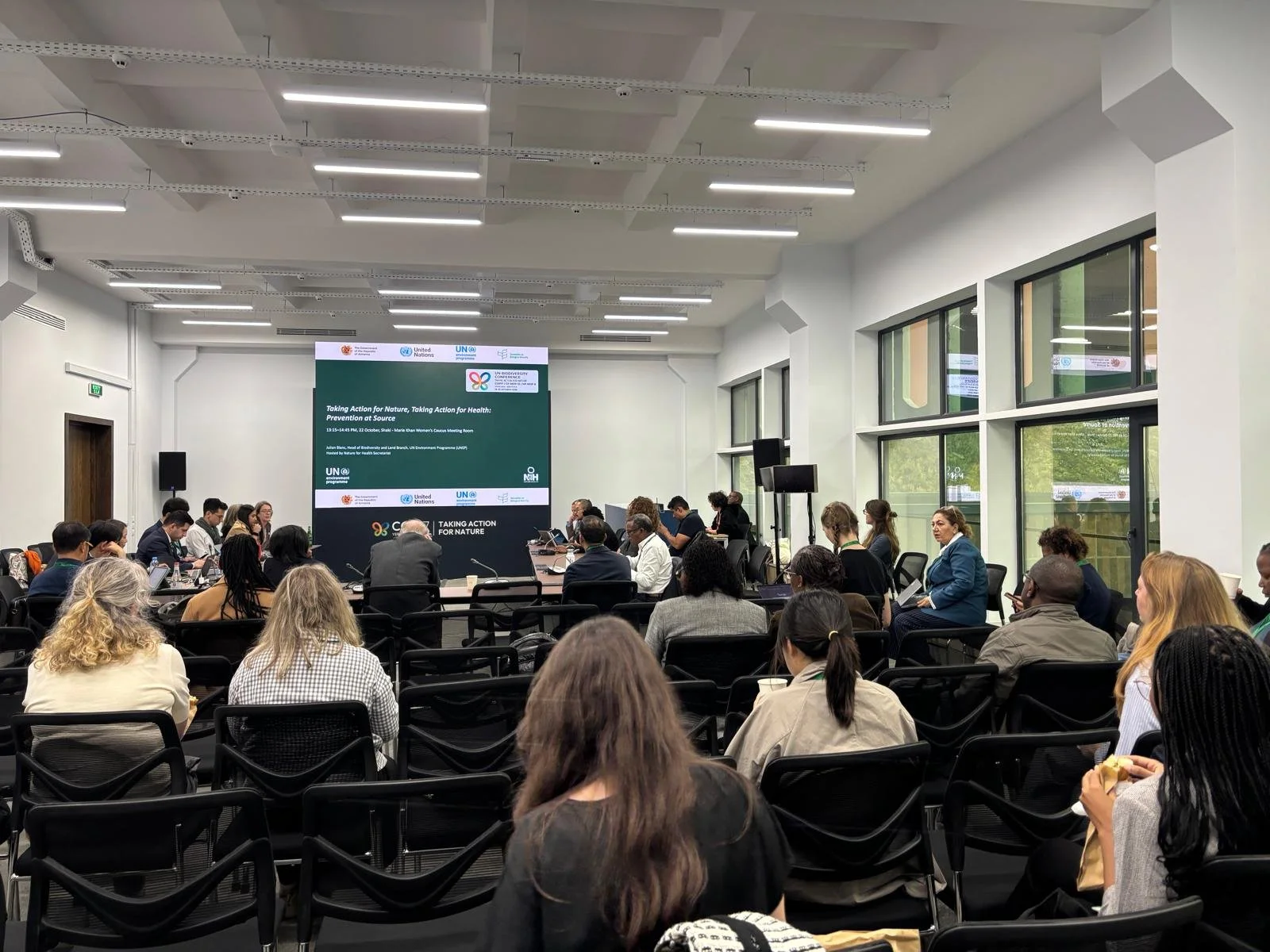
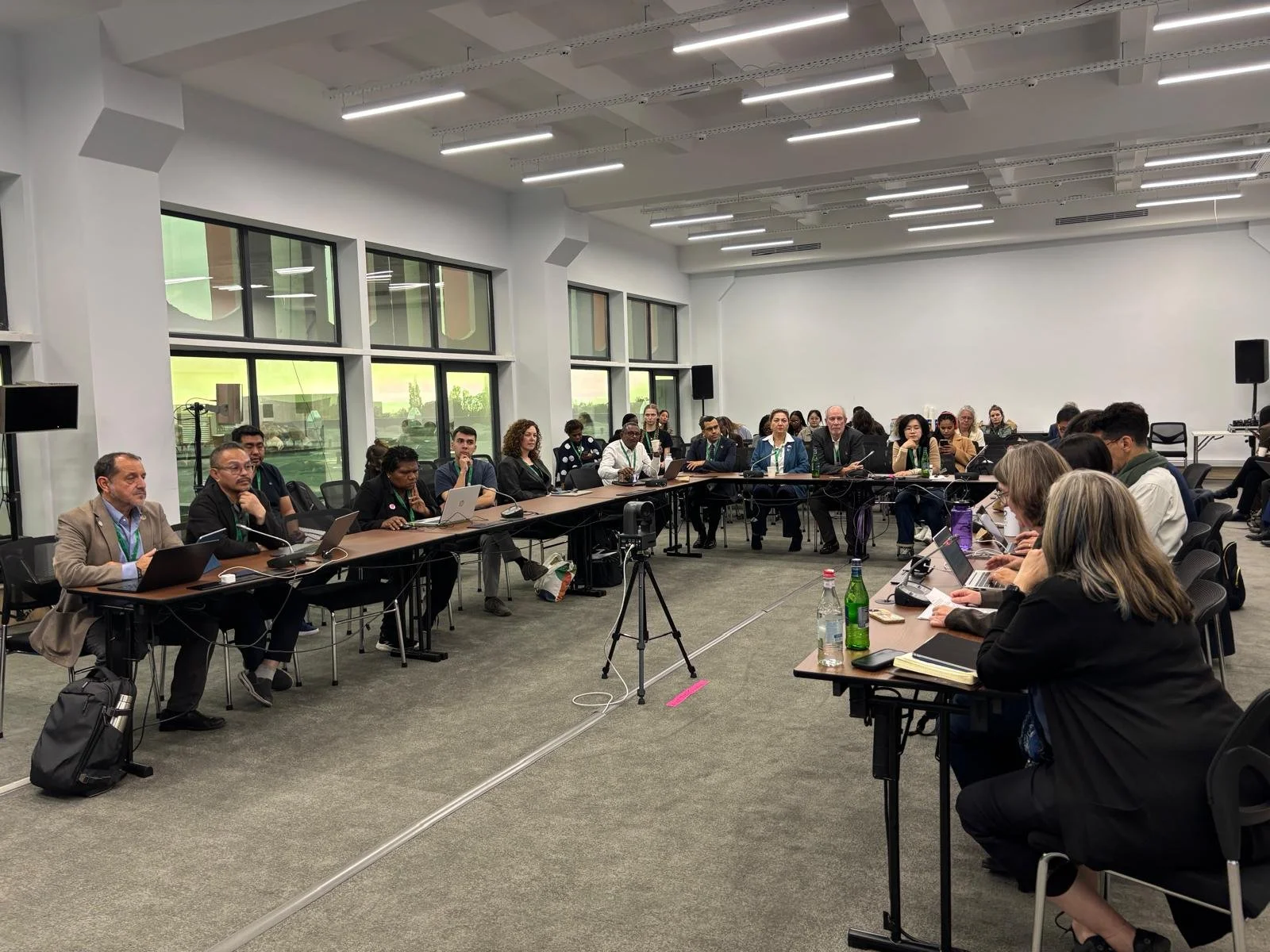
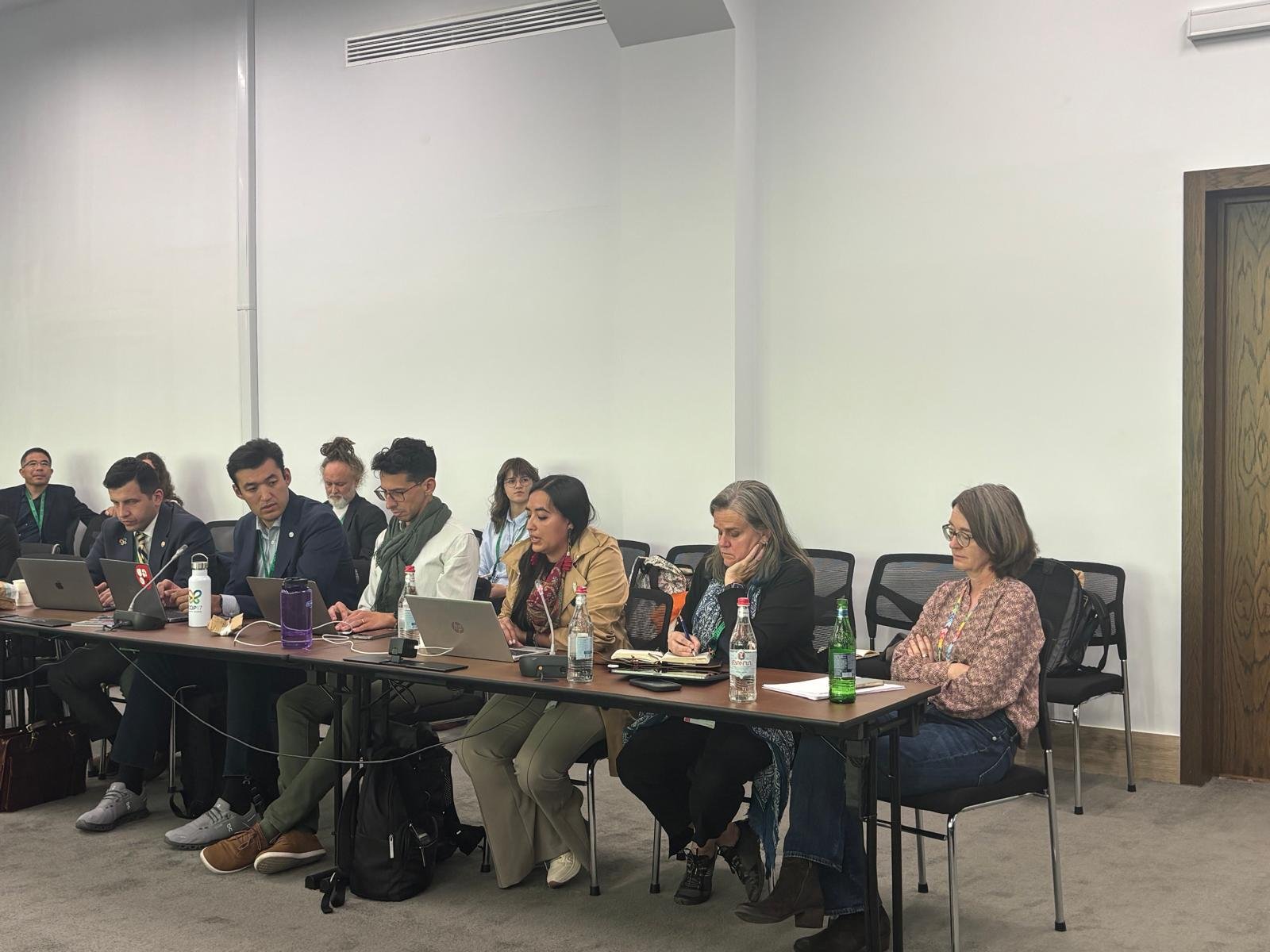
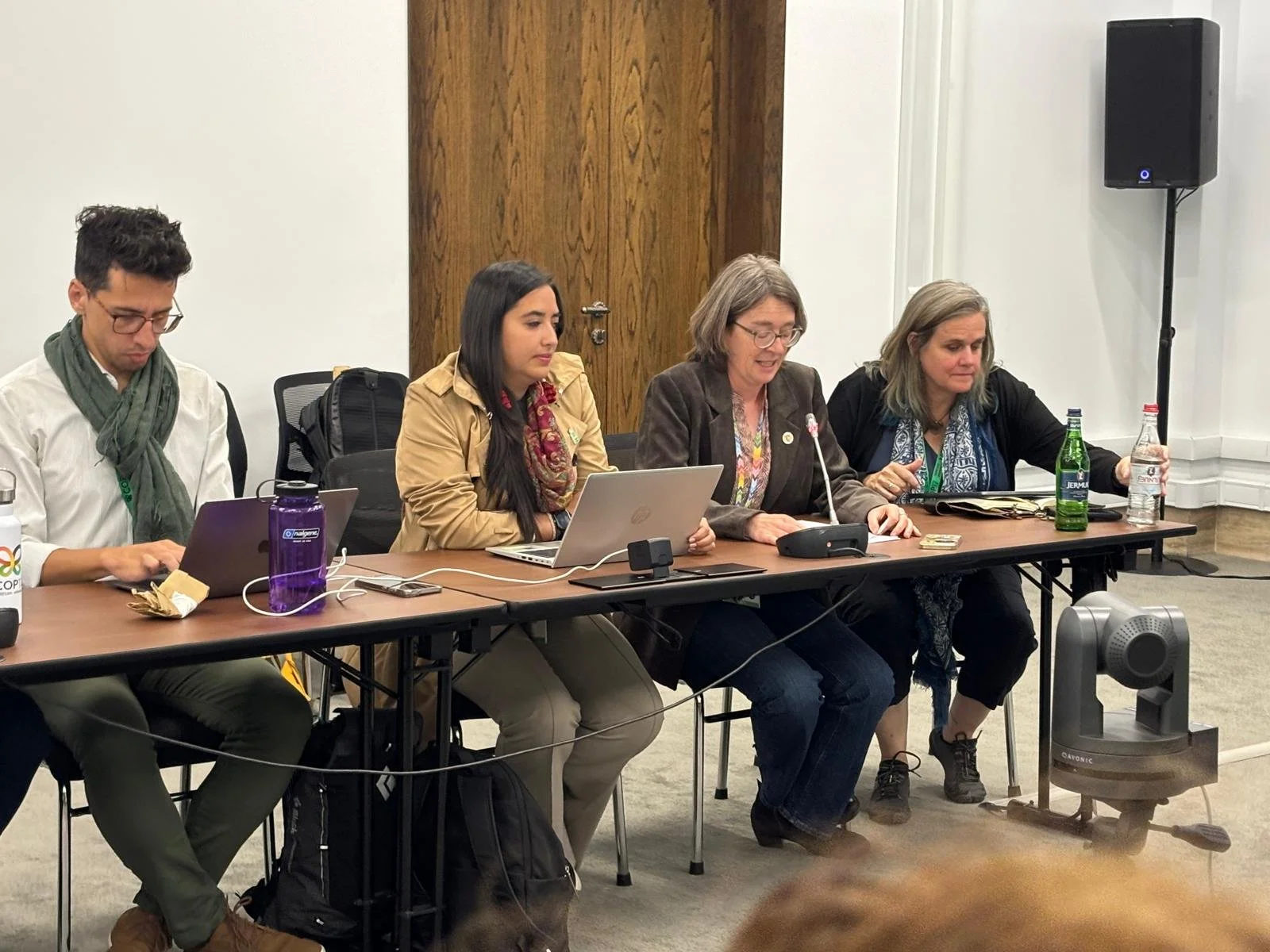
On 22 October in Yerevan, the Nature for Health (N4H) High-Level Side Event at CBD COP17 drew a full room for an open dialogue and exchange on the inextricable links between biodiversity and health. Speakers highlighted that addressing the anthropogenic drivers of environmental change, such as land-use change, biodiversity loss, and unsustainable wildlife management, often means addressing the drivers of disease emergence.
Opening the session on behalf of Germany – which has provided a 50-million-euro seed funding to the N4H Multi Partner Trust Fund – Elke Steinmetz (BMUKN) set the frame: “Taking action for nature is also taking action for health. The health of people, animals and ecosystems is inseparable.” Moderator Julian Blanc (UNEP) grounded the conversation in evidence, including a projected fourfold increase in zoonotic spillover over the next 25 years under current trends, and reminded participants that “acting for nature is acting for health. That is not an aspiration; it is the operational logic of Nature for Health.”
Country voices brought the agenda to life. Dominique Fierro (Ecuador) described a shift from reaction to prevention, with Nature for Health “placing biodiversity conservation and ecosystem health at the heart of public health prevention.” Rolena Stabue (Vanuatu) framed biodiversity as “an investment in the health and dignity of our Pacific people,” while Karma Nyedrup (Bhutan) reminded the room that “in Bhutan, we don’t see biodiversity, climate and health as three separate agendas; they come from the same idea,” adding that “communities are where conservation actually happens.”
Closing the panel, Doreen Robinson, Deputy Director of UNEP’s Ecosystems Division, offered the host agency’s perspective. UNEP’s preliminary analysis of 111 National Biodiversity Strategies and Action Plans (NBSAPs) found that about 40% currently reference One Health, with most including at least one concrete action or target. “We actually have to build an investment case for prevention,” she said, urging the biodiversity community to “connect the dots rather than create new structures” and to make upstream prevention “practical, not just conceptual.” The Global Action Plan on Biodiversity and Health, adopted at CBD COP16 in Cali, now needs country-led delivery. N4H, currently working across 12 jurisdictions over two overlapping phases and with plans to reach a total of 18 countries by 2030, offers one of the first operational routes to make that happen. More at nature4health.org.