Bhutan
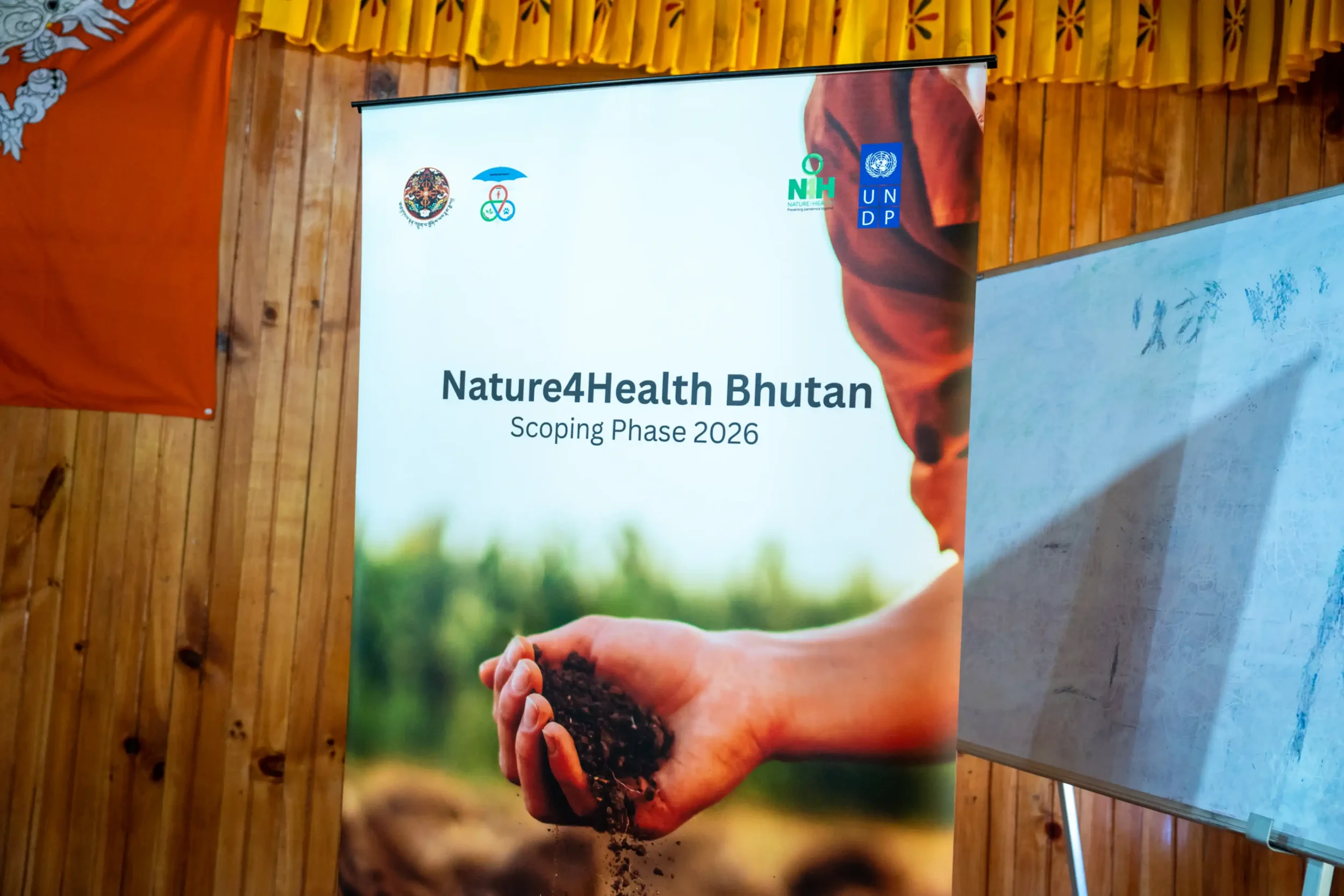
Nature4Health Begins Scoping in Bhutan
Haa, Bhutan: 22–24 July 2026
When representatives from six districts - Haa, Thimphu, Samtse, Paro, Gasa, and Chukha - gathered in the Haa Valley this July, they weren't there for the usual sectoral meeting. Livestock officers sat beside forestry rangers, public health specialists beside biodiversity experts, and community representatives beside disaster management officials. All were there for one question: where, exactly, do people, animals, and the environment come into contact in ways that could spark the next zoonotic outbreak, and what can be done about it?
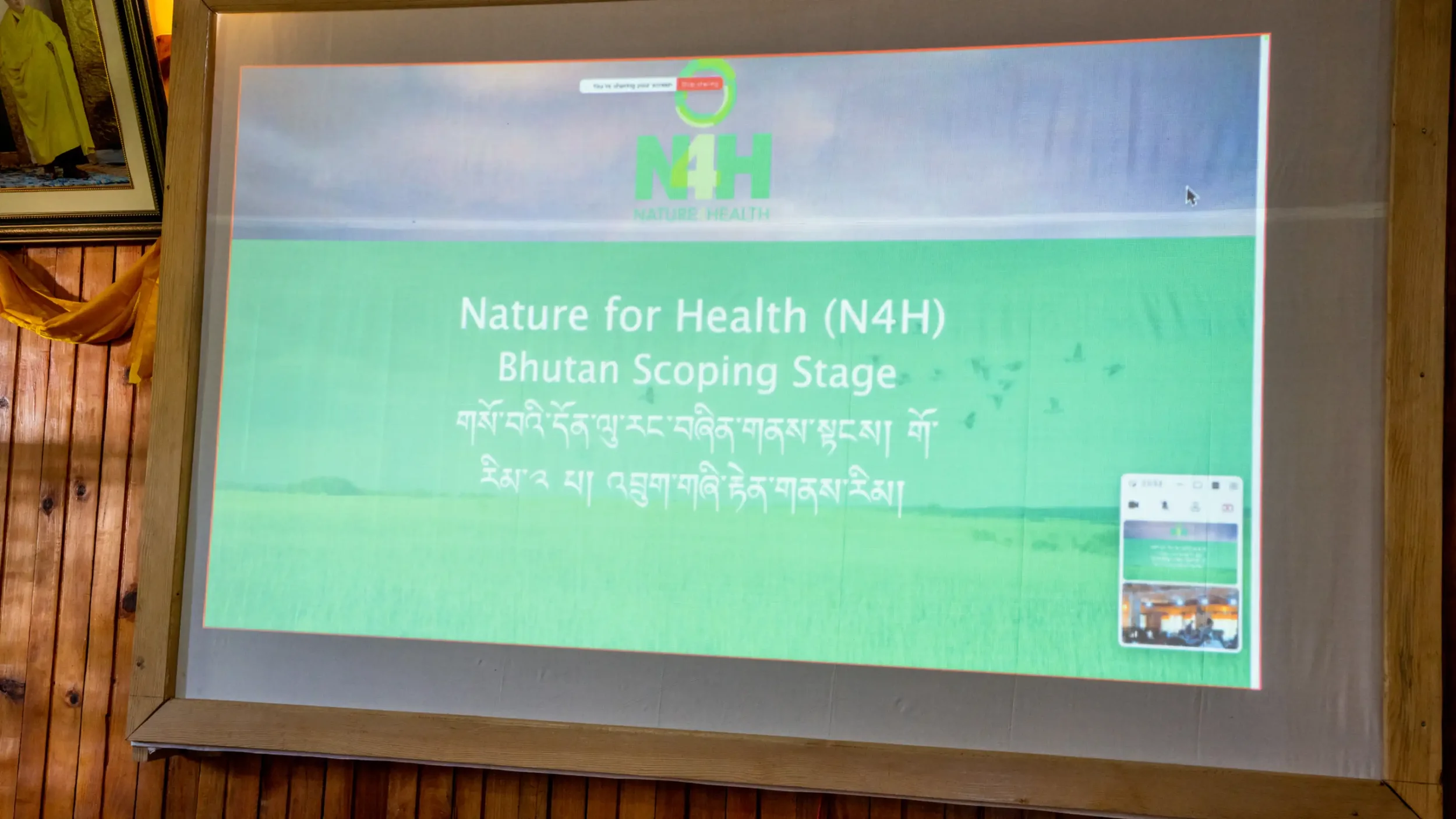
This was Regional Workshop 1 in Bhutan's Nature for Health (N4H) scoping process — the first of four regional consultations shaping the country's upcoming N4H Implementation Project Document.
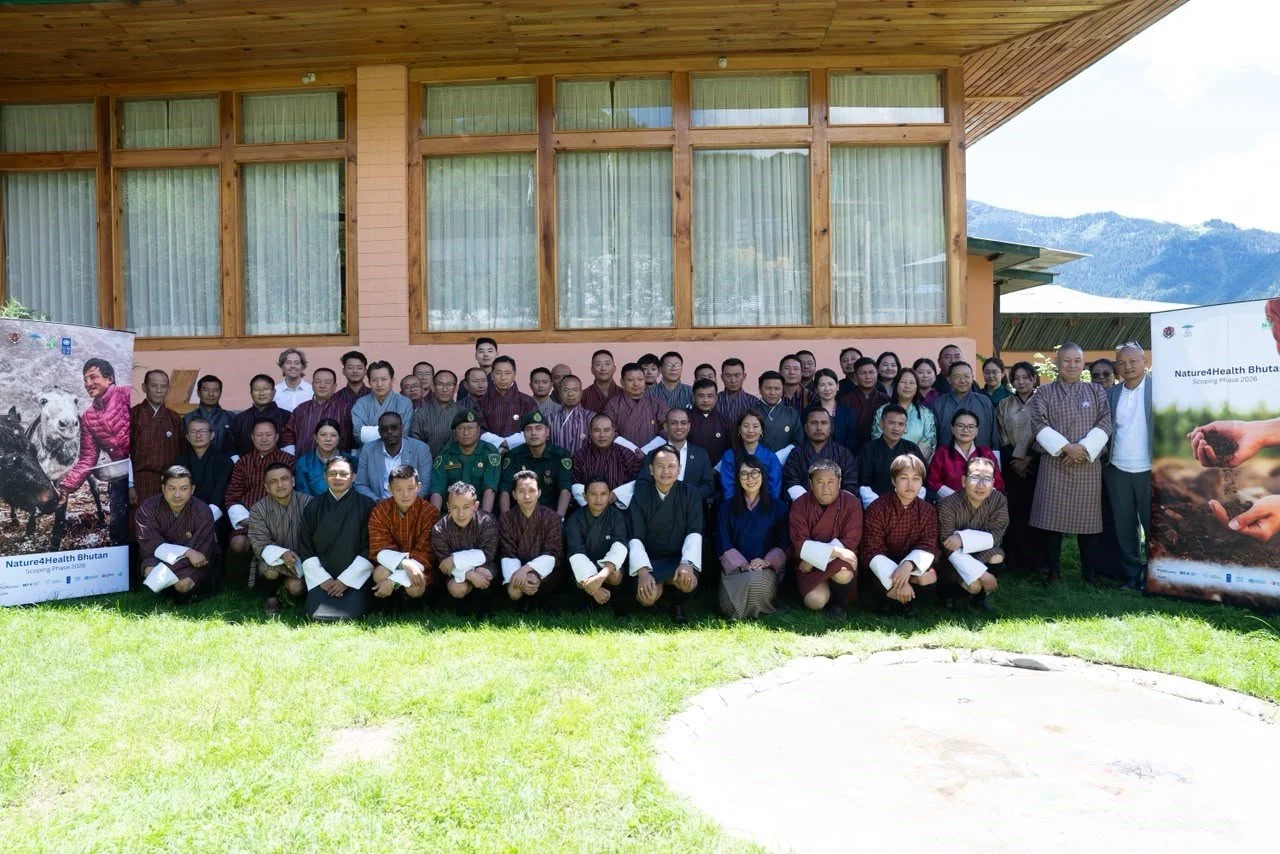
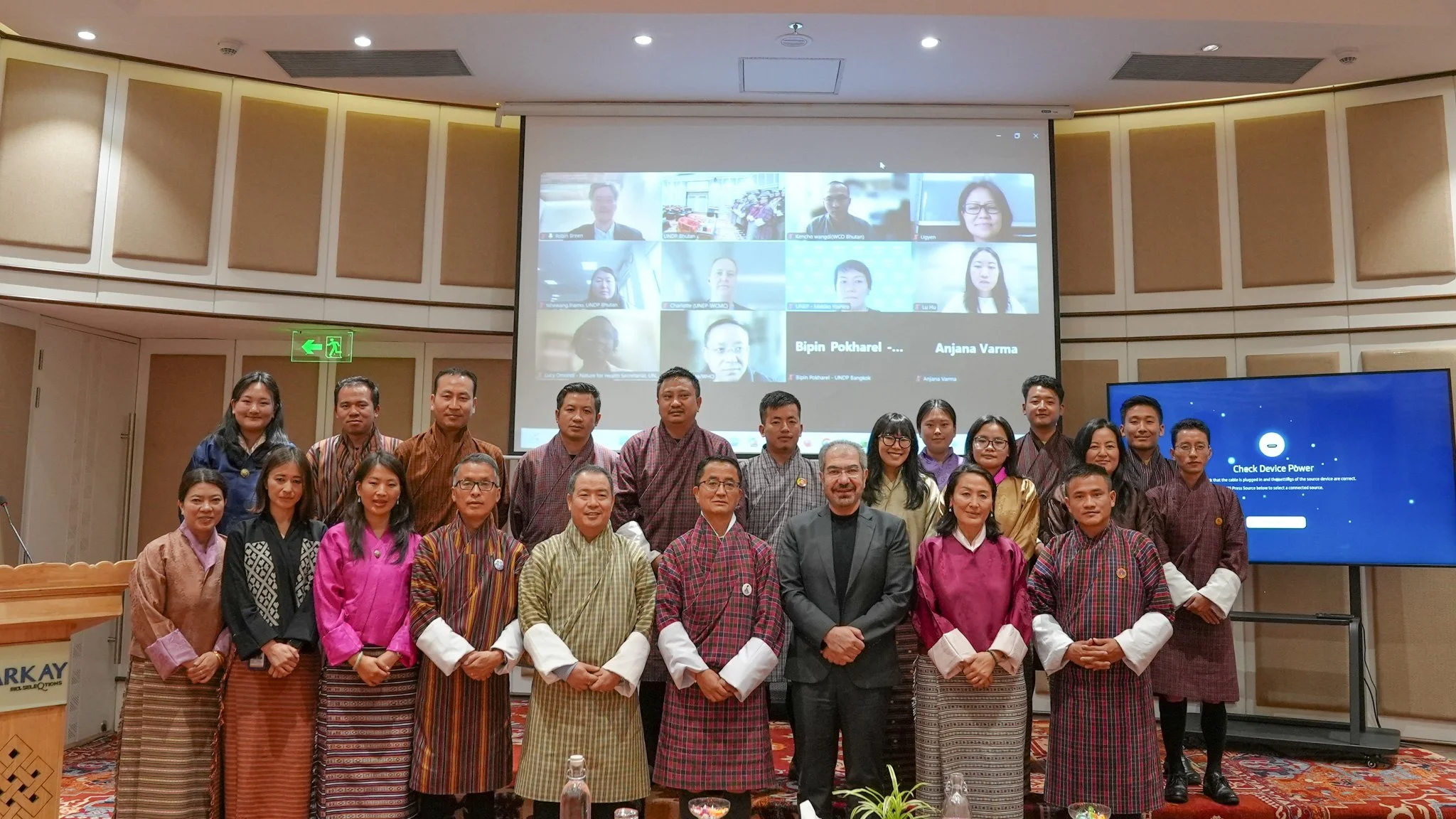
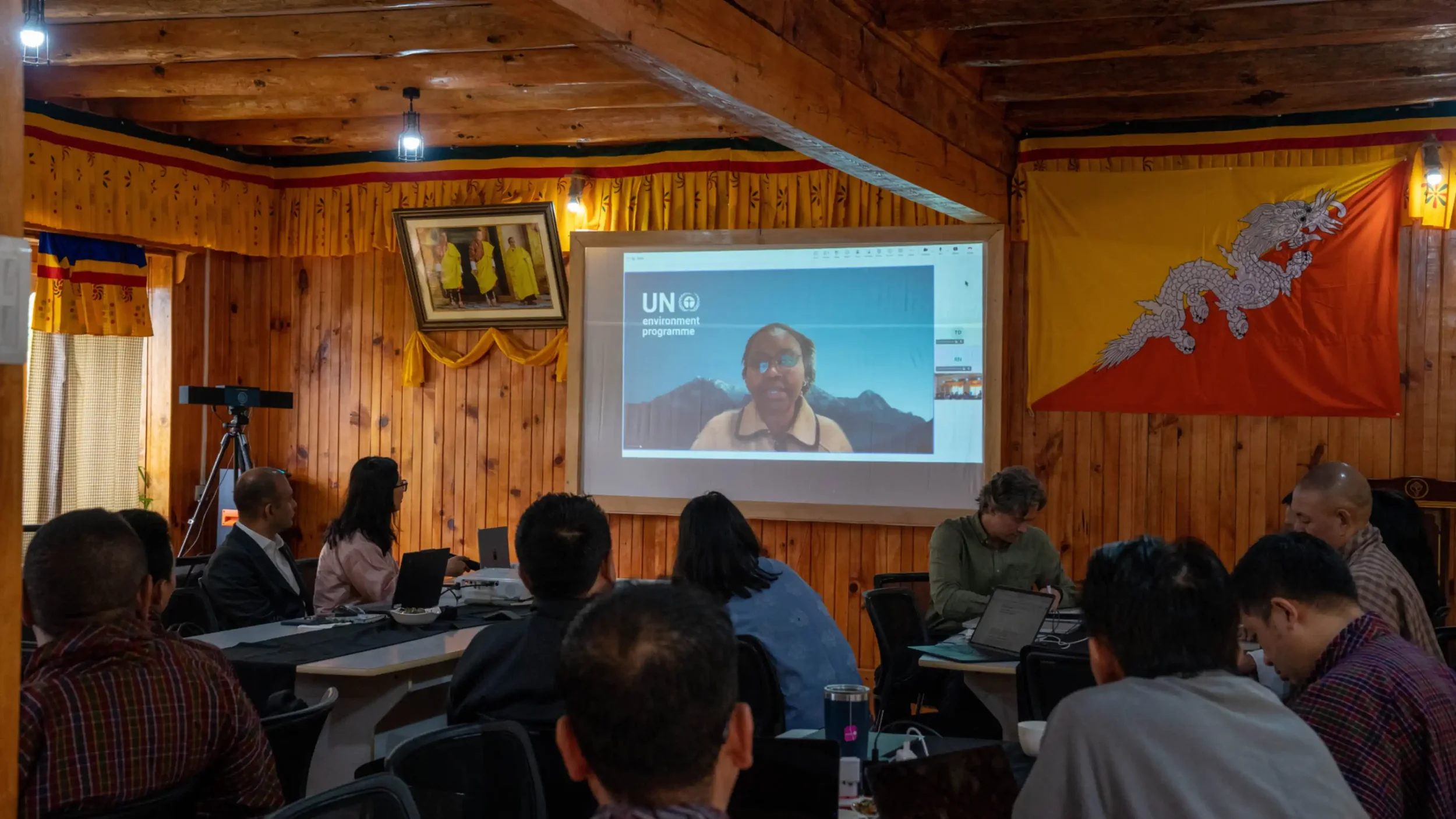
Group photograph of participants at N4H Regional Workshop 1 – Haa; Over 60 participants from 10+ agencies across 6 districts attended the workshop; N4H Secretariat as well as other convening partners joined virtually.

Why N4H, and Why Now
In Bhutan, N4H will support the transition to integrated Nature–Health approaches, aligned with the CBD Global Biodiversity Framework, Bhutan’s NBSAP 2025–2030, and ongoing efforts to implement the Global Action Plan on Biodiversity and Health.
The initiative also offers an opportunity to generate evidence and strengthen linkages with national climate and environmental commitments, including the UNFCCC, UNCCD, NDC 3, NAP, and HNAP.
It reinforces national ownership by supporting the implementation of Bhutan’s One Health Strategic Plan (2026–2030), complementing existing and future investment pipelines, and advancing Bhutan’s priorities under the 13th Five-Year Plan.
The Ministry of Agriculture and Livestock serves as the national lead for N4H and has facilitated engagement with Bhutan’s One Health governance architecture, including the Inter-Ministerial Committee on One Health (IMCOH).
Since the scoping phase launched in May 2026, N4H has fostered strong political ownership and engagement across the human, animal, and environmental health sectors. The first regional workshop underscored the value of systems thinking and the need to move beyond sector-based planning towards integrated “deep prevention” approaches that address the upstream drivers of health risks.
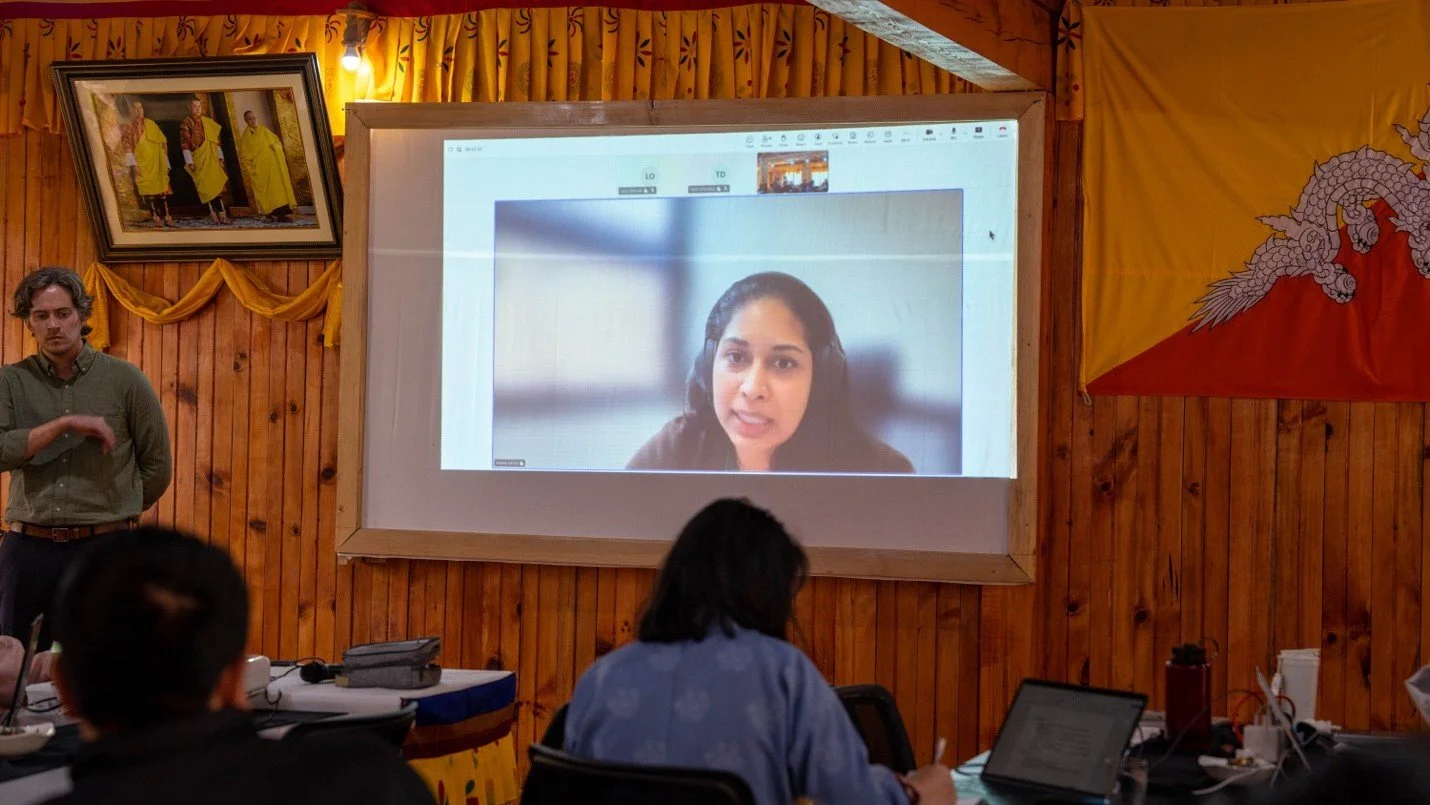
Anjana Varma, Head of N4H Secretariat, interacts with participants virtually
Opening the workshop, UNDP's Regional Technical Advisor from the Planet Hub placed the gathering in a wider context, noting that Bhutan became not only one of the 12 Nature4Health projects worldwide but also the first in South Asia when the project officially launched in Thimphu in May. As the RTA told participants:
"We know that prevention is more effective, more affordable, and more humane than responding to an outbreak. What remains less certain is where investments should be prioritised, and what practical, locally appropriate solutions will have the greatest impacts."
And on the stakes of the three days ahead:
"What happens in this room and during these consultations in Bhutan are the building blocks of a pandemic-resilient world in the future. So your inputs and active participation have global implications!"
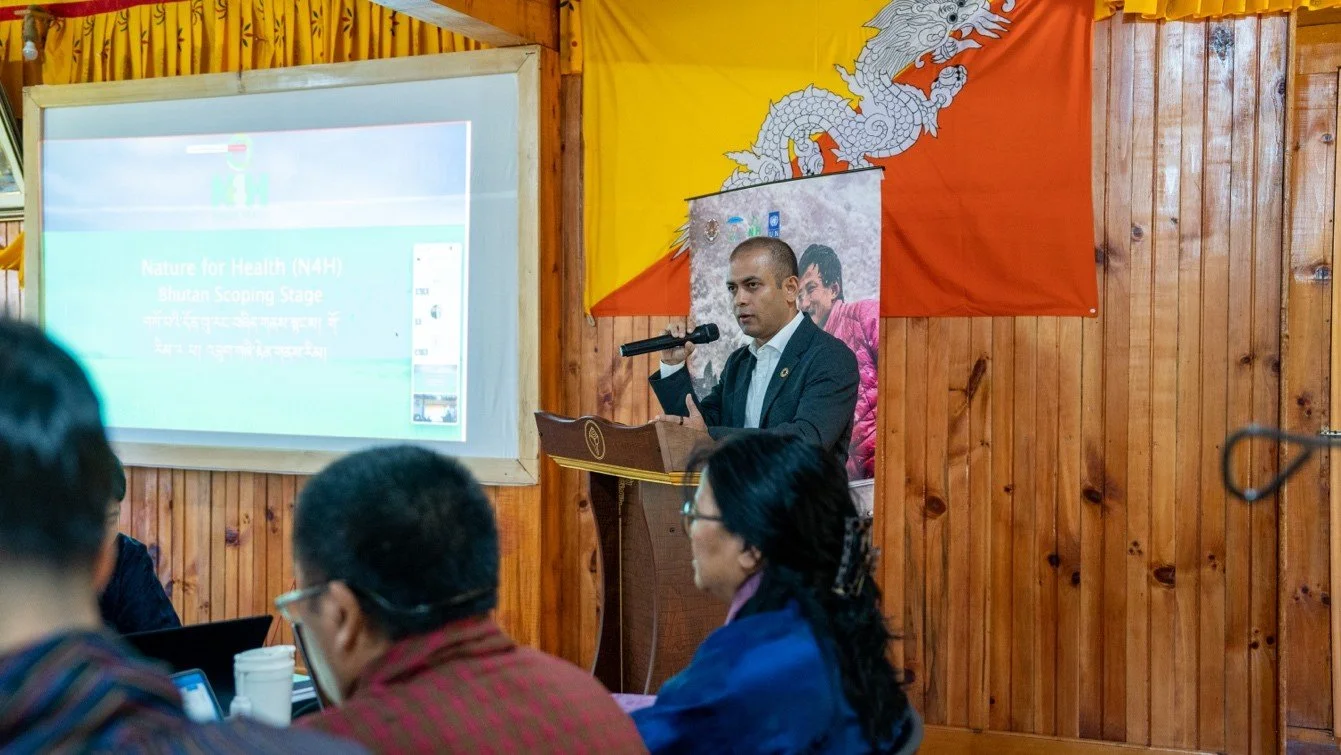
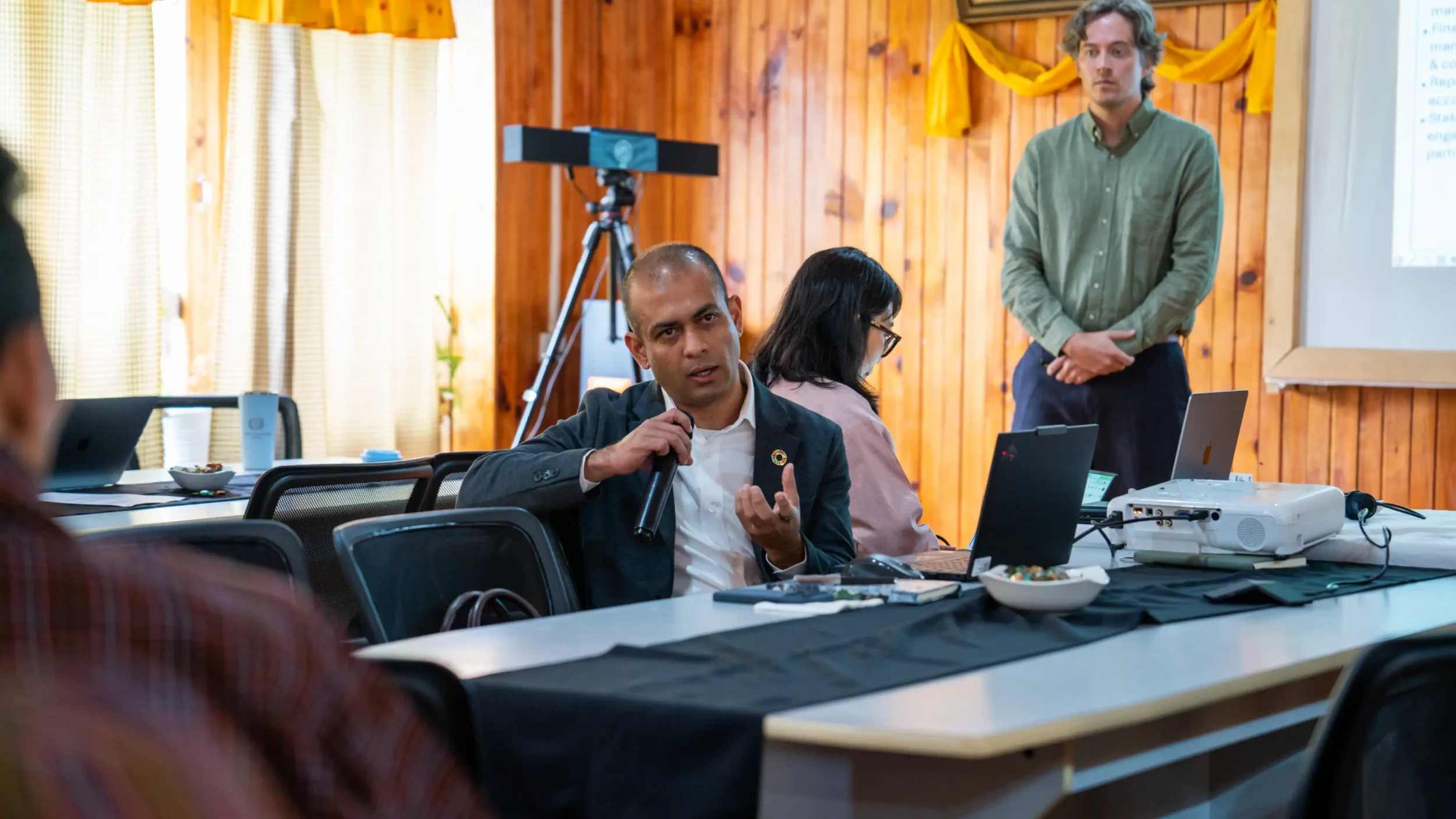
Bipin Pokharel, Regional Technical Adviser, UNDP Planet Hub, speaks to workshop participants;
Robin Breen, Systems Facilitator makes a presentation on N4H’s Systemic Practice approaches and tenents of deep prevention
Inside the Workshop
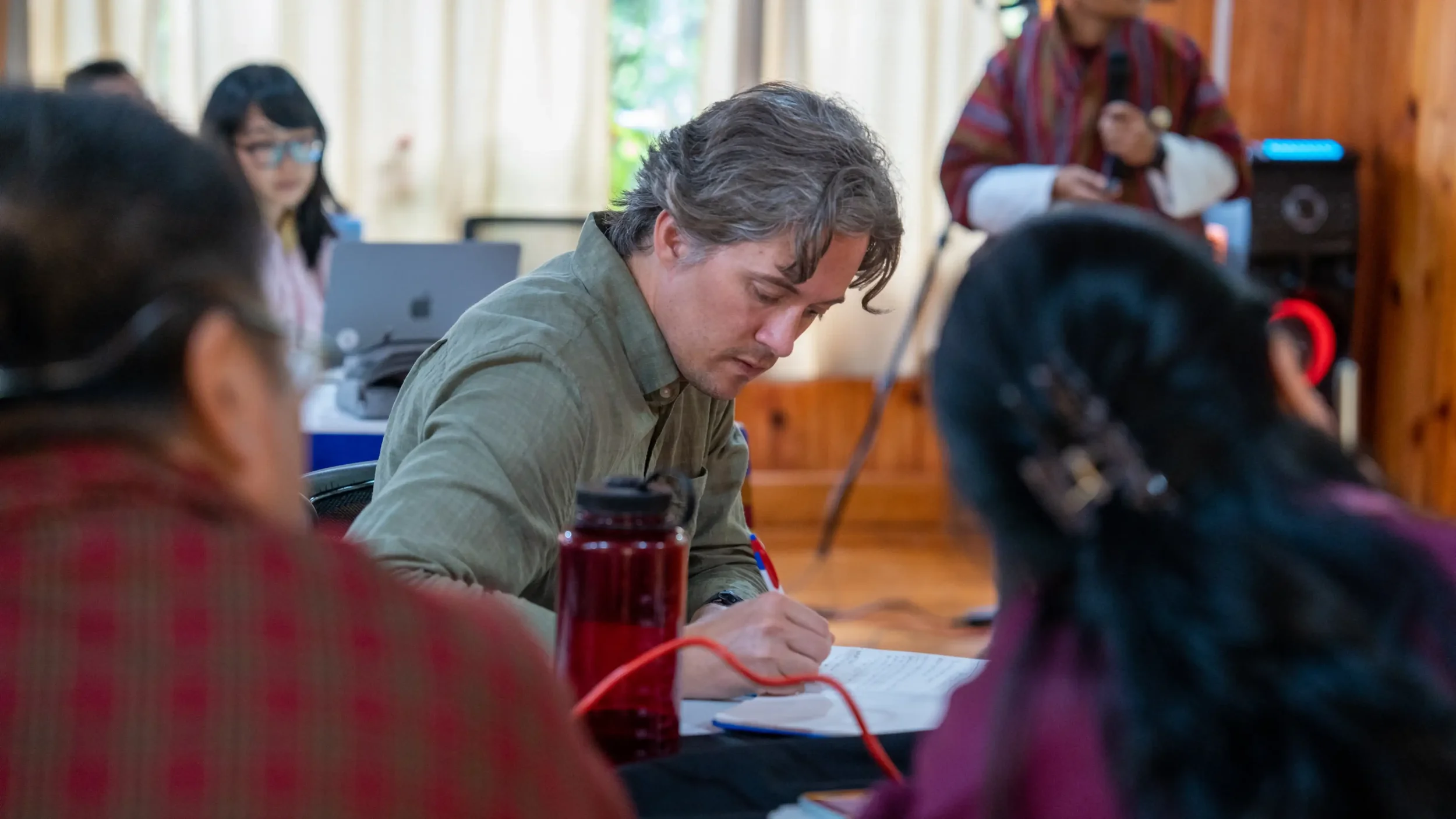
More than 60 participants from over ten sectors - livestock, agriculture, the environment and climate change, forestry, food and drug regulation, public health, local government, and community representatives - took part over three days.
Day 1
This day brought together the Core Team for the N4H Scoping process in Bhutan, with a dedicated day to ground participants in the systemic practice and tenets of critical systems heuristics of Nature for Health, as well as sessions on gender-sensitive and safe programming.
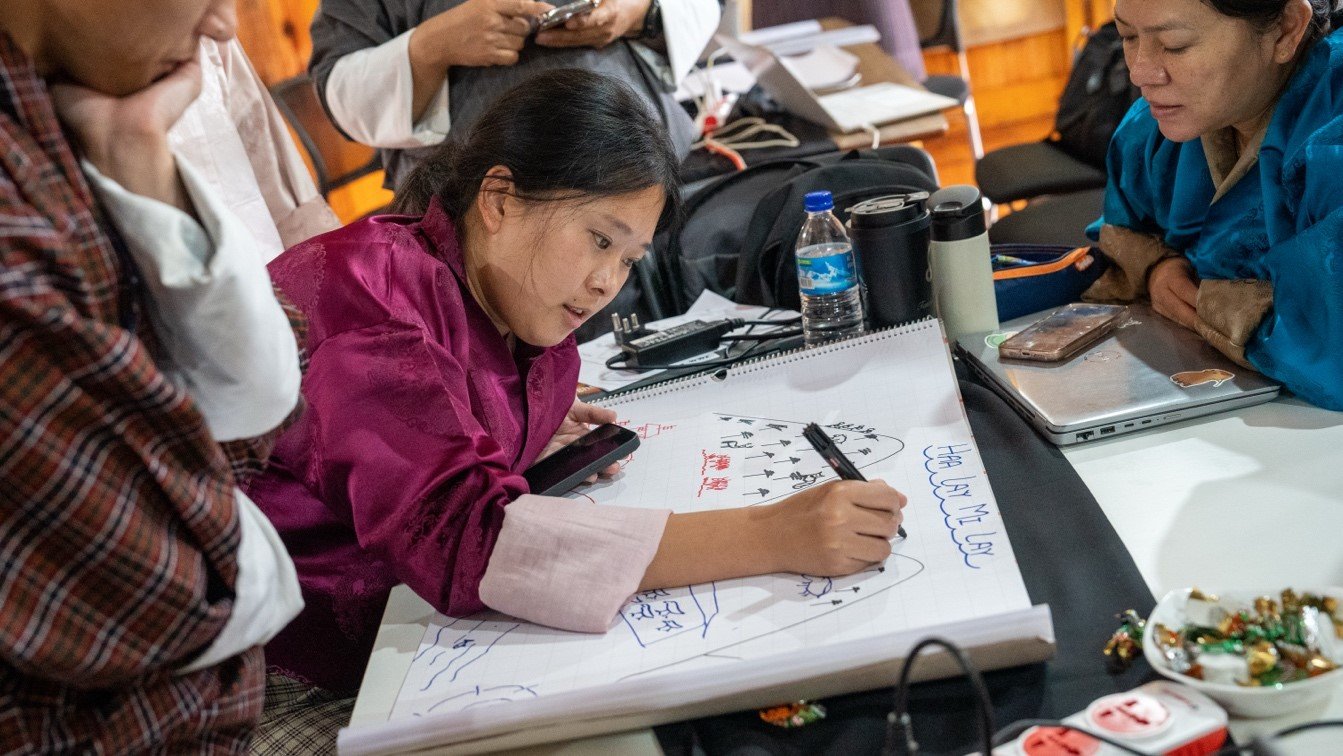
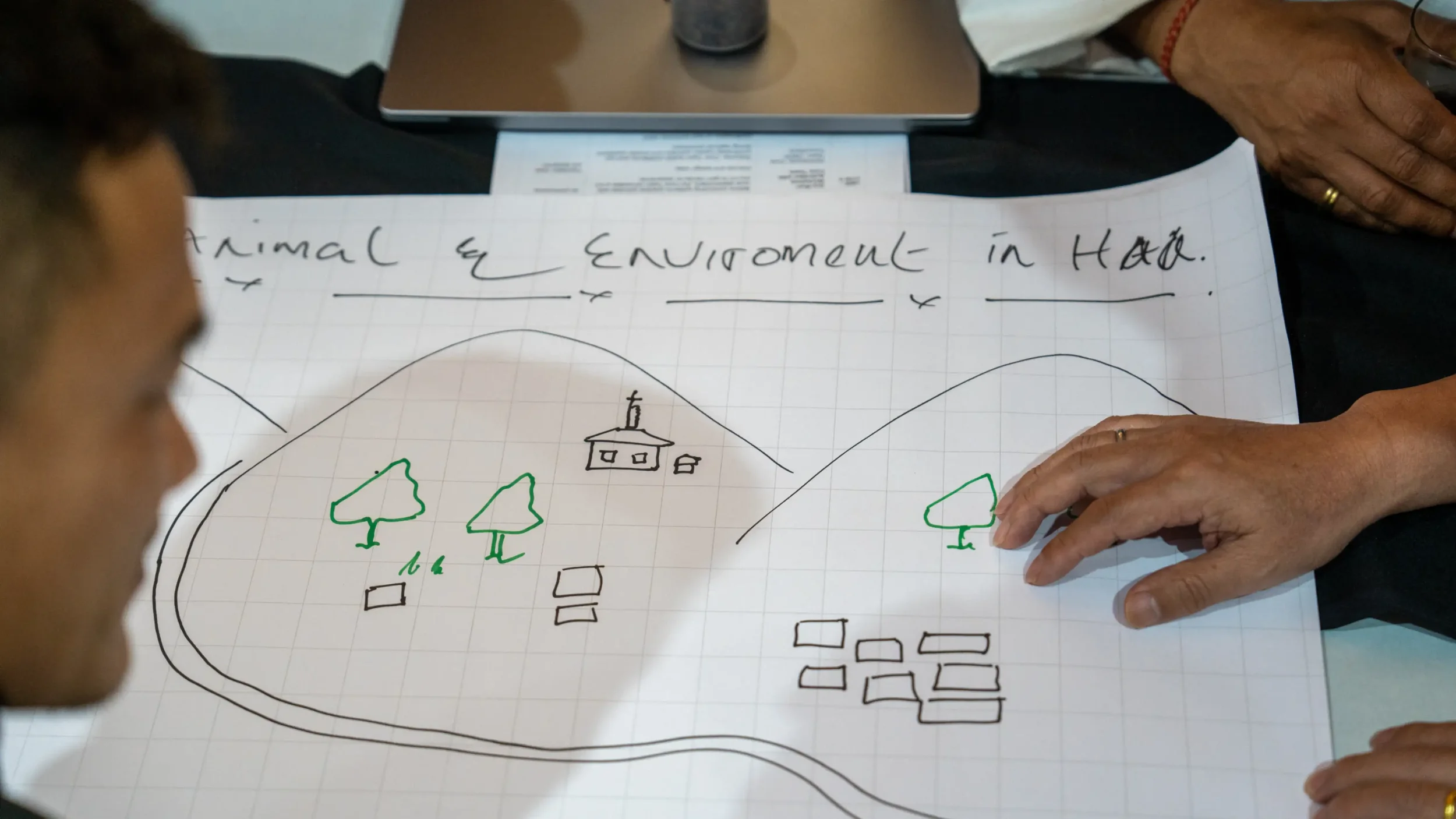
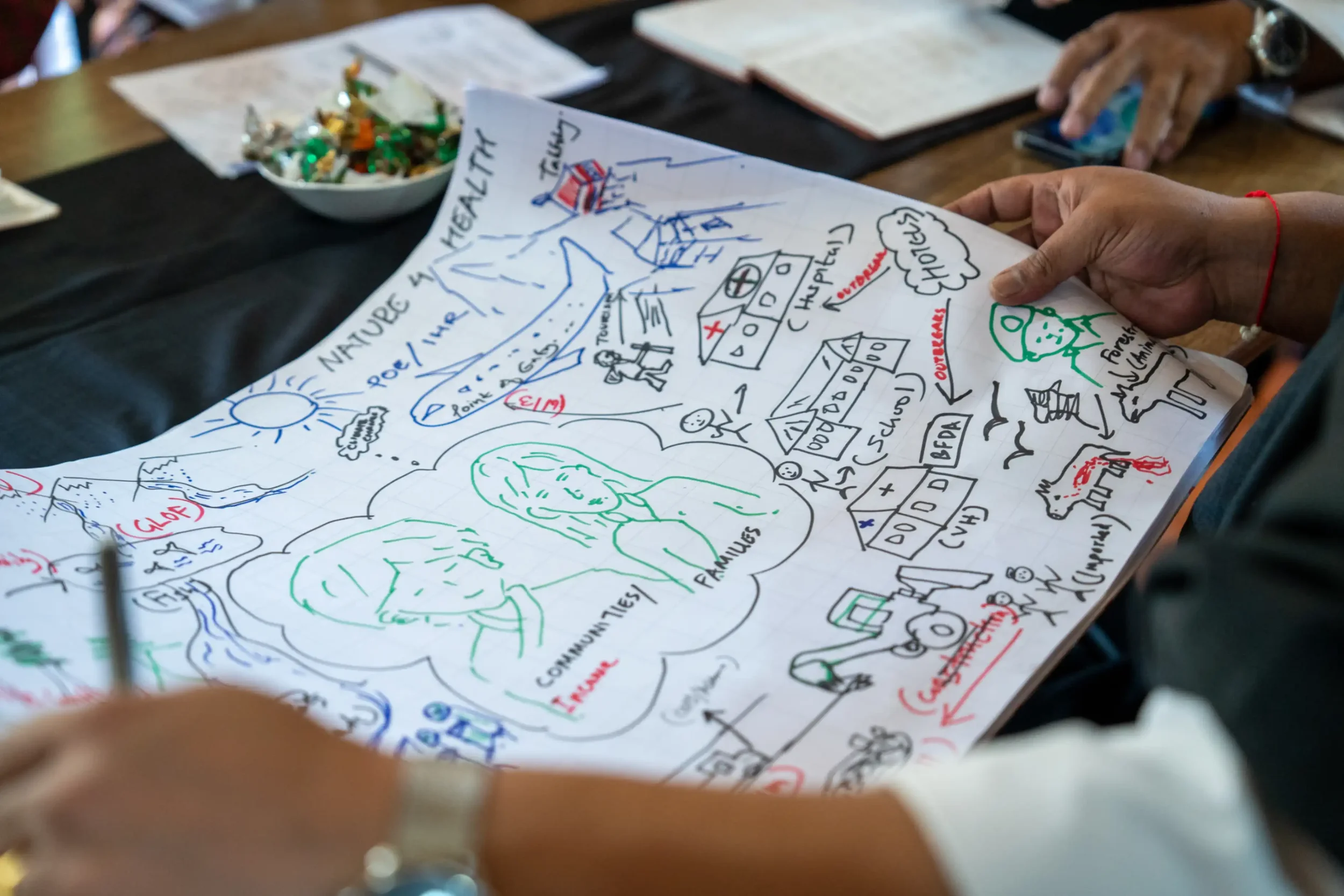
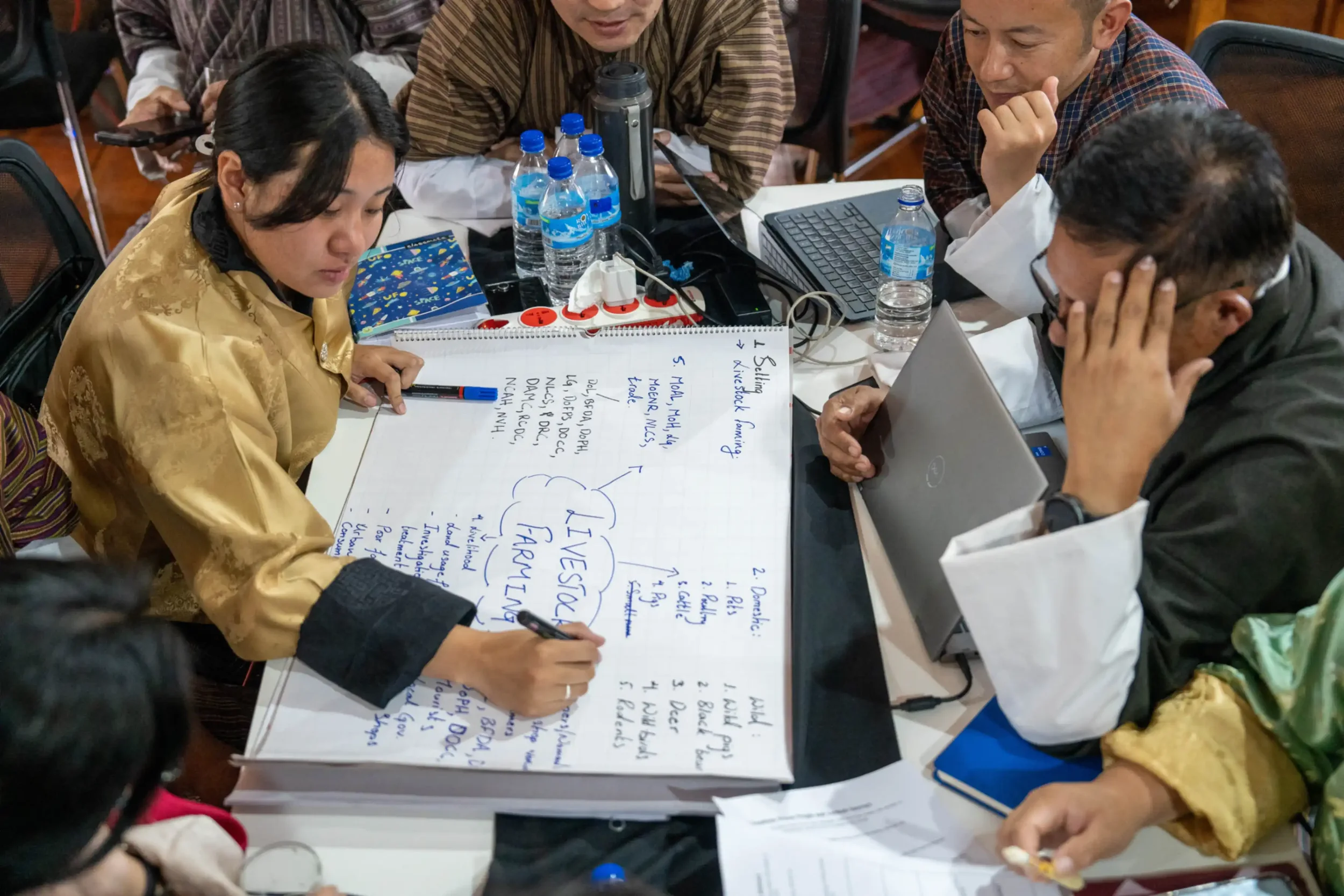
Rich Picture drawing by Haa District group
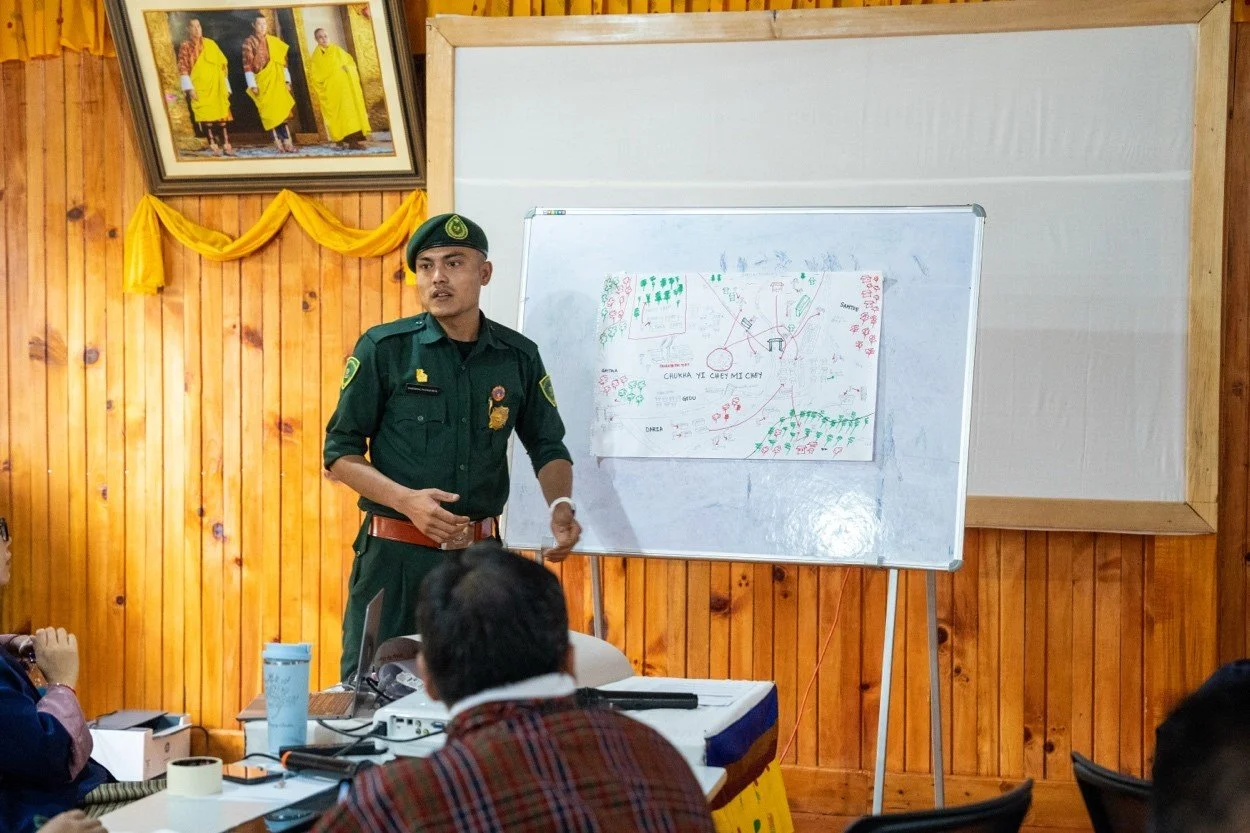
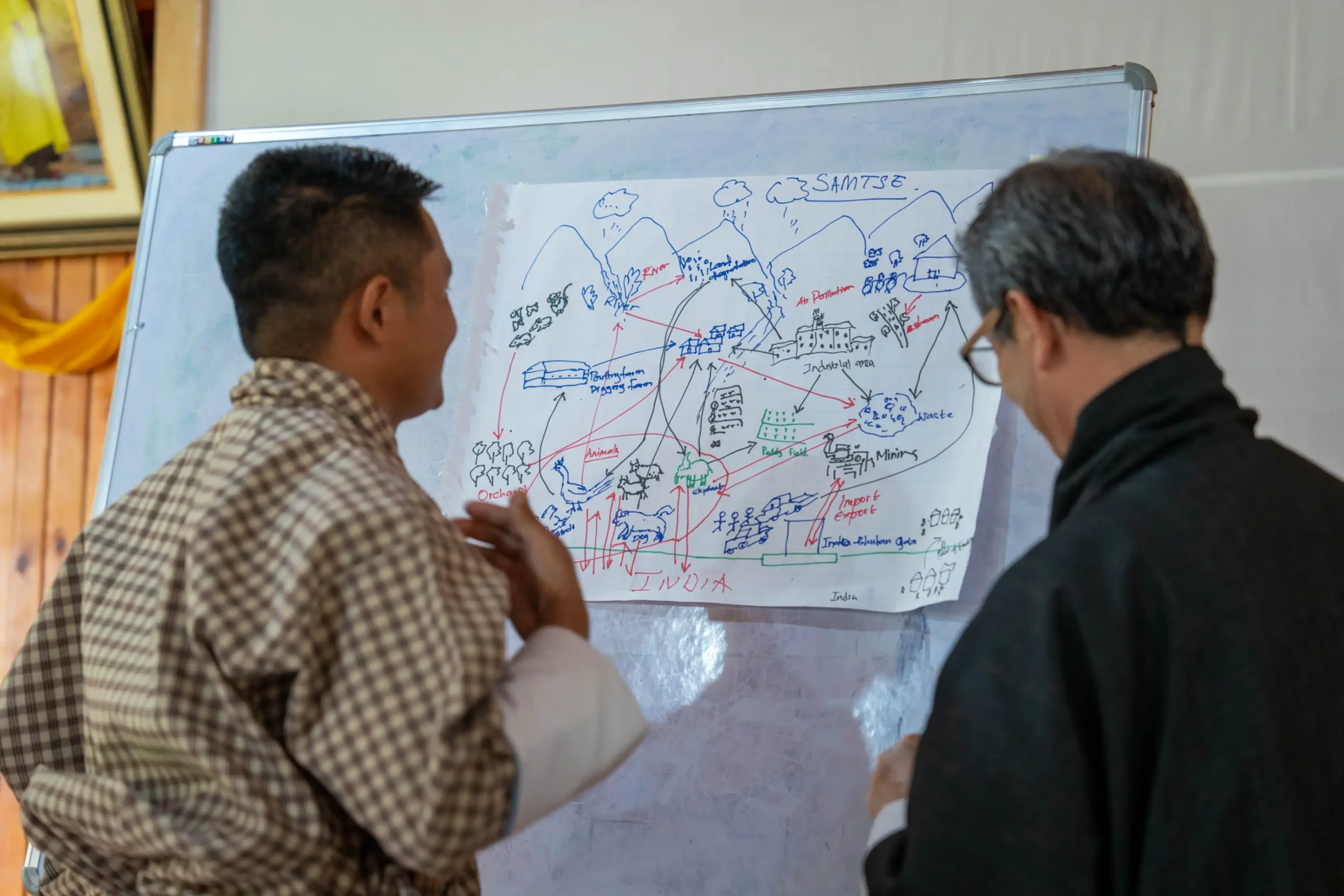
Rich Picture presentation by Chhukha District
Day 2
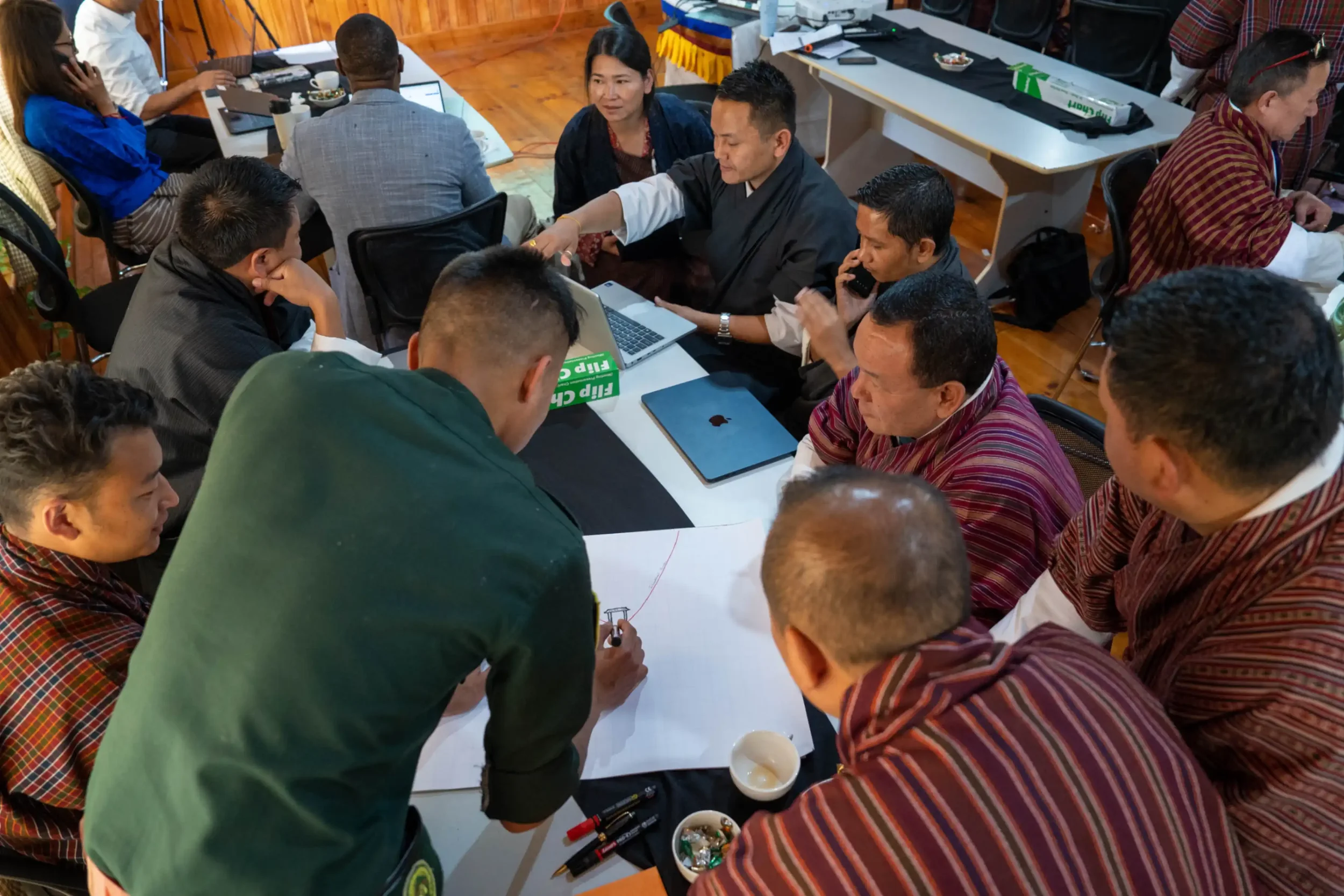
This day began with the workshop's signature method: Rich Picture mapping, a hand-drawn, participatory exercise in which district groups sketched the people, animals, and environment around them, and how these relationships have shifted over time. From there, groups moved on to identifying specific situations - grazing patterns, market interactions, forest-edge encounters - where humans and animals interact most closely, and the stakeholders positioned to act on them.
Day 3
This day shifted from mapping problems to identifying solutions. The appreciative inquiry session asked participants to reflect on what is already working in Bhutan's One Health space - surfacing a preliminary list of ongoing initiatives that N4H could build on rather than duplicate.
The final session brought everything together: using the rich pictures and interaction points identified on Day 1, groups worked through realistic, on-the-ground actions to reduce spillover risk, with close attention to land use and environmental drivers.
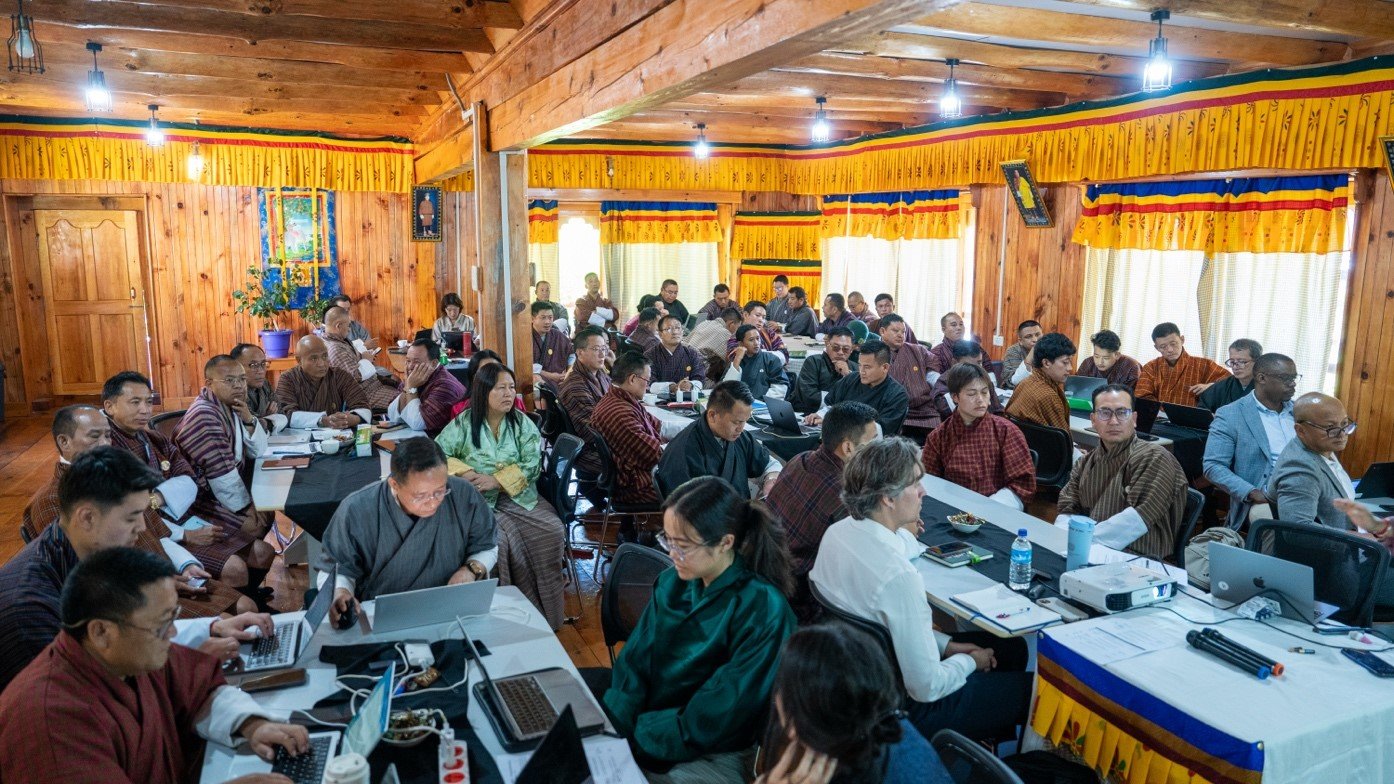
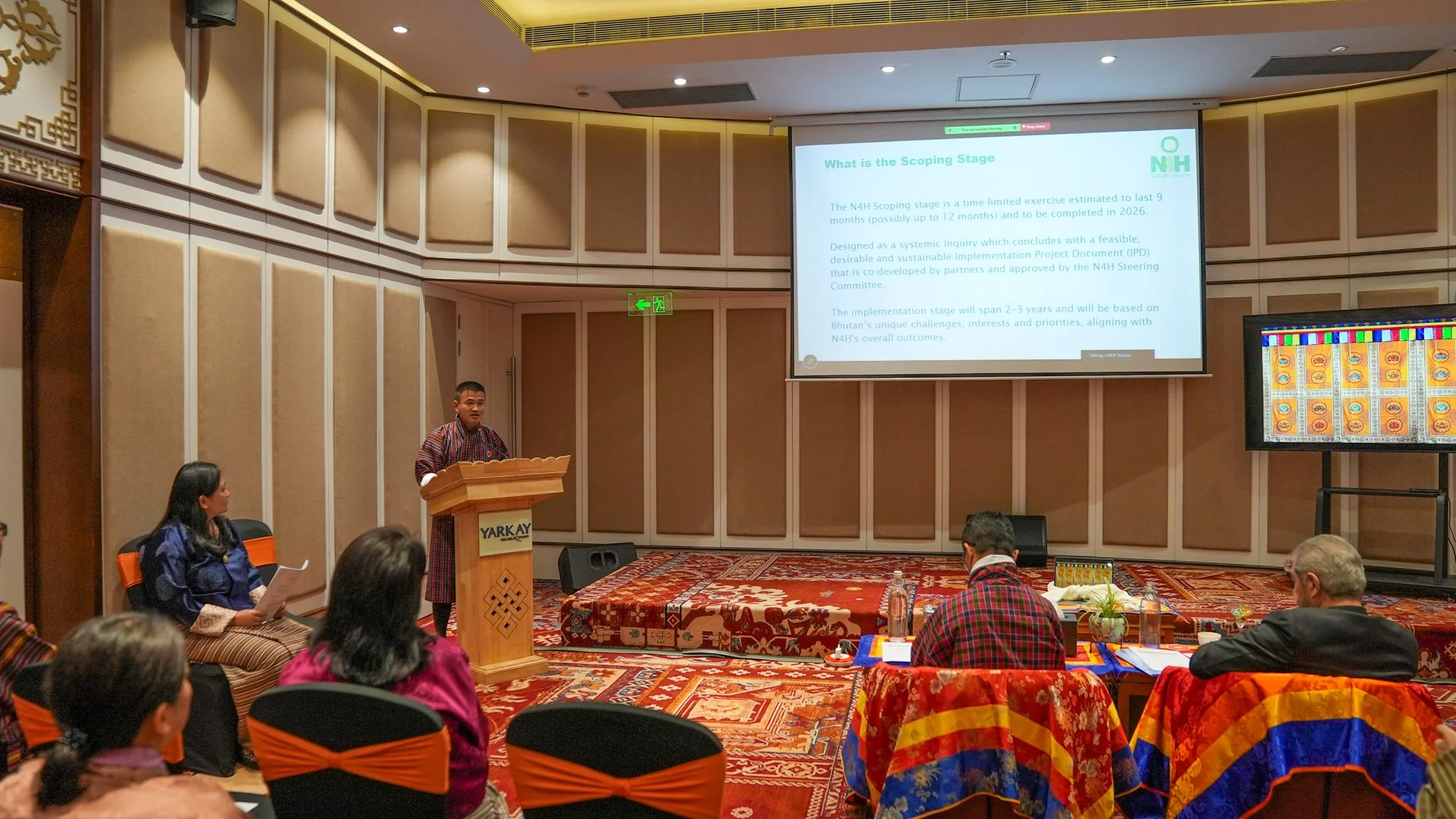
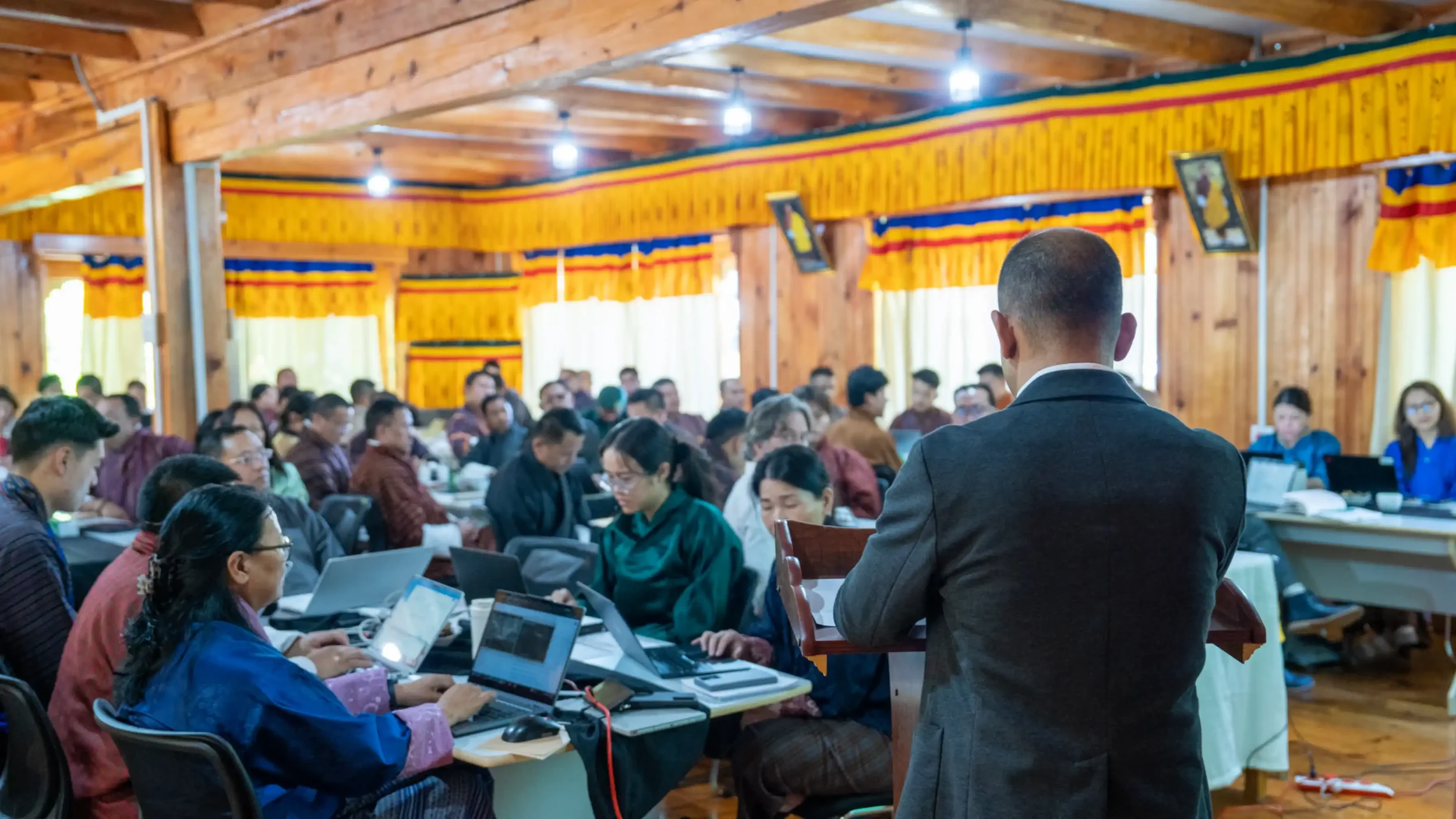
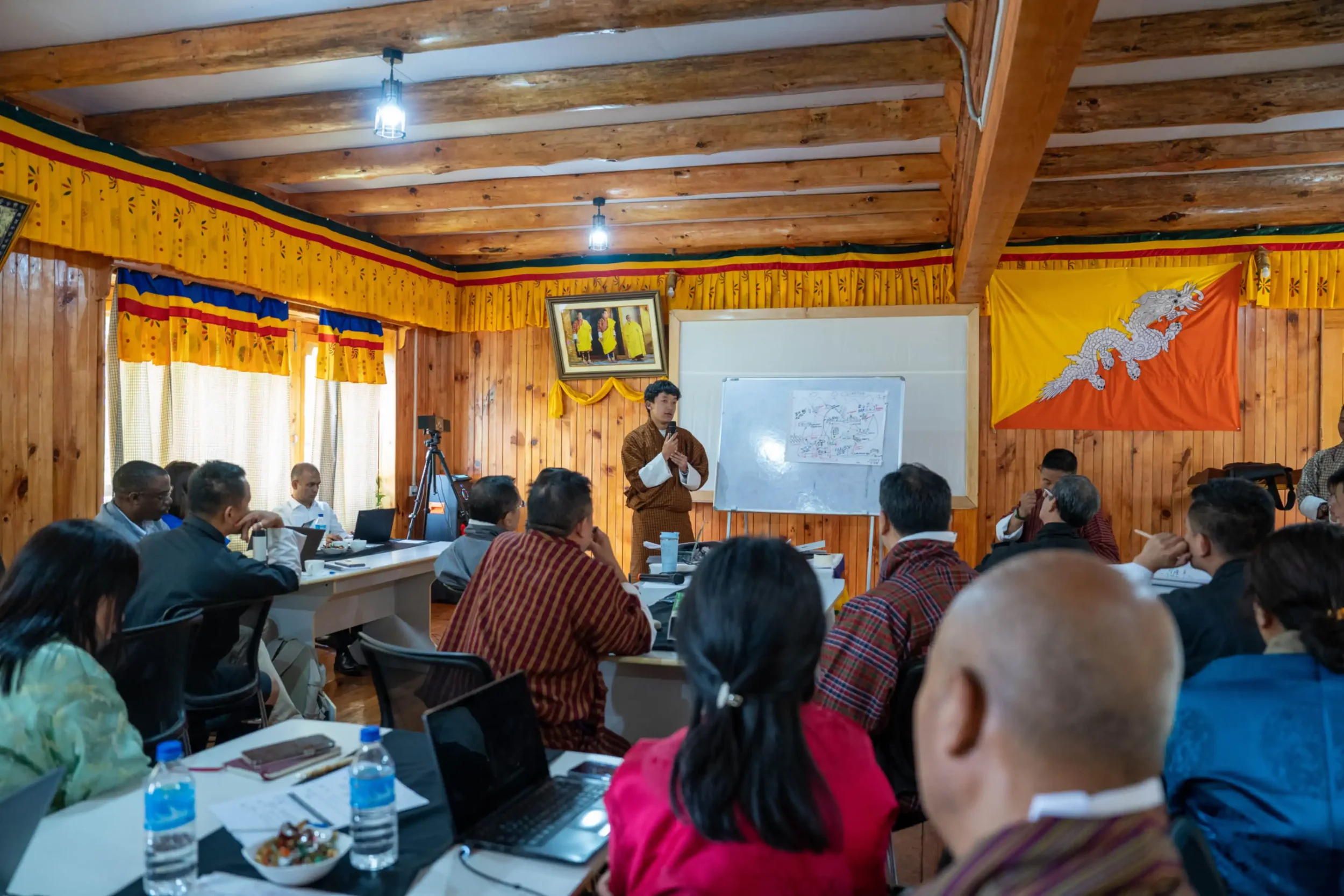
Workshop participants during the plenary presentation sessions
Six Districts, One Story
Each district began by drawing a "rich picture" of the relationship between people, animals, and nature. No two were alike. Some depicted forests and high-altitude rangelands, while others showed border towns, tourism hubs, or intensive farming landscapes. What stood out was not the variety of diseases discussed, but the recurring pattern beneath them. Participants repeatedly described landscapes under pressure: shrinking grazing areas, changing land use, expanding settlements, increasing mobility, and more frequent contact between wildlife, livestock, and people. Their stories suggested that outbreaks are rarely isolated events. Instead, they are symptoms of broader ecological and social changes that districts are experiencing every day.
What’s Next?
Three additional regional workshops are planned across Bhutan in 2026, following the same participatory model. Together, the findings from all four workshops - combined with a desk review and bilateral meetings - will inform Bhutan's 2–3-year N4H implementation project, which is expected to launch in 2027.
For a small country with an outsized stake in the health of its forests, farms, and wildlife, the Haa workshop offered a first hands-on look at what it means to plan for zoonotic risk before it becomes an outbreak - one rich picture, one district, one conversation at a time.
Bhutan Scoping Phase image gallery
*
Bhutan Scoping Phase image gallery *
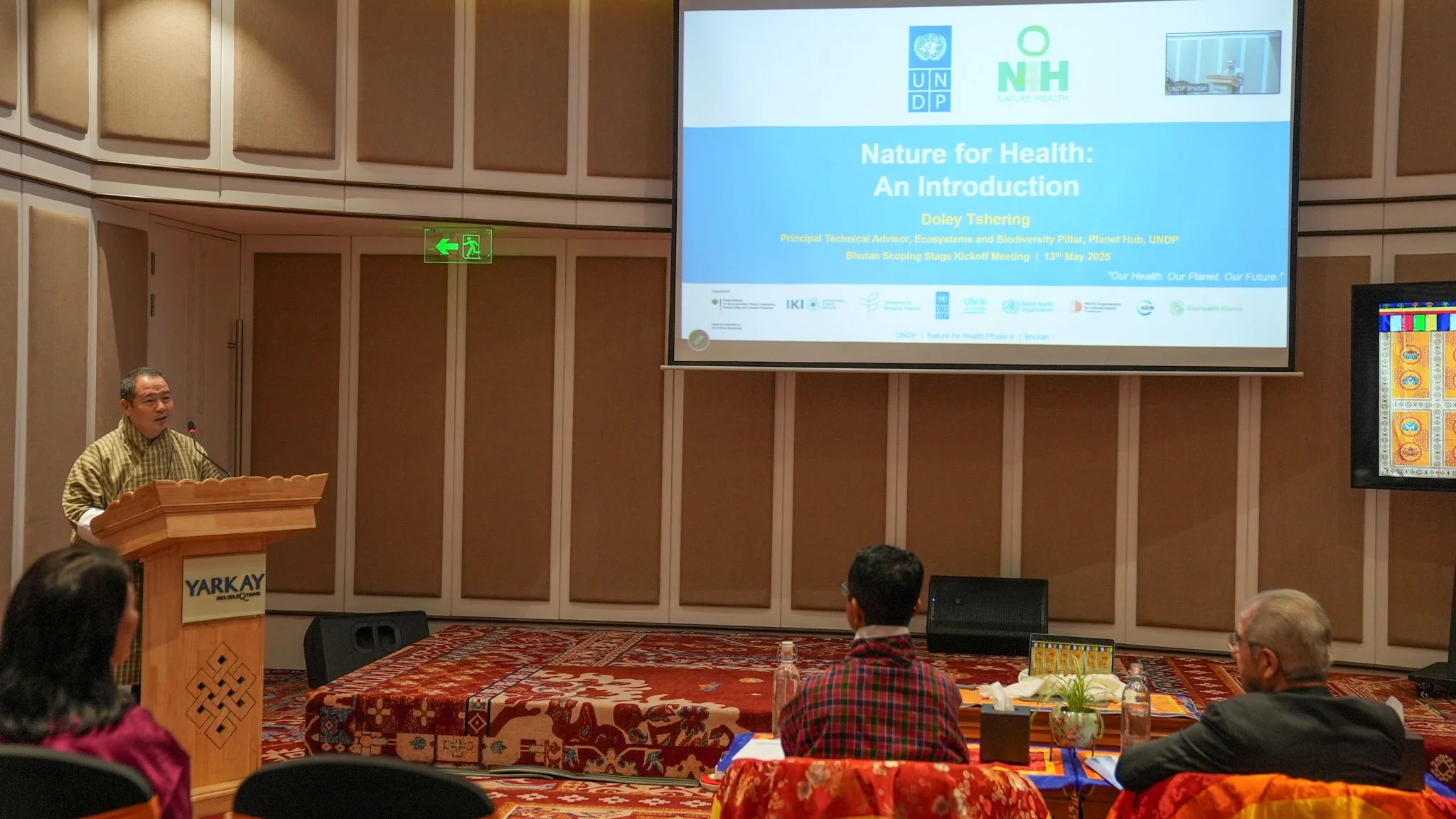
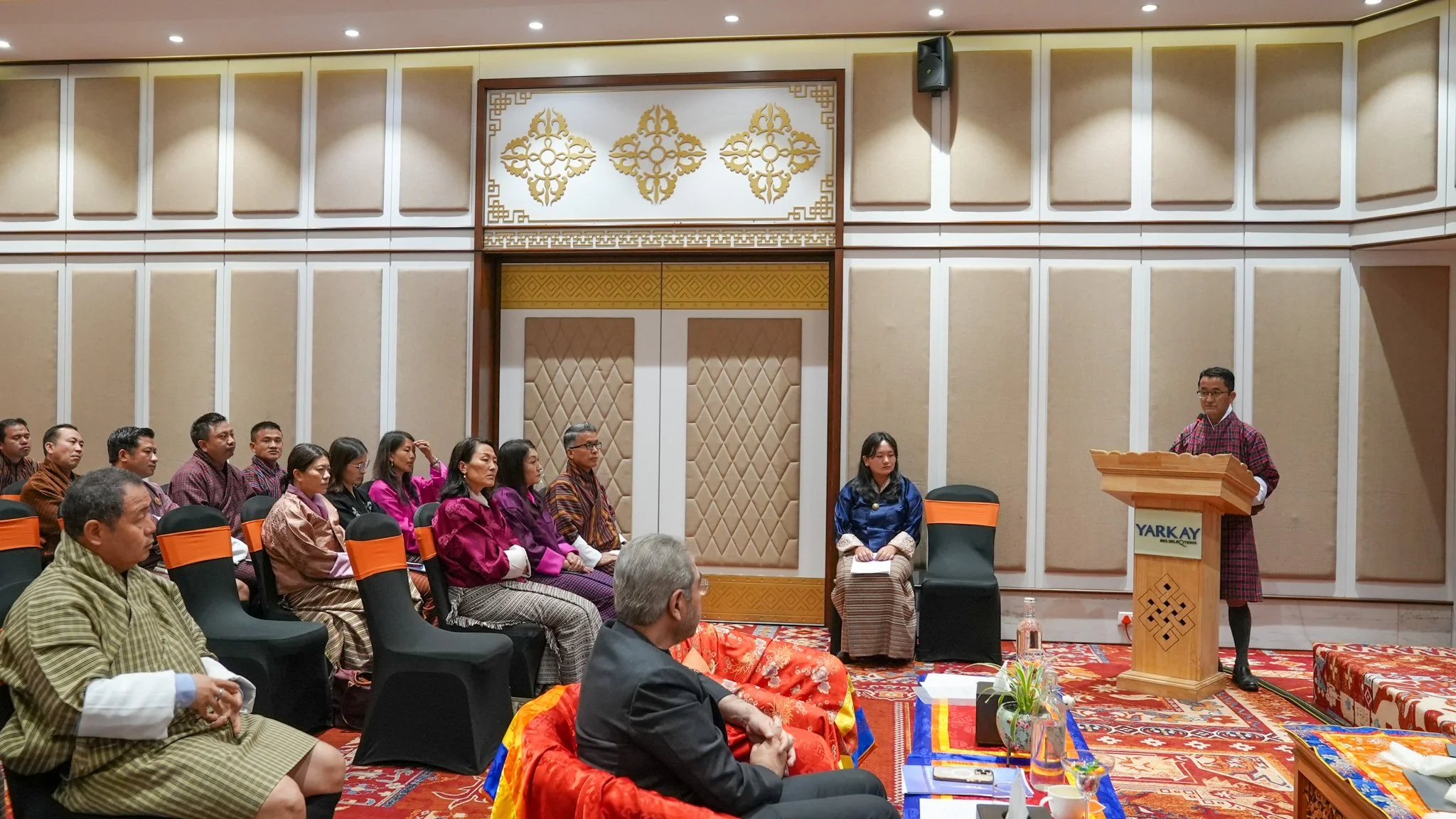
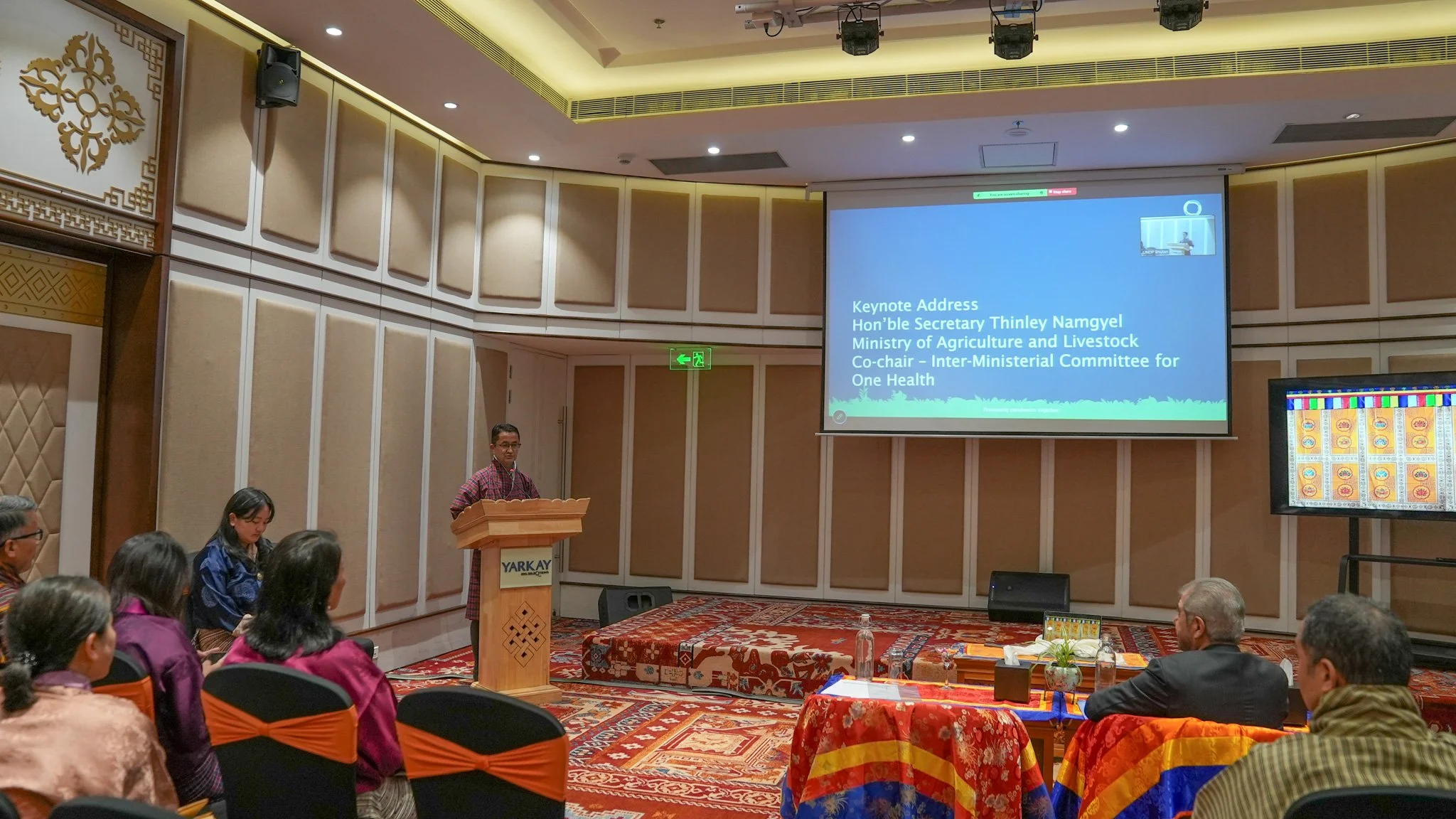
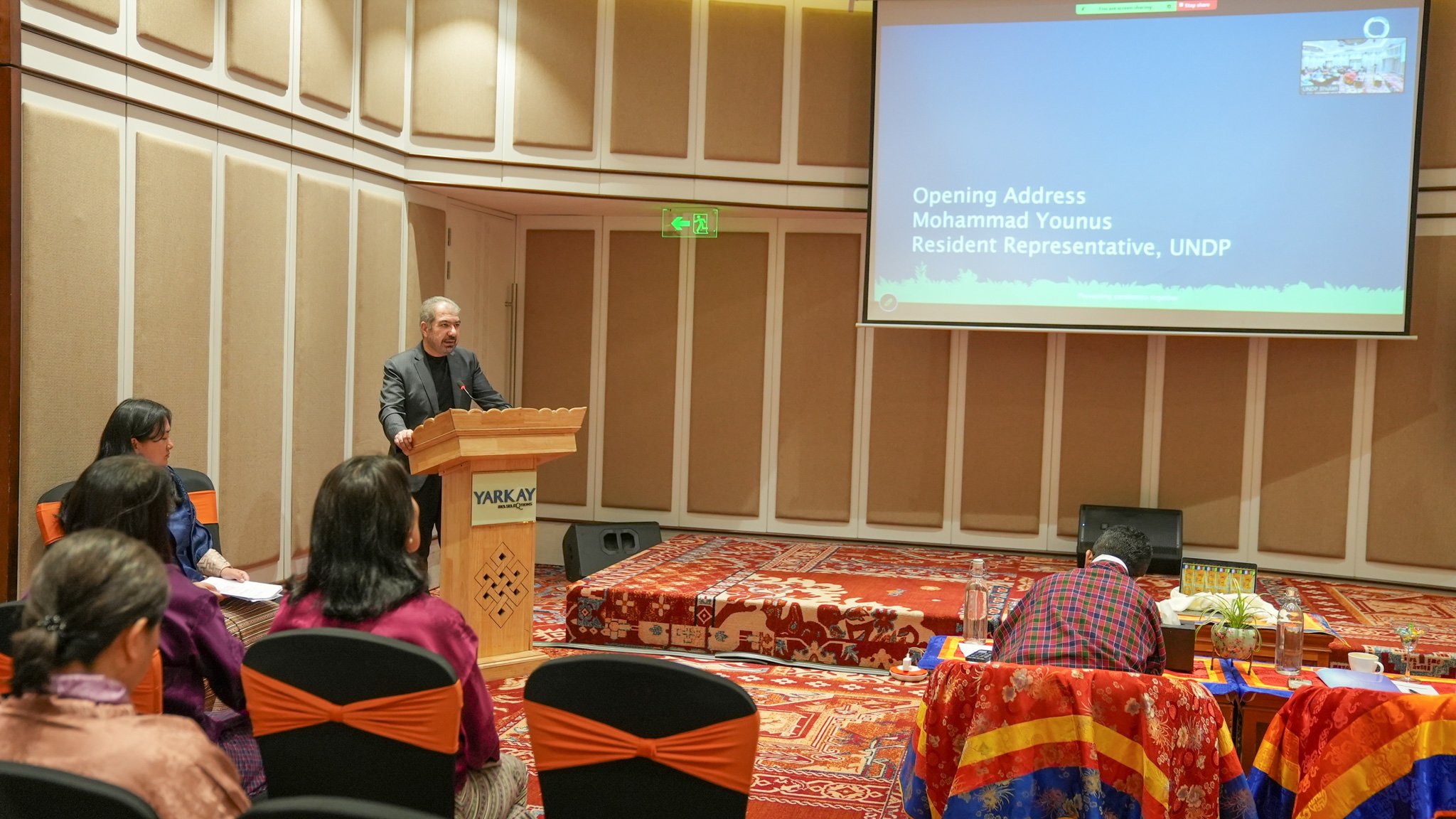
Bhutan Kickoff Meeting
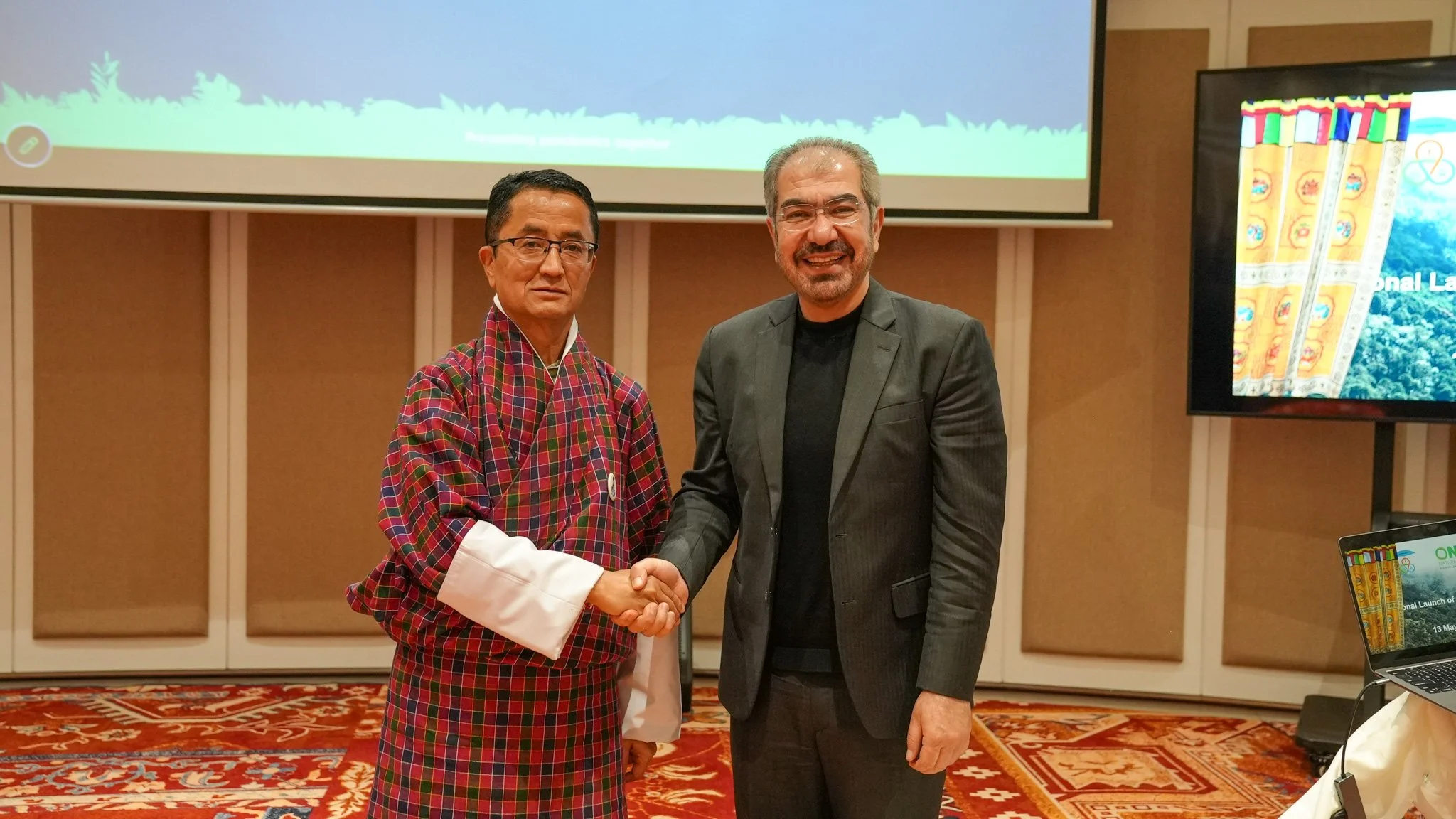
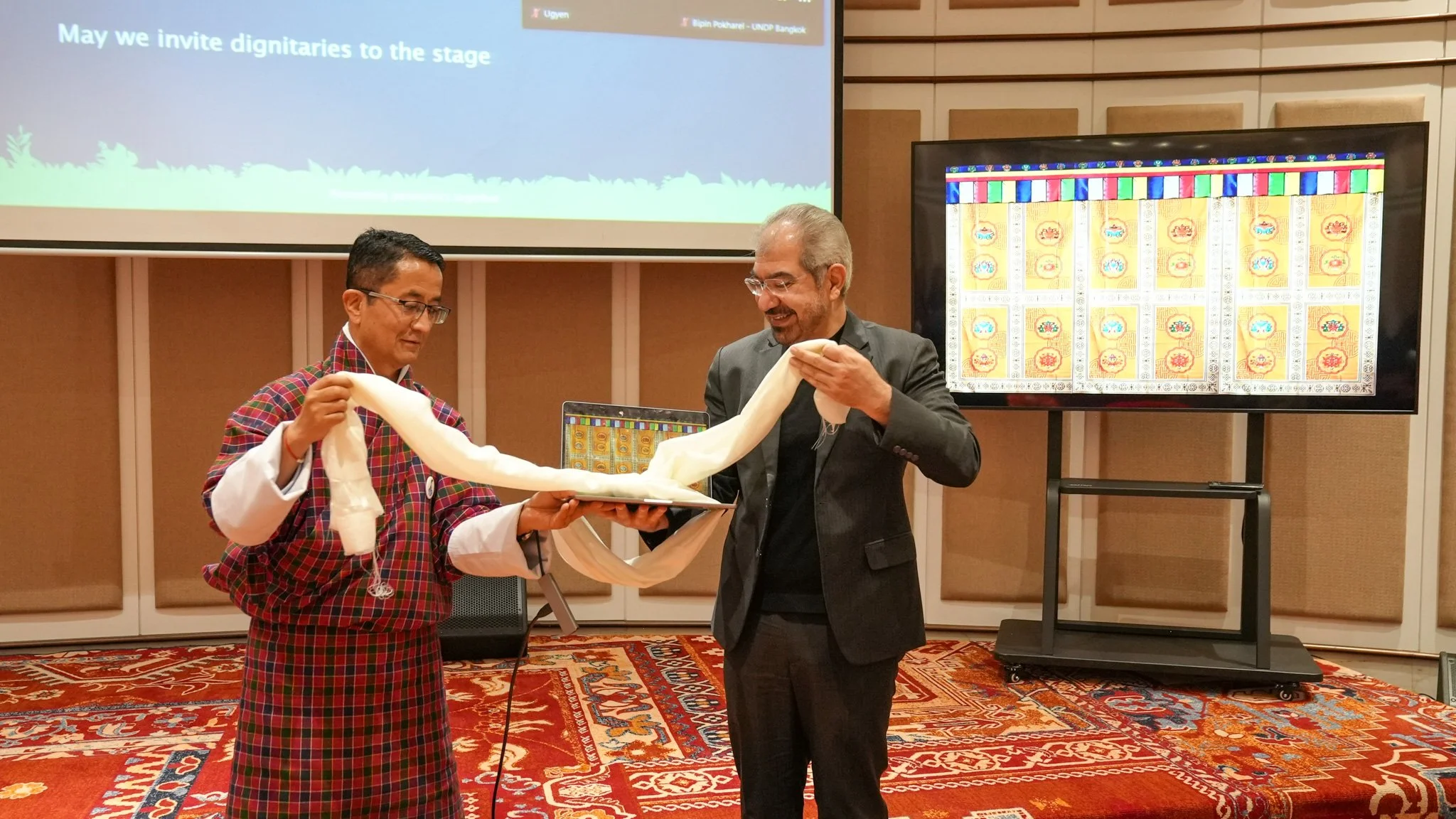
Bhutan, selected as one of six countries to participate in Phase II of the Nature4Health (N4H) initiative, officially kicked off its Scoping Stage on 13 May 2026. Led by the Ministry of Agriculture and Livestock, with support from the Ministry of Health, the Ministry of Energy and Natural Resources and the Ministry of Finance, Bhutan’s successful Expression of Interest is a recognition of Bhutan’s strong national commitment to advancing a One Health approach that recognises the inseparable links between people, animals, and ecosystems. The Inter-Ministerial Committee on One Health and the Bhutan One Health Secretariat, both formal mechanisms to coordinate broader One Health initiatives in Bhutan, have played a pivotal role in bringing this initiative to Bhutan by strengthening cross-sector collaboration.
Over the next nine months, the Core Team, comprising representatives from agriculture, livestock, public health, environment, forests, and wildlife sectors, will undertake a systemic inquiry via national consultations (4 regional workshops) covering all 20 districts of Bhutan, to develop a feasible, sustainable implementation project document grounded in Bhutan's national priorities and commitments in its 5th National Biodiversity Strategy and Action Plan.
The United Nations Development Programme (UNDP), as convening partner, will facilitate evidence-based design, strengthen cross-sector alignment, and bridge government, development partners, and financing streams to ensure N4H translates into actionable, scalable outcomes.
As Bhutan faces growing risks from zoonotic diseases, climate change, biodiversity loss, and intensifying human-wildlife interaction, N4H offers a critical platform to strengthen prevention and resilience. The Scoping Stage will focus on high-risk geographies and priority diseases while integrating biodiversity and ecosystem health into national health security planning—bringing together government agencies, communities, and development partners to co-design solutions that advance pandemic prevention, climate resilience, and human wellbeing as part of one shared future.
Quotes
“Nature-based prevention is not only an environmental priority — it is also a development priority. Investments in prevention strengthen resilience, improve livelihoods, support food security, and reinforce health systems while advancing climate and biodiversity goals.”
““(Today)… marks the beginning of a new chapter in Bhutan’s One Health journey — one that recognises that pandemic prevention, biodiversity conservation, climate resilience, and human wellbeing are not separate agendas, but part of the same shared future. With that, I wish the Core Team and all participants a productive, thoughtful, and collaborative process in the days ahead.””
Moments from the Meeting
*
Moments from the Meeting *