ANGOLA
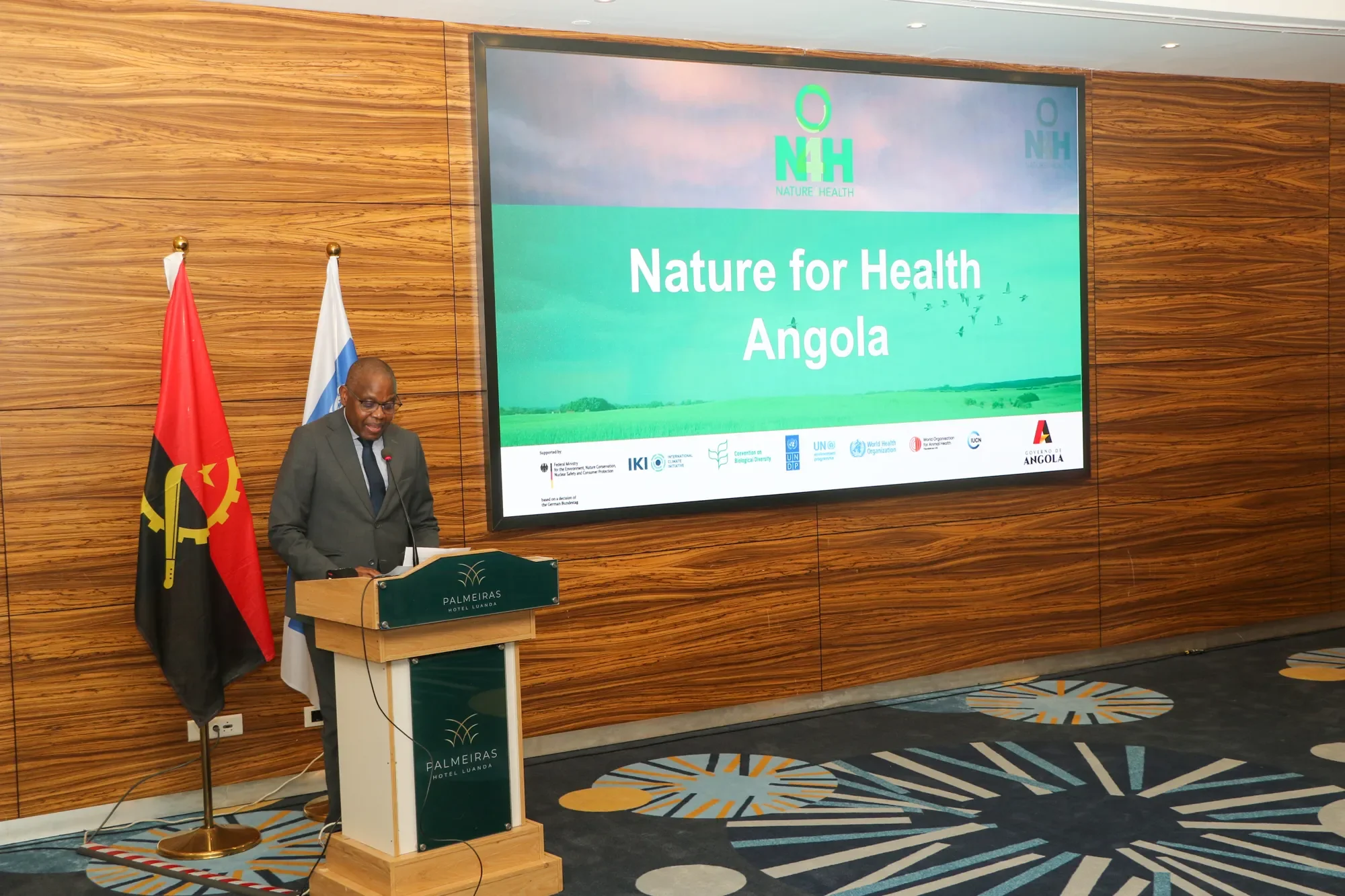
Nature4Health Angola Launch
Angola has formally opened the design phase of its Nature4Health (N4H) process, convened by the Government of Angola through the Ministry of Environment and supported by the United Nations Development Programme (UNDP).
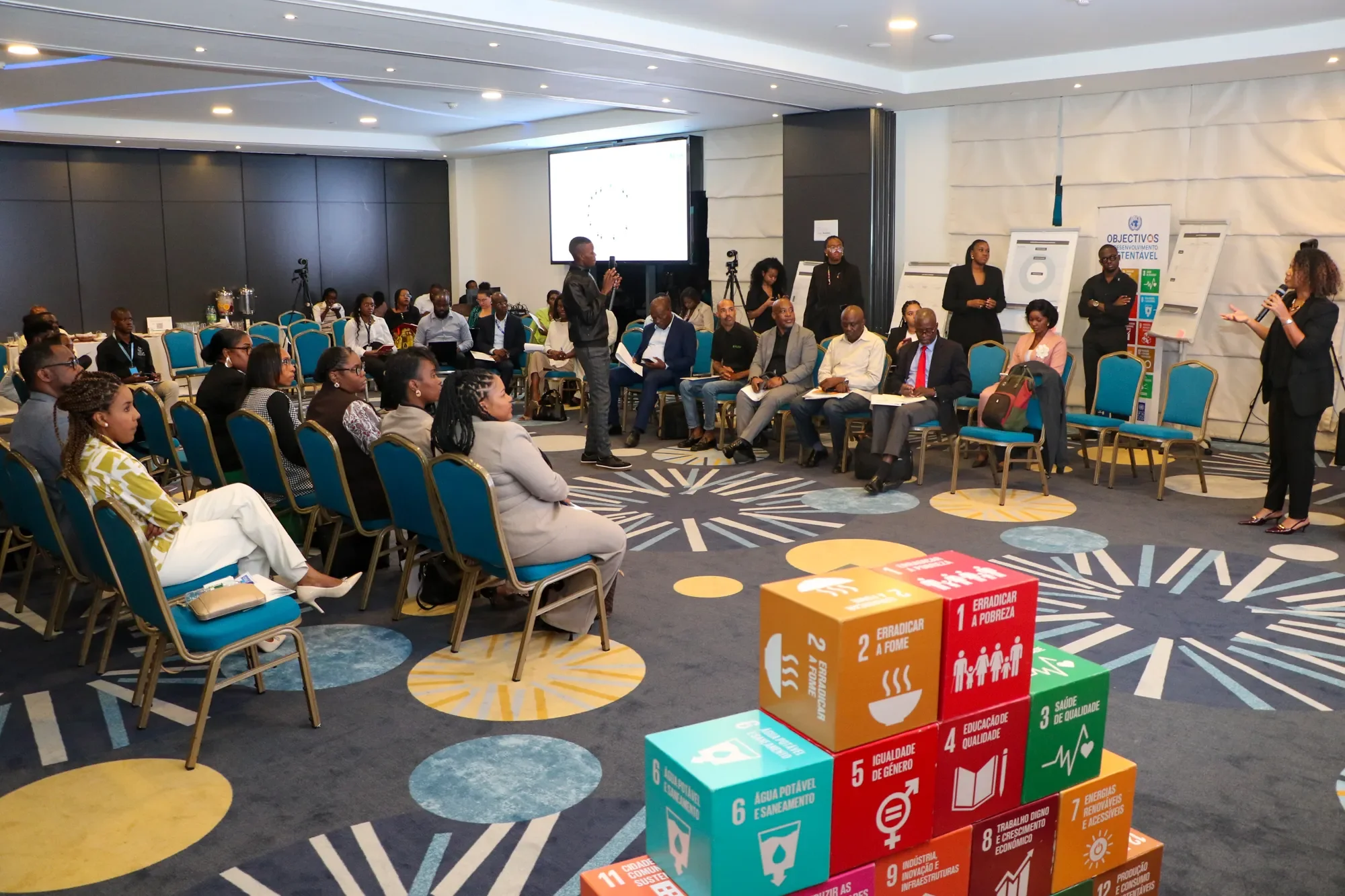
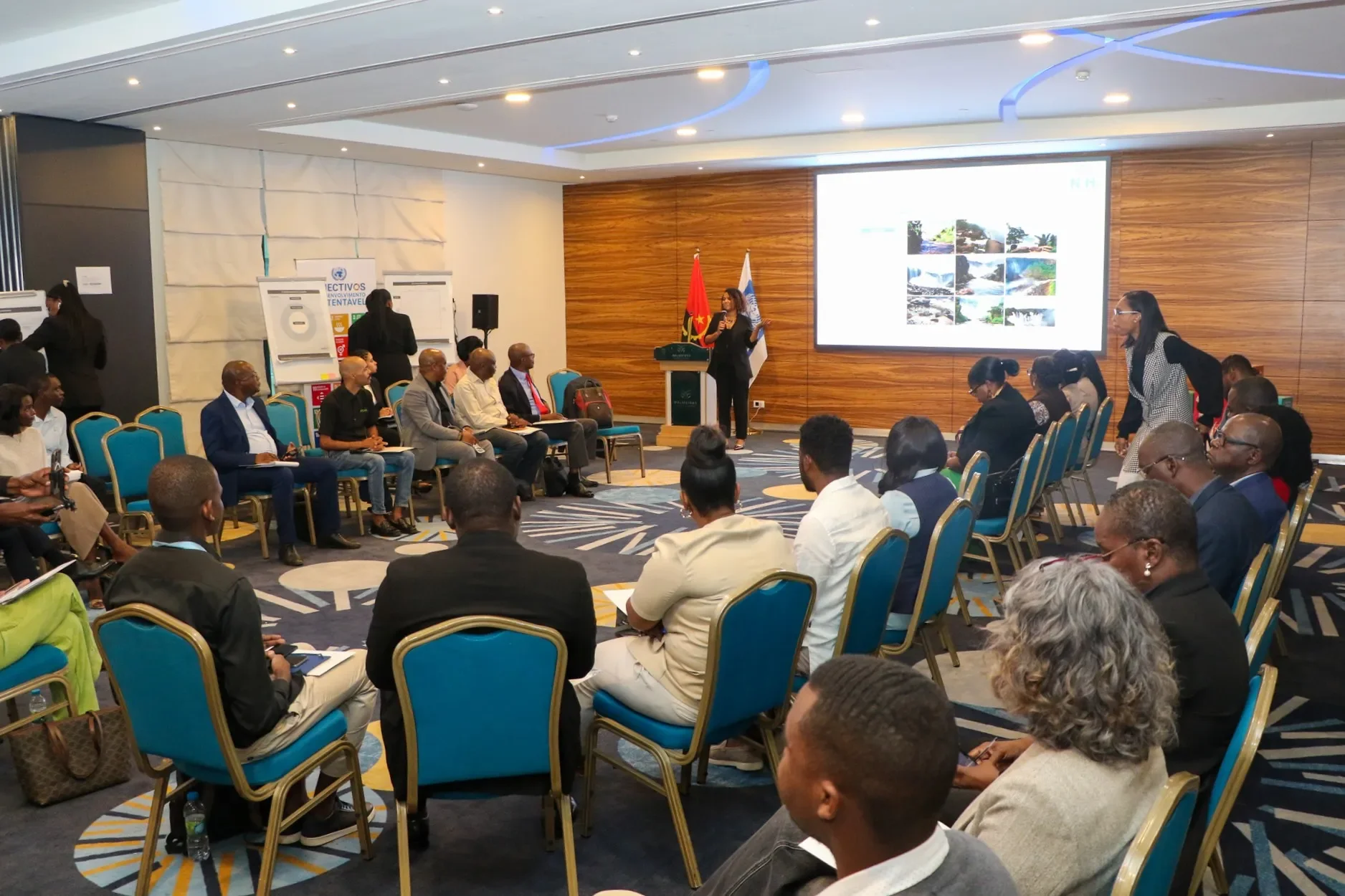
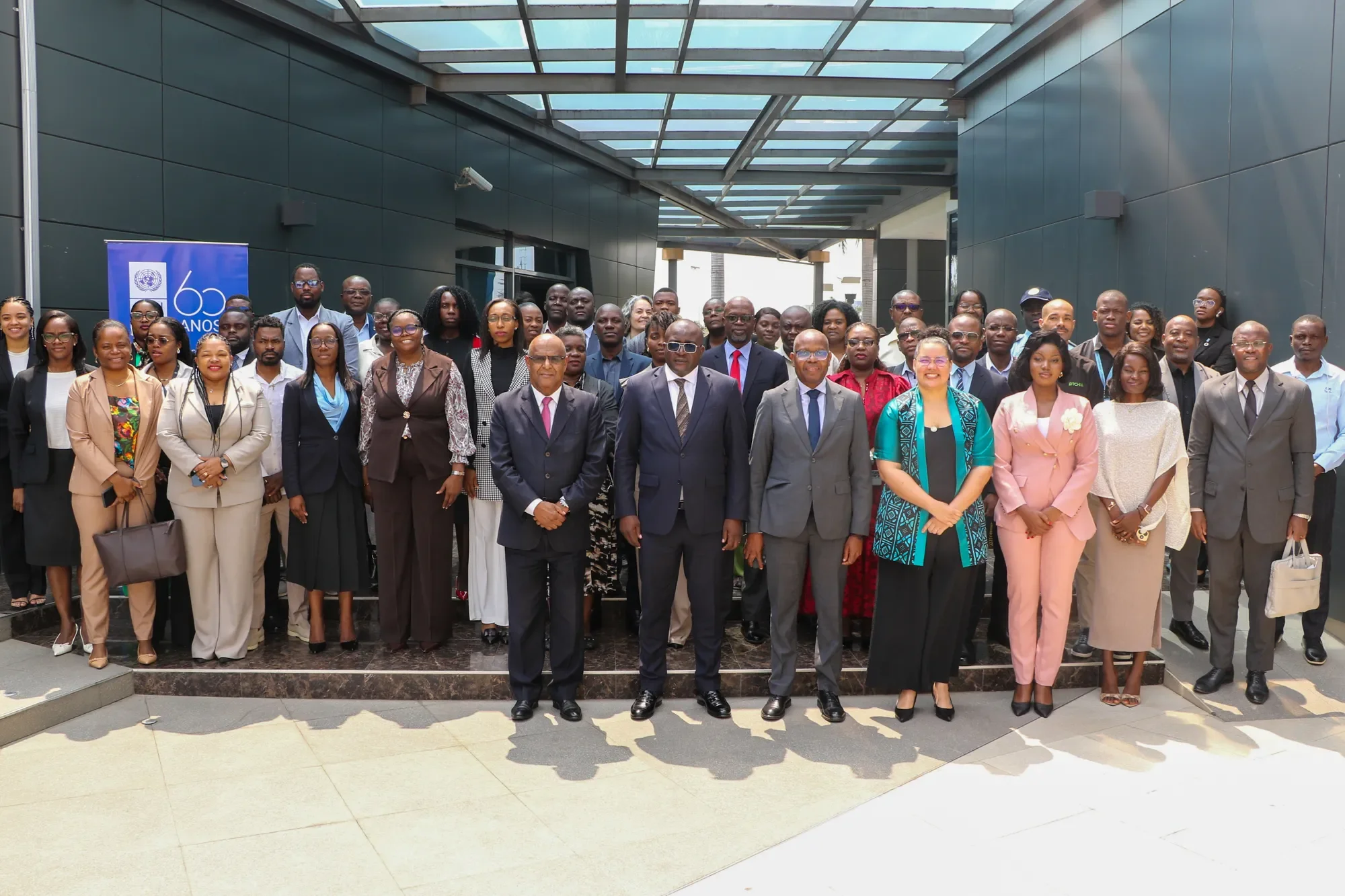
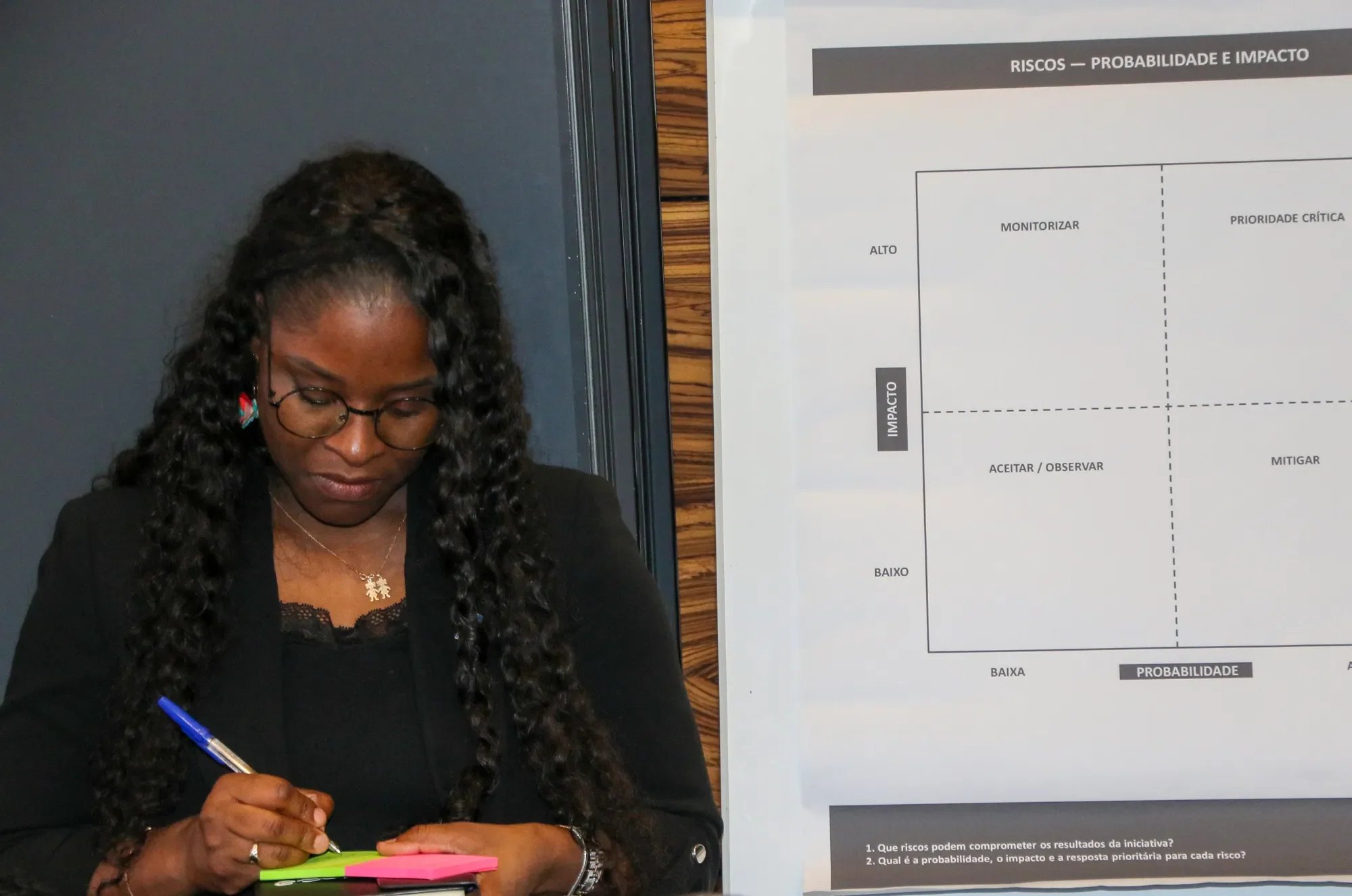
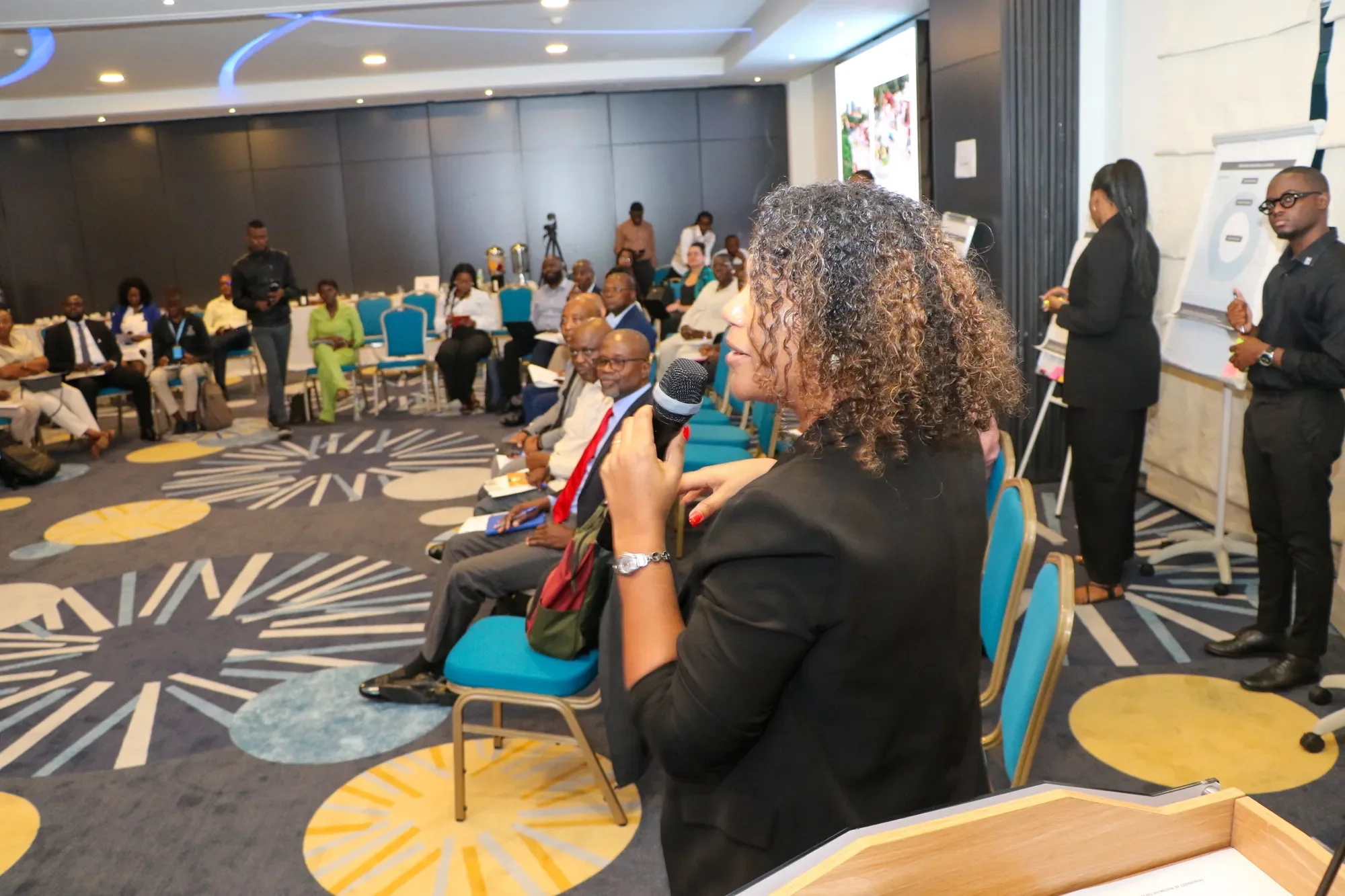
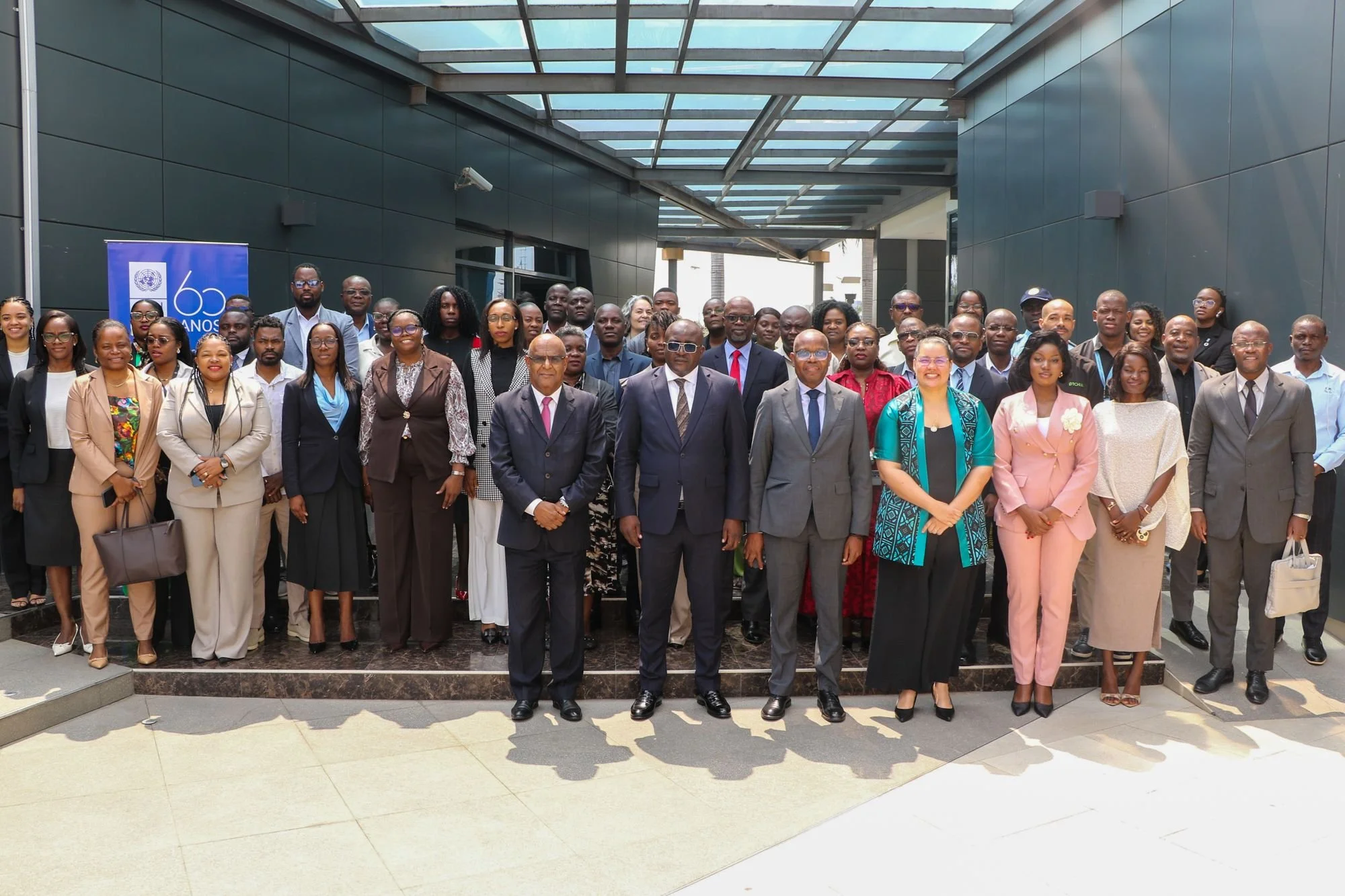
The launch workshop brought together the environment, health, and agriculture and forestry sectors, alongside technical institutions and partners, for an integrated approach to challenges that cut across the health of people, animals and ecosystems. In Angola, where natural resources underpin food security, water availability and millions of livelihoods, that connection carries particular weight.
UNDP Angola
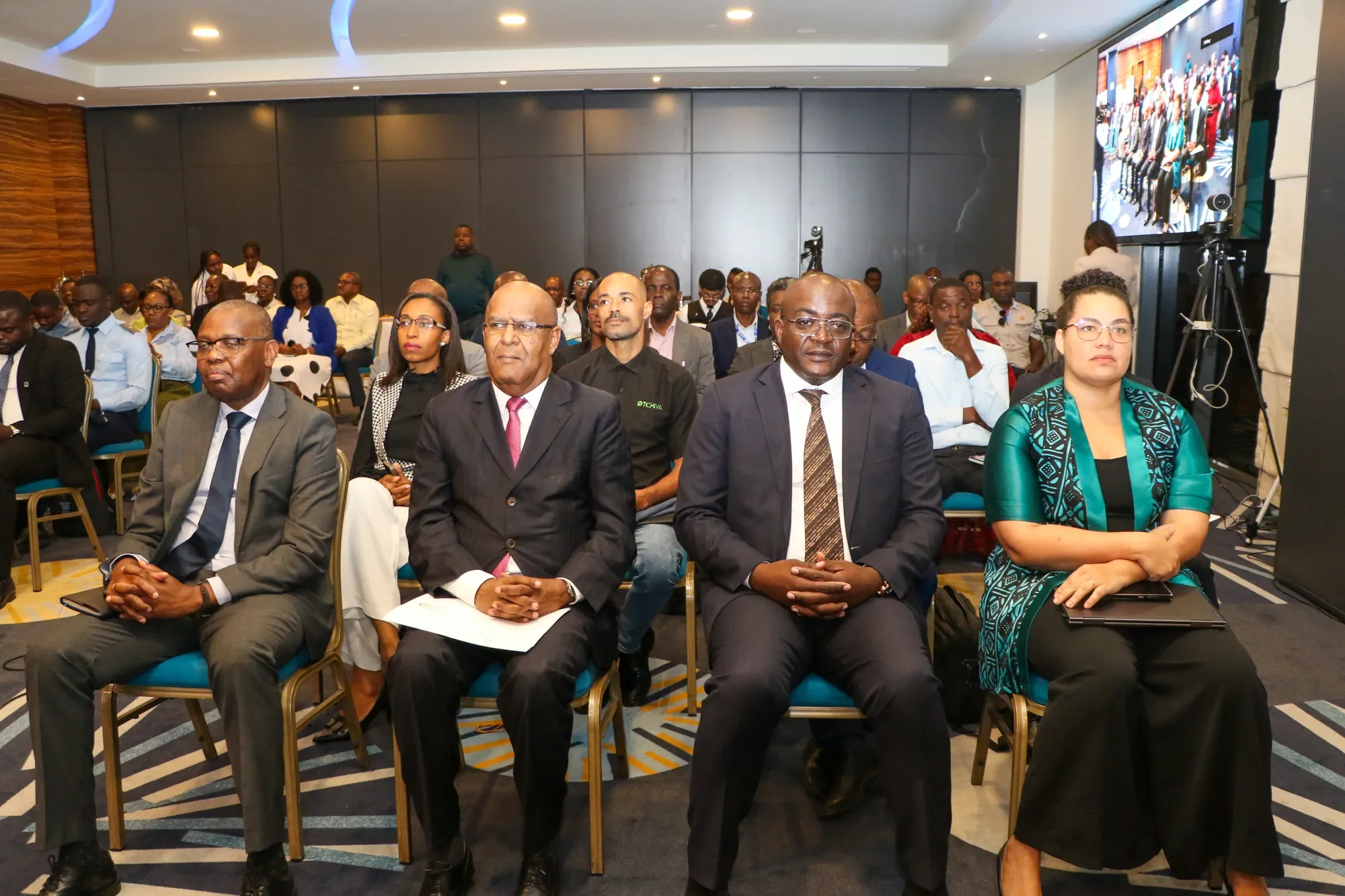
Opening the workshop, Secretary of State for Climate Action and Sustainable Development, Nascimento da Costa Soares made the case for building on what already exists rather than creating new machinery: strengthening links between current instruments, attracting investment, and shifting toward preventing risks that affect human, animal, and environmental health simultaneously. He pointed to the foundations already in place, including the National Development Plan 2023–2027, the National Biodiversity Strategy 2022–2035, Angola’s Nationally Determined Contributions, and the Biodiversity Action Plan 2026–2030.
Secretary of State for Public Health Dr Carlos Alberto Pinto de Sousa placed prevention at the centre of health security, noting that no sustainable public health exists without a sustainable environment. He set out where national capacity needs strengthening: prevention, early detection, surveillance, diagnosis, risk communication and rapid response, alongside improved data sharing between the human health, animal health and environmental sectors.
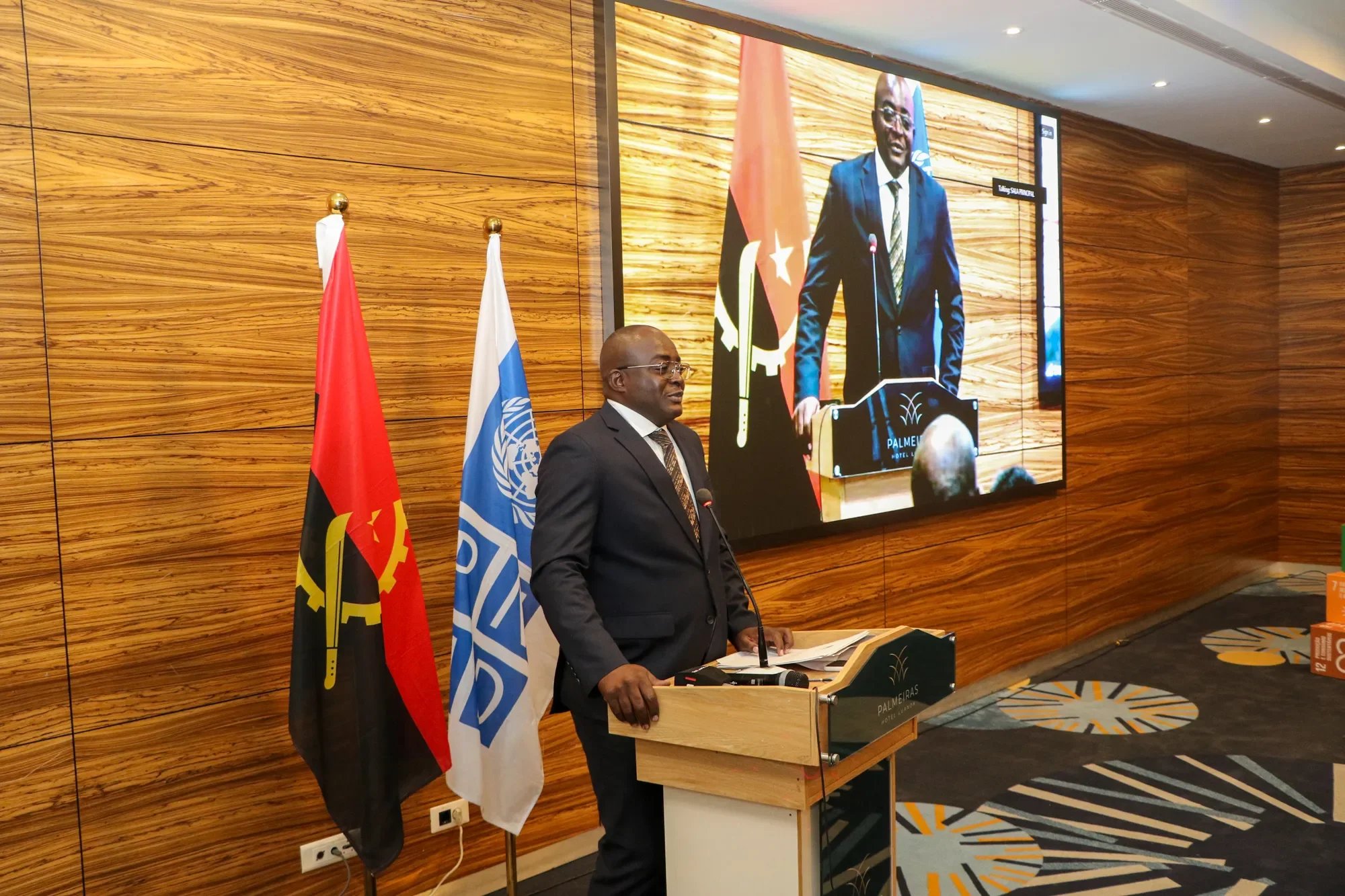
Gabriel Dava, UNDP Deputy Resident Representative in Angola, framed the design phase as an opportunity to translate existing scientific knowledge into practical prevention options and made the upstream logic explicit: prevention starts before an emergency, and understanding the environmental factors behind health risks enables earlier, better-coordinated responses.
The first stage of the work will examine the biodiversity and ecosystem factors that shape the risk of disease transmission between animals and people, the interfaces between wildlife, domestic animals and human populations, changes in land use, and mounting pressures on ecosystems. Stakeholder consultations and analysis of subnational contexts will follow, drawing on the knowledge of communities and local authorities.
The phase is expected to conclude with an Implementation Project Document that sets out priorities, results, activities, governance arrangements, budget, and work plan for a possible implementation phase.
With this launch, Angola joins the countries participating in the Nature4Health initiative, which aims to reduce health risks by addressing environmental determinants and strengthening the environmental and preventive dimensions of One Health.
Eight partners support N4H: the German Federal Ministry for the Environment, Nature Conservation, Nuclear Safety and Consumer Protection; the Convention on Biological Diversity; UNDP; UNEP; WHO; the World Organisation for Animal Health; IUCN; and EcoHealth Alliance.