
Uzbekistan
Scoping Phase Meeting
Nature4Health (N4H) officially launched its Scoping Phase in Uzbekistan yesterday at the EcoExpo Stage in Samarkand, marking the start of a participatory process to strengthen preventative One Health approaches in the country.
The high-level launch brought together national government representatives, international partners, and technical experts to formally initiate the scoping process, which is convened by IUCN following an Expression of Interest submitted by Uzbekistan’s Ministry of Ecology, Environmental Protection and Climate Change.
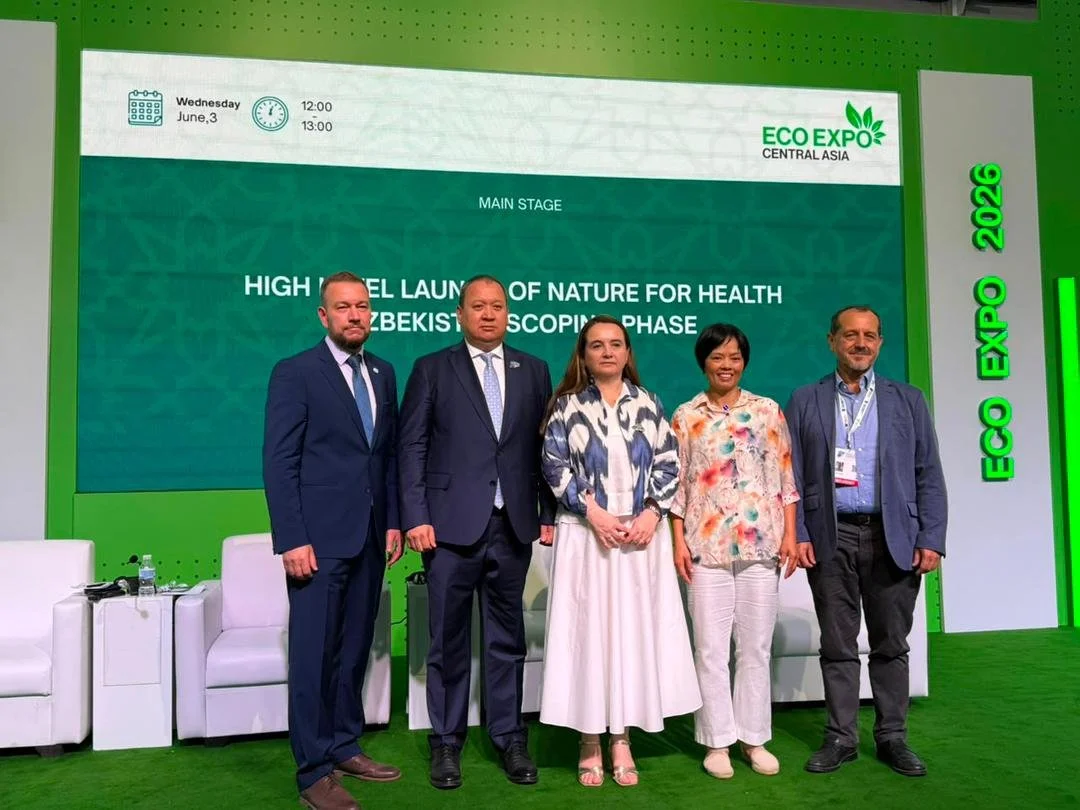
Photo Credits: IUCN
Why Uzbekistan?
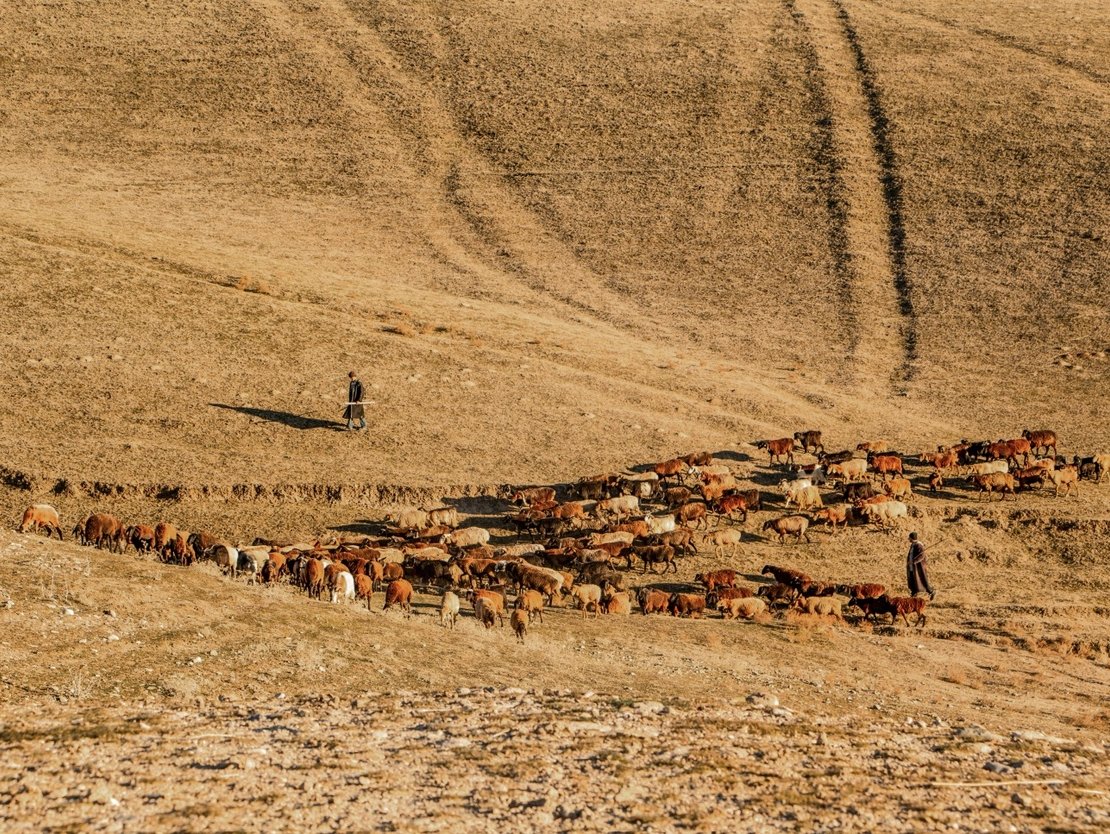
Uzbekistan faces compounding environmental pressures, desertification, biodiversity loss, climate-driven water scarcity, and expanding human-wildlife interfaces, that increase the risk of zoonotic spillover. The scoping phase will focus on the Karakalpakstan region, among the most ecologically vulnerable areas in Central Asia, heavily shaped by the long-term consequences of the Aral Sea crisis. In this context, ecological degradation, changing land use, and growing human–livestock–wildlife interactions underline the urgent need for preventive approaches that connect ecosystem, animal and human health.
What the Scoping Phase will do
Speaking at the launch, Julian Blanc, Head of UNEP’s Biodiversity and Land Branch, highlighted the importance of nature-based approaches in reducing the risk of zoonotic spillover at source, cluding land-use policy, habitat preservation and restoration, wildlife trade regulation, and the strengthening of environmental dimensions of One Health.
Dao Nguyen of IUCN, who is coordinating the Scoping Phase, outlined the key activities ahead:
Establishing a multisectoral Working Group
Conducting stakeholder consultations and workshops
Undertaking systems mapping and risk assessments
Carrying out field visits in Karakalpakstan
Identifying policy, institutional, and data gaps
Developing an Implementation Project Document (IPD)
The IPD will set out priorities and activities across N4H’s four outcome areas: Assess, Build, Enable, and Sustain, providing a roadmap for locally designed actions that reduce the risk of zoonotic spillover through preventive One Health approaches.
The scoping process is guided by N4H’s systemic practice approach, bringing together government, health, veterinary, environment and community stakeholders to co-create solutions grounded in Uzbekistan’s specific context.
Building on national momentum
The launch builds on Uzbekistan’s existing One Health coordination mechanisms, zoonotic disease prioritisation efforts, and draft national strategies developed in collaboration with international partners. By bringing together government institutions, conservation experts, the health and veterinary sectors, local stakeholders, and international partners, the N4H Scoping Phase will help build a stronger foundation for preventive, nature-based, and cross-sectoral action.